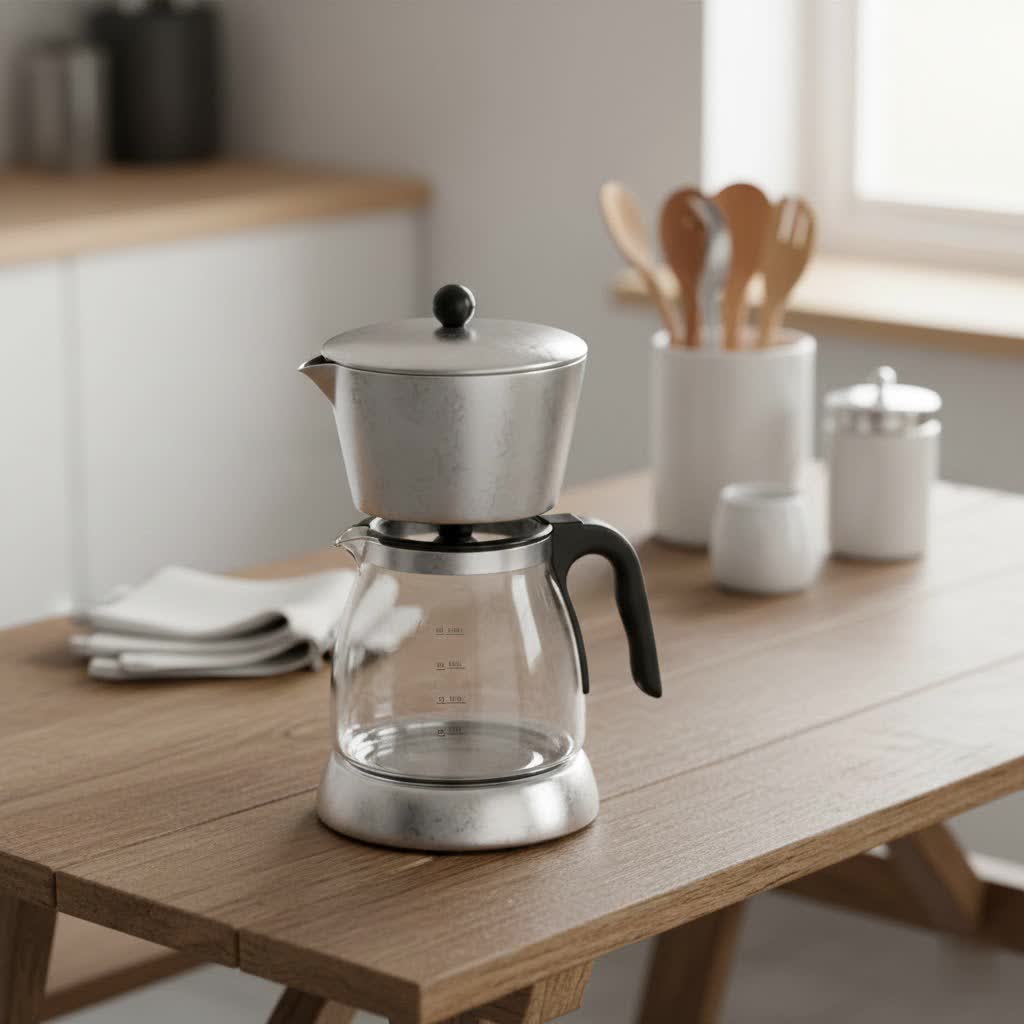
Are you a coffee connoisseur seeking a durable, elegant, and high-performing brewing companion? Or perhaps you’re simply tired of flimsy plastic and searching for a more robust option for your daily brew? Stainless steel coffee makers offer a compelling solution, combining timeless aesthetics with exceptional durability and often, a superior brewing experience. They address common concerns about plastic leaching and offer a clean, untainted flavor profile for your beloved coffee. This comprehensive guide will walk you through everything you need to know about stainless steel coffee makers, from their diverse types and essential buying considerations to top recommendations and crucial maintenance tips, ensuring you find the perfect machine to improve your daily coffee ritual.
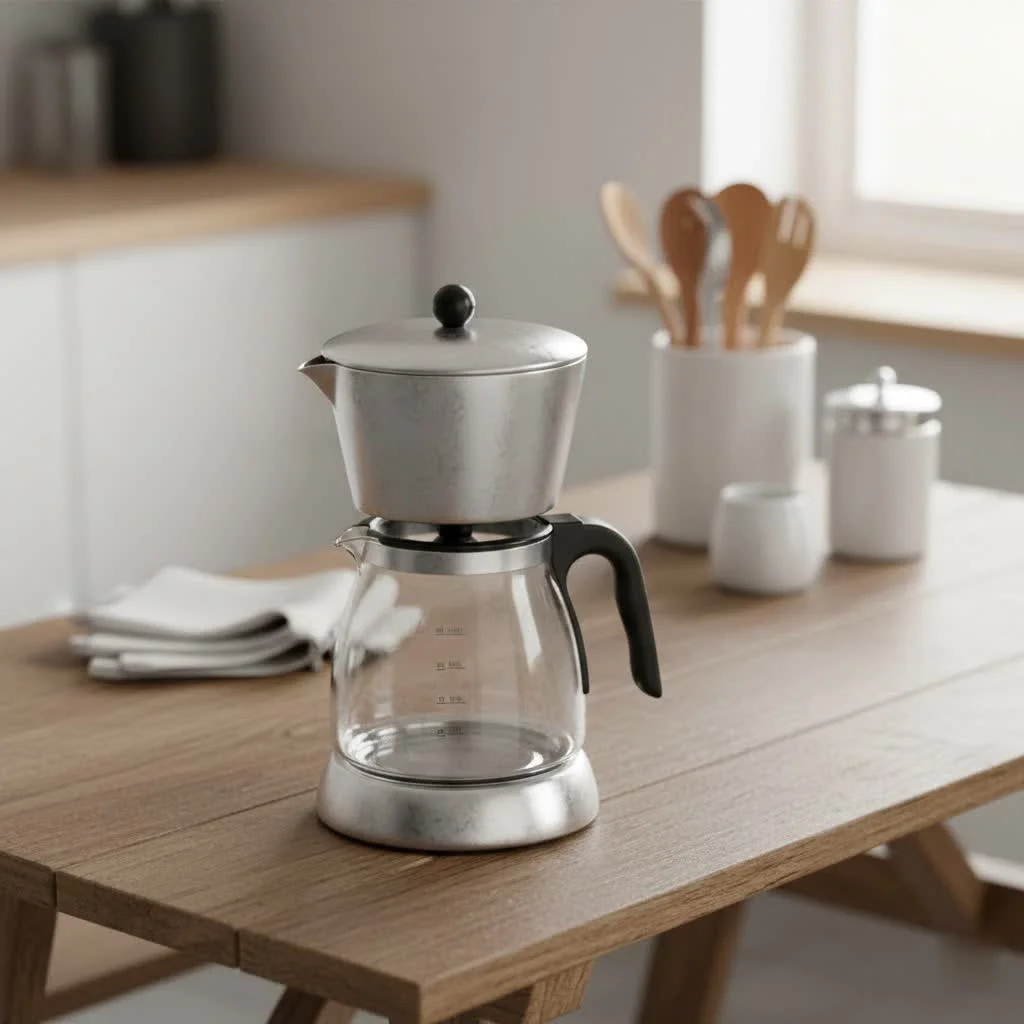
Overview of Stainless Steel Coffee Makers
A coffee maker, at its core, is a device designed to brew coffee. While the fundamental purpose remains constant, the materials and methods employed can significantly impact the final cup. Stainless steel coffee makers are distinguished by their primary construction material: stainless steel. This popular alloy of iron, carbon, and chromium is celebrated for its strength, corrosion resistance, and sleek appearance, making it an ideal choice for kitchen appliances.
The history of coffee makers is as rich and varied as coffee itself. Early methods involved simply boiling ground coffee in water. The 19th century saw the invention of various devices like the percolator and French press, many of which originally featured or later adopted stainless steel components for improved longevity and performance. As coffee culture evolved, so did the technology, leading to the sophisticated drip machines and espresso makers we see today, with stainless steel remaining a staple material for its reliability.
Today, the market offers an impressive array of stainless steel coffee makers, each catering to different brewing preferences and lifestyles:
- Drip Coffee Makers: These are the most common type, automatically brewing coffee by dripping hot water over ground beans. Many feature stainless steel carafes or accents for durability and temperature retention.
- Espresso Machines: Ranging from semi-automatic to super-automatic, many high-quality espresso machines utilize stainless steel for their boilers, portafilters, and outer casings, ensuring longevity and consistent temperature control.
- French Presses: A classic immersion brewer, stainless steel French presses are highly popular for their exceptional durability and heat retention, often outperforming glass versions.
- Percolators: These nostalgic brewers cycle boiling water through coffee grounds repeatedly until desired strength is achieved. Stainless steel percolators are prized for their robustness and ability to withstand high heat.
- Pour-Over Coffee Makers: While often featuring glass drippers, many pour-over kettles and carafes are made from stainless steel, valued for precise temperature control and heat retention.
Factors to Consider When Buying a Stainless Steel Coffee Maker (Buying Guide)
Choosing the right stainless steel coffee maker involves more than just picking the first shiny model you see. Several key factors should guide your decision to ensure the machine meets your specific needs and brewing preferences.
Type of Coffee Maker
|
Our Picks for the Best Coffee Maker in 2026
As an Amazon Associate I earn from qualifying purchases.
|
||
| Num | Product | Action |
|---|---|---|
| 1 | Keurig K-Classic Single Serve K-Cup Pod Coffee Maker, Rhubarb |

|
| 2 | 500ml Coffee Decanter Glass Drip Coffee Maker with Reusable Stainless Steel Filter and Grip for Home or Office |
|
| 3 | BLACK+DECKER 12-Cup Digital Coffee Maker, Programmable, Washable Basket Filter, Sneak-A-Cup, Auto Brew, Water Window, Keep Hot Plate, Black |
|
| 4 | ALPHA LIVING 100 Cups Electric Coffee Urn – Stainless Steel Large Capacity Electric Kettle Percolator Coffee Pot – Ideal Hot Beverage Dispenser for Catering, Hotels, Restaurants –Leak-Proof Tap |
|
| 5 | Hamilton Beach 2-Way Programmable Coffee Maker, 12 Cup Glass Carafe And Single Serve Coffee Maker, White with Stainless Steel Accents, 49933 |
|
| 6 | Hamilton Beach 2-Way Programmable Coffee Maker, 12 Cup Glass Carafe And Single Serve Coffee Maker, Black with Stainless Steel Accents, 49980RG |
|
| 7 | Ninja 12-Cup Programmable Coffee Brewer, 2 Brew Styles, Adjustable Warm Plate, 60oz Water Reservoir, Delay Brew - Black/Stainless Steel |
|
| 8 | Keurig K-Classic Single Serve K-Cup Pod Coffee Maker, with 3 Brew Sizes, 48oz Removable Reservoir, Black |
|
| 9 | Keurig K-Express Single Serve Coffee Maker – Strong Brew Option, 42oz Reservoir, Sleek Design for Holiday Hosting & Gifting, Black |
|
| 10 | BLACK+DECKER CM1160W-1 CM1160W 12-Cup Programmable Coffeemaker, White/Stainless Steel |
|
The type of coffee maker you choose is paramount, as it dictates the brewing method and the kind of coffee experience you’ll have.
- Drip Coffee Makers: Pros: Easy to use, great for brewing large batches, hands-off operation. Cons: Can lack flavor depth compared to other methods, temperature control can be inconsistent in cheaper models. Best for: Busy households, those who prefer a standard cup of coffee, entertaining.
- Espresso Machines: Pros: Produces rich, concentrated espresso shots, allows for milk-based drinks (lattes, cappuccinos), sophisticated brewing. Cons: Can be expensive, requires a learning curve, more maintenance. Best for: Espresso lovers, those who enjoy crafting specialty coffee drinks.
- French Presses: Pros: Full-bodied flavor, portable, no paper filters needed (eco-friendly), simple operation. Cons: Coffee grounds can settle in your cup, brewing process requires attention. Best for: Flavor enthusiasts, manual brewing fans, camping.
- Percolators: Pros: Robust flavor, durable, ideal for large gatherings, often stovetop compatible. Cons: Can over-extract coffee if not monitored, some find the flavor too strong. Best for: Traditionalists, large families, outdoor use.
- Pour-Over Coffee Makers: Pros: Exceptional control over brewing variables, clean and nuanced flavor, aesthetically pleasing. Cons: Requires technique and patience, manual process. Best for: Coffee aficionados, those who appreciate a delicate, clear cup.
> “The material of your coffee maker, especially stainless steel, plays a critical role not just in durability, but in maintaining the pure flavor profile of your beans. It prevents unwanted chemical leaching, ensuring every cup tastes exactly as it should.” – Dr. Eleanor Vance, Coffee Science Specialist
Capacity
Consider how much coffee you typically need to brew at once.
- Small (1-4 cups): Ideal for single individuals or couples who only drink one or two cups a day. These are often compact and space-saving.
- Medium (8-12 cups): The most common size for drip coffee makers, suitable for families or small offices.
- Large (14+ cups): Perfect for entertaining, large households, or commercial settings where significant volumes of coffee are needed.
Matching the capacity to your consumption prevents waste and ensures fresh coffee.
Features
Modern coffee makers come with a many features that can enhance convenience and performance. Evaluate which ones are truly necessary for you.
- Programmable Timer: Allows you to set the machine to brew at a specific time, so you wake up to fresh coffee.
- Auto Shut-Off: A safety feature that turns off the machine after a period of inactivity, saving energy and preventing overheating.
- Brew Strength Control: Lets you adjust the intensity of your coffee, from mild to bold.
- Keep Warm Function: Maintains coffee temperature in the carafe for a set period.
- Built-in Grinder: Grinds whole beans just before brewing, offering the freshest possible coffee.
- Water Filter: Improves coffee taste by removing impurities from tap water.
- Milk Frother (for espresso machines): Essential for making lattes, cappuccinos, and other milk-based drinks.
- Showerhead Design: Distributes water evenly over coffee grounds for optimal extraction.
Brand and Price
The coffee maker market is diverse, with brands ranging from budget-friendly to high-end luxury.
- Reputable Brands: Look for brands with a strong reputation for quality and customer service, such as Breville, Cuisinart, Capresso, Technivorm, and Zojirushi for drip, or Gaggia, Rancilio, and De’Longhi for espresso. Researching user reviews and expert ratings is crucial.
- Price Range: Stainless steel coffee makers vary significantly in price. Basic drip models might start around $50-$100, while high-end espresso machines can run into thousands. Determine your budget and look for the best value within that range, considering features and expected lifespan. Investing a bit more often leads to better durability and performance in the long run.
Ease of Use and Cleaning
A coffee maker, no matter how advanced, should be straightforward to operate and maintain.
- User Interface: Look for clear controls, intuitive buttons, and easy-to-read displays.
- Filling Water and Coffee: Ensure the water reservoir is easy to access and fill without spills. Coffee baskets should be simple to load and remove.
- Cleaning: Stainless steel is generally easy to clean, but look for models with removable, dishwasher-safe parts. Descaling should be a simple process, often involving just a vinegar solution or specialized descaling tablets. Complex parts or narrow crevices can make cleaning a chore.
Comparison of Popular Stainless Steel Coffee Maker Types
To help you visualize the differences, here’s a detailed comparison of common stainless steel coffee maker types:
| Feature | Drip Coffee Maker | Espresso Machine (Semi-Auto) | French Press (Stainless Steel) | Percolator (Stainless Steel) | Pour-Over (Stainless Steel Kettle/Carafe) |
|---|---|---|---|---|---|
| Price Range | $50 – $300 | $300 – $1,500+ | $30 – $100 | $40 – $150 | $50 – $200 (kettle + dripper) |
| Flavor Profile | Balanced, medium-bodied | Rich, concentrated, bold | Full-bodied, robust, sediment | Strong, intense, sometimes bitter | Clean, nuanced, aromatic |
| Ease of Use | Very easy, automatic | Moderate to High, hands-on | Easy, manual | Moderate, requires monitoring | High, requires technique |
| Features | Timer, auto-off, strength | Frother, PID, pressure gauge | Simple, durable | Stovetop/electric, durable | Gooseneck spout, thermometer |
| Maintenance | Regular descaling, carafe | Daily cleaning, backflushing | Rinse after use | Descale, clean basket | Descale kettle, clean dripper |
| Durability | Good (especially with SS carafe) | High, built to last | Excellent, nearly indestructible | Excellent, very robust | High for kettle, dripper can vary |
| Best For | Daily convenience, groups | Espresso shots, milk drinks | Bold coffee, manual brewing | Traditionalists, large batches | Craft coffee, precision brewing |
Top Picks: Best Stainless Steel Coffee Makers Currently
Based on market analysis, consumer reviews, and expert ratings, here are a few top-performing stainless steel coffee makers that stand out in their respective categories.
1. Cuisinart DCC-3400P1 Perfectemp Coffee Maker – Detailed Review
The Cuisinart DCC-3400P1 is a robust 14-cup programmable drip coffee maker featuring a stainless steel thermal carafe. It’s designed for consistent brewing temperatures and boasts a sleek, modern aesthetic that fits into any kitchen.
- Pros: Excellent heat retention in the thermal carafe keeps coffee hot for hours without burning; brew strength control (regular or bold); 24-hour programmability; charcoal water filter for improved taste; self-clean function.
- Cons: Some users find the brew basket a bit small for larger batches; the pour spout of the carafe can be tricky if not handled correctly.
- Overall: A highly reliable and feature-rich drip coffee maker that delivers consistently hot and flavorful coffee, perfect for families or those who enjoy multiple cups throughout the day.
2. AeroPress XL Coffee Maker with Stainless Steel Carafe – Detailed Review
While the brewing chamber is not stainless steel, the AeroPress XL offers the beloved AeroPress brewing method paired with a durable, large-capacity stainless steel carafe. This provides the best of both worlds: quick, clean brewing and excellent heat retention for serving.
- Pros: Incredibly fast brewing (1-2 minutes); produces a smooth, low-acid coffee; versatile for espresso-style concentrates, Americanos, or cold brew; the stainless steel carafe keeps coffee hot and is very durable. Easy to clean.
- Cons: Manual brewing process requires some effort; not fully stainless steel for the brewing chamber itself (made of plastic).
- Overall: An outstanding choice for those who value speed, versatility, and clean flavor, especially for single servings, with the added benefit of a robust stainless steel carafe for serving.
3. OXO Brew 8-Cup Coffee Maker – Detailed Review
The OXO Brew 8-Cup Coffee Maker combines the precision of pour-over with the convenience of a drip machine, using a rainmaker showerhead for even saturation and a double-wall stainless steel thermal carafe. It’s SCA certified, ensuring it meets strict brewing standards.
- Pros: SCA certified for optimal brew temperature and extraction; thermal carafe keeps coffee hot for extended periods; “rainmaker” showerhead ensures even water distribution; intuitive interface.
- Cons: Slightly higher price point for an 8-cup machine; can be a bit tall for some under-cabinet spaces.
- Overall: An excellent investment for coffee enthusiasts who want consistent, high-quality drip coffee with the benefits of stainless steel construction and a thermal carafe.
How to Use and Maintain Your Stainless Steel Coffee Maker
Proper usage and maintenance are crucial for extending the lifespan of your stainless steel coffee maker and ensuring it consistently produces delicious coffee.
Using Your Coffee Maker Correctly
- Read the Manual: Always start by reading your specific model’s instruction manual.
- Use Quality Water: Filtered water prevents scale buildup and improves taste.
- Measure Accurately: Use a coffee scoop or scale to get the right coffee-to-water ratio (typically 1:15 to 1:18, or 2 tablespoons per 6 ounces of water).
- Grind Fresh: Grinding whole beans just before brewing yields the best flavor.
- Preheat (for some types): For French presses or espresso machines, preheating the carafe or portafilter ensures better temperature stability.
Maintenance Tips to Extend Lifespan
- Daily Cleaning: After each use, rinse the coffee basket, carafe, and any removable parts with warm soapy water. Stainless steel parts can often be wiped down with a damp cloth.
- Regular Descaling: Mineral deposits (scale) from water can build up over time, affecting performance and taste. Descale your coffee maker every 1-3 months, or more frequently if you have hard water.
- Method: Fill the water reservoir with a 1:1 solution of white vinegar and water. Run a brewing cycle without coffee grounds. Let it sit for 15-30 minutes, then run another cycle. Follow with 2-3 cycles of plain water to rinse thoroughly.
- Remove Coffee Oils: Coffee oils can leave residues. Use a dedicated coffee maker cleaner occasionally to deep clean and remove stubborn stains.
- Avoid Abrasive Cleaners: When cleaning stainless steel, avoid steel wool, abrasive sponges, or harsh chemical cleaners that can scratch the surface or leave residues.
- Dry Thoroughly: Ensure all parts are completely dry before reassembling to prevent mildew.
Common Problems and Troubleshooting
- Coffee Tastes Weak/Bitter: Check your coffee-to-water ratio, grind size (too coarse for weak, too fine for bitter), and water temperature. Descale the machine if needed.
- Machine Not Brewing/Slow Brewing: Often a sign of severe scale buildup. Descale immediately. Check if the water reservoir is properly seated or if there’s any blockage.
- Leaking Water: Inspect seals and connections. Ensure the carafe is correctly positioned.
- Loud Noises: For pump-driven machines (like espresso makers), this could indicate air in the system (prime the pump) or a need for descaling.
Conclusion
Stainless steel coffee makers offer an exceptional combination of durability, aesthetic appeal, and performance, making them a worthwhile investment for any coffee lover. From the robust heat retention of a thermal carafe to the sleek design of an espresso machine, stainless steel elevates the brewing experience, often ensuring a cleaner taste profile free from unwanted plastic flavors. By carefully considering the type, capacity, features, and brand that align with your needs, and committing to proper usage and maintenance, you can enjoy years of delicious, perfectly brewed coffee. Investing in a quality stainless steel coffee maker isn’t just buying an appliance; it’s enhancing your daily ritual with a reliable, elegant, and taste-conscious brewing companion.
What kind of coffee experiences are you hoping to unlock with your new stainless steel coffee maker?
Frequently Asked Questions
Are stainless steel coffee makers better than plastic ones?
Many believe stainless steel coffee makers are superior to plastic models due to their durability, lack of potential plastic leaching (which can affect taste and health), and better heat retention. While plastic models can be more affordable, stainless steel often provides a longer lifespan and a cleaner flavor profile.
How often should I descale my stainless steel coffee maker?
It is recommended to descale your stainless steel coffee maker every 1 to 3 months, depending on the hardness of your water and how frequently you use the machine. Signs that it needs descaling include slower brewing, reduced water flow, or a visible mineral buildup.
Can I use a stainless steel French press on a stovetop?
No, most stainless steel French presses are not designed for direct stovetop use. Placing them on a burner can damage the press and its components, or even be dangerous. Only stovetop percolators or specific stovetop coffee makers are safe for direct heat.
Does a stainless steel carafe keep coffee hotter than a glass carafe?
Yes, a double-walled, insulated stainless steel thermal carafe is significantly better at keeping coffee hot for longer periods compared to a standard glass carafe. Glass carafes typically rely on a heating plate, which can burn the coffee over time, while thermal carafes maintain temperature without continuous heat.
Are all parts of a stainless steel coffee maker made of stainless steel?
Not necessarily. While the main body, carafe, or key brewing components might be stainless steel, many coffee makers still incorporate other materials like plastic (for the water reservoir, lid, or filter basket), silicone seals, or glass (for some carafes or sight gauges). It’s important to check the product specifications if you have specific material preferences.
Get our weekly buyer guide
Practical specs, not advice. Unsubscribe anytime.

I’ve been using a stainless steel pour-over for a few months now, and it’s a game changer. The flavor is so much cleaner than my old plastic one, and I don’t have to worry about any weird tastes. It’s super durable too, feels like it will last forever. Definitely recommend making the switch if you’re on the fence.
I bought a stainless steel percolator because I wanted something really robust, and it certainly is. However, I’m still trying to get the hang of the brewing process to avoid over-extraction. My coffee sometimes tastes a little bitter, but I’m hoping with more practice I’ll get it right. It’s definitely built to last though.
My new stainless steel espresso machine is fantastic! I was looking for something high-performing and elegant, and this fits the bill perfectly. The espresso comes out consistently excellent, and it looks so sleek on my counter. It was a bit of an investment, but totally worth it for the quality.
I recently upgraded to a stainless steel French press after reading about the benefits of avoiding plastic leaching. While I love the robust build and how easy it is to clean, I do find that it cools down a bit faster than my previous glass one. Still, the taste improvement is worth it for me.