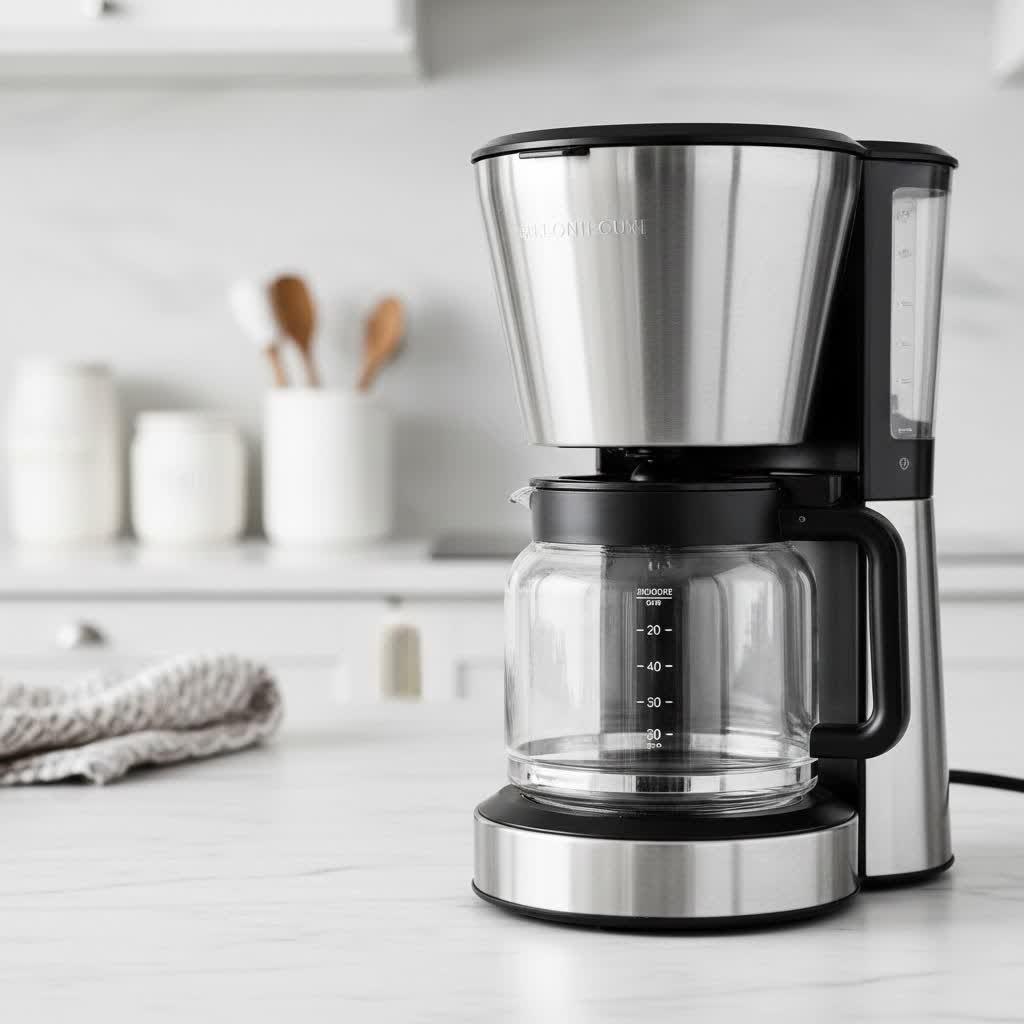
Imagine waking up to the rich, inviting aroma of freshly ground and brewed coffee, all from a single, sleek appliance. Coffee makers with built-in grinders promise this daily luxury, transforming whole beans into your perfect cup with minimal effort. But are these all-in-one machines truly the secret to superior home brewing, or do they come with hidden compromises? This comprehensive guide will explore everything you need to know about coffee grinder and maker combos, helping you decide if one is the ideal centerpiece for your kitchen.
Understanding Coffee Grinder and Maker Combos
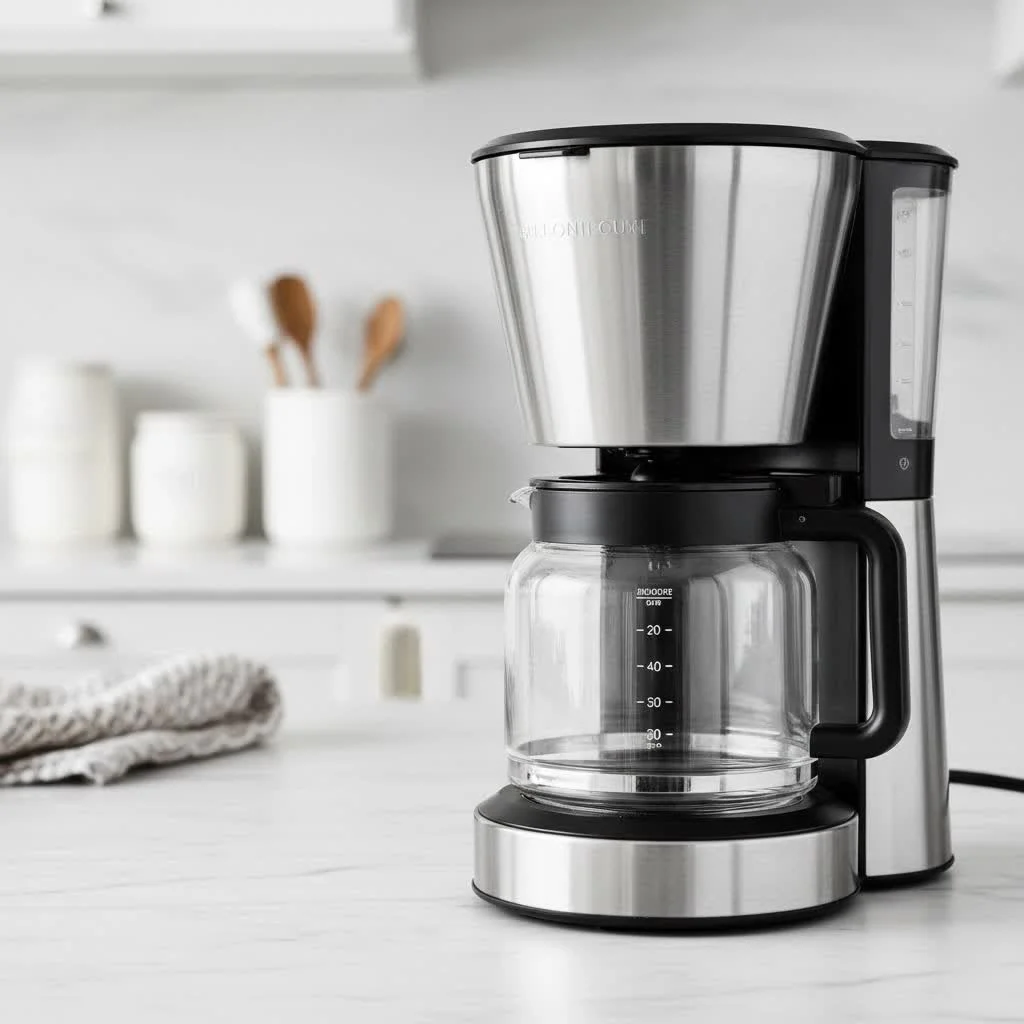
At its core, a coffee maker with a built-in grinder, often called a “grind and brew” machine, is designed for ultimate convenience. These innovative appliances integrate two essential steps of coffee preparation—grinding whole beans and brewing—into one seamless process. Instead of requiring separate devices, the machine handles both functions, typically with the push of a button.
The concept behind these machines is simple: fresh coffee tastes better. Coffee beans begin to lose their flavor and aroma almost immediately after grinding due to oxidation. By grinding just moments before brewing, an integrated unit ensures you capture the peak freshness, unlocking a richer, more vibrant taste experience than pre-ground coffee can offer. This marriage of convenience and quality has made them increasingly popular in homes where time is precious but good coffee is non-negotiable.
Historically, the quality of integrated grinders was often a weak point, with many early models using less effective blade grinders. However, advancements in technology have led to more sophisticated options, including those featuring precise burr grinders, capable of delivering a consistent grind size crucial for optimal extraction. Today’s market offers a variety of grind and brew machines, ranging from simple drip coffee makers to advanced espresso machines, each catering to different preferences and brewing styles.
The Advantages of an Integrated Coffee Maker with Grinder
For many coffee enthusiasts, the appeal of an all-in-one coffee grinder and maker is undeniable, offering a blend of convenience and quality that can significantly enhance your daily routine.
The primary advantage is unparalleled convenience and time-saving. With a single machine handling both grinding and brewing, you eliminate the need to transfer grounds, clean multiple devices, or separate steps. Many models feature programmable timers, allowing you to wake up to the enticing scent of freshly brewed coffee, ready and waiting. This streamlined process is particularly beneficial for busy mornings when every minute counts.
Secondly, these machines deliver superior freshness and flavor. Grinding coffee beans just before brewing is widely considered the most critical factor for achieving the best taste. Integrated grinders ensure your coffee’s aromatic compounds are preserved until the last possible moment, resulting in a more vibrant, nuanced, and flavorful cup compared to using pre-ground coffee. The difference in taste can be remarkably distinct.
Coffee maker and grinder combos are excellent space-savers. Consolidating two essential pieces of equipment into one unit frees up valuable countertop real estate, making them an attractive option for smaller kitchens or for those who prefer a minimalist setup. While some integrated machines can still be bulky, they generally occupy less space than a separate grinder and coffee maker.
Finally, integrated units often offer enhanced compatibility. The grinder is specifically designed to work in harmony with the brewing mechanism, optimizing the grind size and delivery for that particular machine’s brewing method. This can take the guesswork out of matching a grinder to a brewer, simplifying the overall coffee-making process for beginners and seasoned users alike.
The Disadvantages of Coffee Makers with Built-in Grinders
While the allure of an all-in-one coffee solution is strong, integrated coffee makers with grinders also come with a set of potential drawbacks that discerning coffee lovers should consider.
One of the most significant concerns revolves around compromises in grind quality and consistency. Many built-in grinders, especially in more budget-friendly models, utilize blade grinders. Unlike burr grinders, which mill beans to a uniform size, blade grinders chop beans unevenly, resulting in a mix of fine dust and coarse chunks. This inconsistency can lead to uneven extraction, yielding a cup that tastes either weak and sour (under-extracted) or bitter (over-extracted). Even burr grinders in integrated units can sometimes be less precise or offer fewer grind settings than high-quality standalone grinders, limiting your ability to fine-tune for different brew methods or specific beans.
Another critical issue is the potential for heat transfer to beans. Coffee makers generate heat during the brewing process. If the bean hopper is located too close to the heating elements, this warmth can prematurely age or “burn” the unground beans stored within, negatively impacting their flavor and freshness even before they are ground.
Integrated machines can also suffer from a lack of versatility for various brew methods. While some advanced models offer multiple settings, many built-in grinders are optimized for a specific type of coffee, such as drip or espresso. If you enjoy experimenting with different brewing methods like French press or pour-over, which require distinct grind sizes, an integrated grinder might not provide the necessary range of adjustment.
Maintenance and repair challenges represent another notable disadvantage. If either the grinder or the brewer component malfunctions, the entire machine may become unusable. Repairing integrated units can be more complex and costly than addressing an issue with a single, standalone appliance. Cleaning can also be more difficult, particularly if the grinder components are not easily removable, leading to stale coffee grounds building up and affecting future brews.
Finally, while initial purchase might seem like a saving, higher initial cost for quality units is a factor. To get an integrated unit with a decent burr grinder and reliable brewing capabilities, you’ll often spend more than if you bought a separate entry-level grinder and coffee maker of comparable quality. Some tests have also revealed that integrated machines can struggle with consistent coffee dosing and maintaining ideal brewing temperatures (195-205°F), which are crucial for optimal flavor extraction.
Factors to Consider When Buying a Coffee Grinder and Maker
Choosing the right coffee grinder and maker combo requires careful consideration of several key factors to ensure it meets your brewing preferences and lifestyle.
Grinder Type
|
Our Picks for the Best Coffee Maker in 2026
As an Amazon Associate I earn from qualifying purchases.
|
||
| Num | Product | Action |
|---|---|---|
| 1 | Hamilton Beach 2-Way Programmable Coffee Maker, 12 Cup Glass Carafe And Single Serve Coffee Maker, Black with Stainless Steel Accents, 49980RG |

|
| 2 | Keurig K-Express Single Serve Coffee Maker – Strong Brew Option, 42oz Reservoir, Sleek Design for Holiday Hosting & Gifting, Black |
|
| 3 | Keurig K-Classic Single Serve K-Cup Pod Coffee Maker, Rhubarb |
|
| 4 | ALPHA LIVING 100 Cups Electric Coffee Urn – Stainless Steel Large Capacity Electric Kettle Percolator Coffee Pot – Ideal Hot Beverage Dispenser for Catering, Hotels, Restaurants –Leak-Proof Tap |
|
| 5 | Ninja 12-Cup Programmable Coffee Brewer, 2 Brew Styles, Adjustable Warm Plate, 60oz Water Reservoir, Delay Brew - Black/Stainless Steel |
|
| 6 | BLACK+DECKER 12-Cup Digital Coffee Maker, Programmable, Washable Basket Filter, Sneak-A-Cup, Auto Brew, Water Window, Keep Hot Plate, Black |
|
| 7 | 500ml Coffee Decanter Glass Drip Coffee Maker with Reusable Stainless Steel Filter and Grip for Home or Office |
|
| 8 | BLACK+DECKER CM1160W-1 CM1160W 12-Cup Programmable Coffeemaker, White/Stainless Steel |
|
| 9 | Keurig K-Classic Single Serve K-Cup Pod Coffee Maker, with 3 Brew Sizes, 48oz Removable Reservoir, Black |
|
| 10 | Hamilton Beach 2-Way Programmable Coffee Maker, 12 Cup Glass Carafe And Single Serve Coffee Maker, White with Stainless Steel Accents, 49933 |
|
The type of grinder is perhaps the most critical component. Burr grinders are highly recommended for their ability to produce a consistent and uniform grind, which is essential for optimal flavor extraction. They work by crushing beans between two abrasive surfaces, either conical or flat. In contrast, blade grinders operate like blenders, chopping beans inconsistently and generating heat that can negatively affect flavor. If quality is a priority, always opt for a machine with a burr grinder.
Capacity
Consider how much coffee you typically brew. Do you need a single cup for yourself, or a full pot for a household? Grind and brew machines come in various capacities, from single-serve models ideal for individuals or small kitchens, to 12-cup carafes suitable for families or those who drink coffee throughout the day. Match the capacity to your daily consumption to avoid waste or frequent refilling.
Features and Customization
Modern coffee makers offer a many features. Look for:
- Programmable Timers: To set your brewing to start automatically.
- Adjustable Brew Strength: Allows you to customize the intensity of your coffee.
- Grind Settings: A wide range of adjustable grind coarseness is vital, especially for espresso machines, to fine-tune extraction.
- Temperature Control: Machines that can maintain a brewing temperature between 195-205°F are crucial for good extraction, though some integrated units may struggle with this.
- Milk Frothers: Essential for espresso-based drinks like lattes and cappuccinos.
- Auto Shut-off: For safety and energy saving.
- Water Filters: To improve taste by removing impurities.
- User Profiles: High-end machines might allow multiple users to save their preferred settings.
Brand Reputation and Price
Reputable brands often offer more reliable products, but integrated machines can be an investment. Be prepared for higher price points for models with quality burr grinders and advanced features. Research reviews to understand performance and durability. While a budget option might seem appealing, be aware that cheaper models often compromise on grinder quality (using blade grinders) or brewing consistency.
Ease of Use and Cleaning
An all-in-one machine should simplify your routine, not complicate it. Look for intuitive controls, clear displays, and straightforward operation. Ease of cleaning is equally important. Removable bean hoppers, brew baskets, and carafes make maintenance simpler. Some machines also offer self-cleaning functions, particularly for milk frothers, which can be a significant convenience.
Size and Countertop Footprint
While integrated units are generally space-savers, some models can still be quite large. Measure your available countertop space and cabinet clearance before purchasing to ensure a comfortable fit. Consider the dimensions carefully, as a machine that’s too tall or wide can disrupt your kitchen’s aesthetic and functionality.
Top Picks: Best Coffee Grinder and Maker Combos on the Market
Based on extensive testing and user feedback, several coffee grinder and maker combos consistently stand out for their performance, features, and overall value.
Breville The Grind Control Coffee Maker – Best Overall Drip
The Breville The Grind Control Coffee Maker is frequently lauded as a top choice for those seeking a high-quality drip coffee experience with the added benefit of a built-in grinder. It features a precise burr grinder and offers extensive customization options for grind size, brew strength, and brew size, allowing users to dial in their preferred taste. Its insulated stainless steel carafe keeps coffee warm for hours, a major plus for households that enjoy multiple cups. The machine also boasts an intuitive LCD screen and can be programmed to start brewing automatically, adding to its convenience. However, some tests indicate it may be underpowered for consistently reaching ideal brewing temperatures, and like many complex appliances, it might be prone to breakdowns over time. It also occupies a fair amount of counter space.
Breville The Barista Express Espresso Machine – Best for Espresso
For espresso aficionados, the Breville The Barista Express Espresso Machine (and its siblings like the Barista Pro and Barista Touch) is a standout integrated solution. This machine combines a robust conical burr grinder with a powerful espresso maker, enabling you to create café-quality espresso at home. Key features include precise grind size adjustment, a potent steam wand for silky microfoam, and digital temperature control (PID) for optimal extraction. While there can be a slight learning curve to master the grind and milk frothing, the results are highly rewarding. It’s an investment, but its durability and performance make it a favorite among home baristas.
Cuisinart Coffee Center Grind & Brew Plus – Most Versatile/Budget-Friendly
The Cuisinart Coffee Center Grind & Brew Plus offers exceptional versatility, making it a strong contender for those who enjoy both full pots of drip coffee and single-serve pods. This hybrid machine allows you to use its built-in grinder for fresh grounds or insert K-Cups for quick, single servings. It’s often praised for its ease of use, programmable features, and the inclusion of a charcoal water filter to enhance coffee taste. While generally more budget-friendly, many Cuisinart grind and brew models utilize blade grinders, which can lead to louder operation and less consistent grind quality compared to burr grinders. Despite this, it remains a popular choice for its convenience and adaptability to different brewing needs.
Maximizing Your Integrated Coffee Maker’s Performance and Lifespan
To truly enjoy your coffee grinder and maker combo for years to come, proper usage and diligent maintenance are key.
First and foremost, always start with fresh, high-quality coffee beans and filtered water. Even the best machine can’t compensate for stale beans or poor water quality. Store your beans in an airtight container away from light and heat, and only add the amount you need for each brew to the hopper to prevent premature staling from residual heat.
Regular cleaning is paramount for both hygiene and taste. Coffee oils and fine grounds can build up, leading to off-flavors and potential blockages. Always consult your manufacturer’s instructions, but general tips include:
- For the grinder: Use a soft brush or a specialized grinder cleaning tablet to remove residual grounds and oils. If the grinder is removable, clean it with a dry cloth; avoid water as it can damage burrs.
- For the brewing components: Regularly clean the brew basket, carafe, and water reservoir with warm, soapy water. Some parts may be dishwasher-safe.
- Descaling: Minerals in water can accumulate as scale, affecting heating efficiency and taste. Descate your machine every 2-3 months using a descaling solution (not vinegar, which can damage internal components) following the manufacturer’s guide.
Common issues like inconsistent grinding or lukewarm coffee can often be traced back to maintenance or incorrect settings. If your grinder isn’t performing as expected, ensure it’s clean and that you’re selecting the appropriate grind size for your chosen brew method. For temperature issues, verify the machine’s wattage and ensure the water reservoir is adequately filled. By adhering to these simple practices, you’ll extend your machine’s lifespan and consistently brew delicious, fresh coffee.
Conclusion
Coffee grinder and maker combos offer a compelling proposition for anyone seeking the convenience of automated brewing coupled with the superior taste of freshly ground coffee. While they present a trade-off between ultimate customization and streamlined functionality, the right model can be a major upgrade for your daily coffee ritual. Prioritizing units with burr grinders, understanding your capacity needs, and committing to regular maintenance will ensure you reap the full benefits of these innovative machines. The joy of a perfect cup, crafted from bean to brew in moments, makes the journey to finding your ideal coffee grinder and maker combo a truly worthwhile endeavor.
What kind of coffee experience are you hoping to create with an integrated machine?
Frequently Asked Questions
Are coffee makers with built-in grinders worth the investment?
Coffee makers with built-in grinders offer significant convenience and fresher coffee compared to pre-ground options. While some lower-end models may compromise on grind quality or durability, higher-end machines with burr grinders can provide an excellent balance of taste and ease of use, making them a worthwhile investment for many.
What is the difference between a blade grinder and a burr grinder in these machines?
A blade grinder chops coffee beans inconsistently, creating an uneven mix of coarse and fine particles, which can lead to an inferior taste. A burr grinder, whether conical or flat, grinds beans to a uniform size, allowing for much better flavor extraction and a superior cup of coffee. Burr grinders are generally preferred and worth the extra cost.
Can I use pre-ground coffee in a coffee maker with a built-in grinder?
Many coffee makers with built-in grinders offer a bypass chute or a separate filter basket that allows you to use pre-ground coffee. This feature can be useful for decaf options or when you’re in a hurry and don’t want to grind fresh beans. Always check your specific model’s manual for instructions.
How often should I clean the grinder component of my machine?
It’s recommended to clean the grinder component regularly, ideally once a week or every few uses, to prevent the buildup of coffee oils and stale grounds that can affect flavor. Follow your manufacturer’s instructions, often involving brushing away grounds or using specialized cleaning tablets.
Do coffee makers with built-in grinders take up more counter space?
While integrated units combine two appliances into one, they can sometimes have a larger overall footprint than a basic standalone coffee maker. However, they still generally save space compared to having a separate coffee maker and a separate high-quality grinder. Always check the dimensions before purchasing.
Get our weekly buyer guide
Practical specs, not advice. Unsubscribe anytime.

I was skeptical about an all-in-one machine, but this guide really helped me understand the benefits. I ended up getting a grind and brew model, and it’s been a game-changer for my morning routine. The convenience of having freshly ground coffee without needing two separate appliances is amazing. My kitchen counter is so much less cluttered now!
I’ve always used separate grinders and brewers, but the idea of transforming whole beans into a perfect cup with minimal effort really caught my eye. I finally took the plunge and bought a combo machine, and I’m so glad I did. The aroma of freshly ground coffee every morning is incredible, and the taste is consistently excellent. Highly recommend for anyone on the fence.
This was super helpful in deciding on my next coffee maker. I was specifically looking for something that could handle whole beans and brew them immediately. The guide’s emphasis on the seamless process really resonated with me. I’m enjoying my new machine, though it took a couple of tries to get the grind setting just right for my preferred strength.
I appreciate the detailed breakdown of these combos. I bought one based on a recommendation for its ease of cleaning, but I’ve found the grinder can be a bit loud, especially early in the morning. It does make good coffee, but I wish it was a little quieter. Still, the fresh taste is hard to beat.