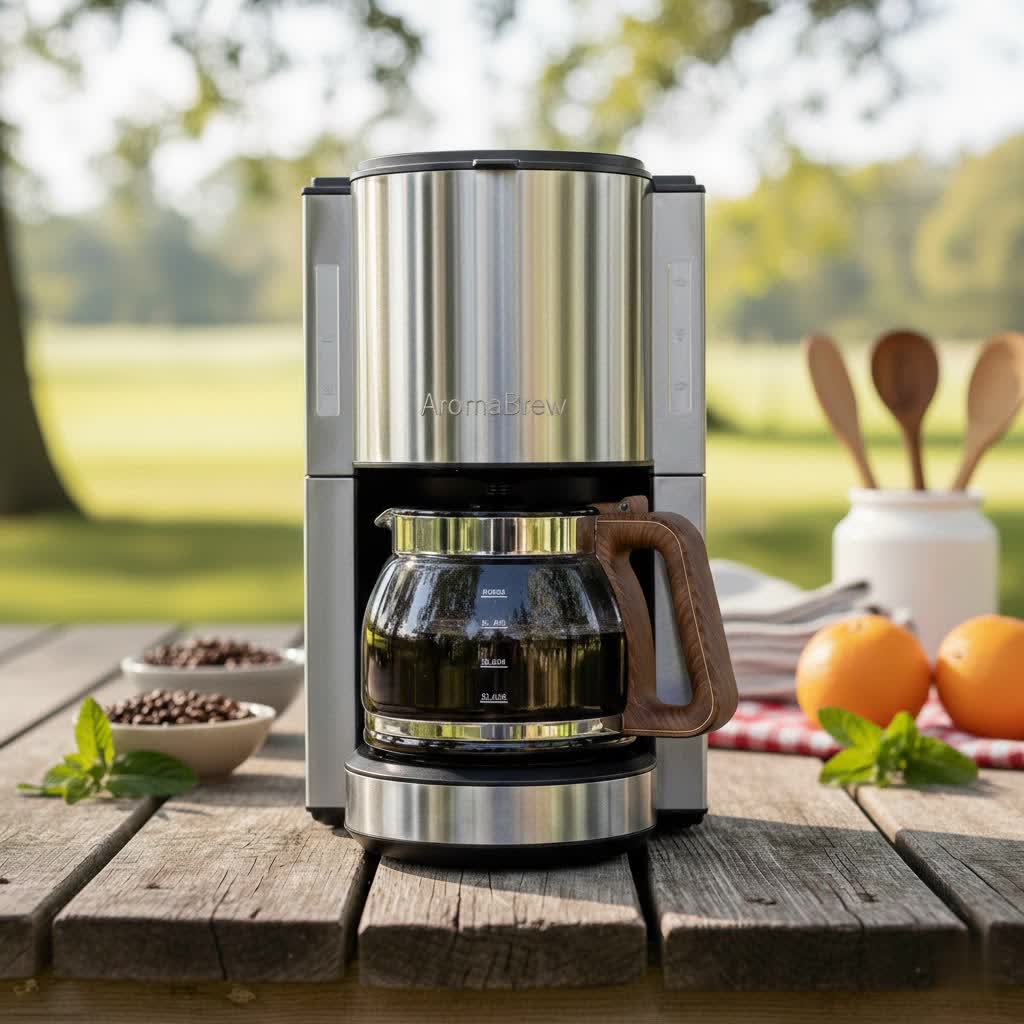
Imagine waking up to the rich aroma of freshly brewed espresso, the perfect crema crowning a shot of concentrated coffee bliss. An espresso coffee maker transforms this daily dream into a delicious reality, bringing the authentic cafe experience directly into your home. Whether you’re a seasoned barista or a curious beginner, choosing the right espresso coffee maker and mastering its use is key to unlocking exceptional coffee moments.
This comprehensive guide will navigate you through the world of espresso coffee makers, exploring different types, crucial buying considerations, top-rated models, and essential tips for brewing and maintenance. Prepare to elevate your coffee game and savor every sip of your homemade espresso.
Understanding the Espresso Coffee Maker
At its core, an espresso coffee maker is a device designed to force hot, pressurized water through finely-ground coffee beans, yielding a concentrated shot of espresso. This unique brewing method extracts the full flavor and aroma of the coffee, characterized by its intense taste, thick body, and a distinctive reddish-brown foam layer called crema.
The concept of high-pressure coffee brewing evolved significantly over time. Early versions, like the Moka pot, relied on stovetop heat to generate steam pressure. However, modern espresso machines, first patented in the early 20th century, revolutionized the process by introducing mechanical pumps capable of generating the consistent 9 bars of pressure widely accepted as ideal for true espresso extraction. Today, these machines range from simple, hands-on devices to sophisticated, fully automated systems, each offering a distinct path to your favorite coffee drink.
Types of Espresso Coffee Makers
The diversity in espresso machines means there’s a perfect fit for every coffee lover. Understanding the main categories is your first step towards finding the ideal machine.
- Manual Espresso Machines: These machines offer the most control and require the most skill. They often feature a lever mechanism that you manually pump to build pressure, giving you direct influence over every aspect of the extraction. While demanding, they provide unparalleled insight into the brewing process and can produce exquisite, nuanced shots. Manual machines are perfect for enthusiasts who enjoy the ritual and artistry of espresso making.
- Semi-Automatic Espresso Machines: The most popular choice for home baristas, semi-automatic machines strike a balance between control and convenience. You grind your coffee, tamp it into the portafilter, and initiate the shot, but the machine handles the water heating and pump pressure. You decide when to start and stop the shot, allowing for customization and experimentation. Many semi-automatic models come with steam wands for milk frothing, making them versatile for a range of espresso-based drinks.
- Automatic Espresso Machines: Building on semi-automatics, automatic machines take convenience a step further by automatically stopping the espresso shot once a pre-programmed volume is dispensed. This removes one variable from the brewing process, offering more consistency, especially for beginners. You still manage the grinding and tamping, but the machine ensures a consistent shot volume every time.
- Super-Automatic (Bean-to-Cup) Espresso Machines: For ultimate convenience, super-automatic machines are the answer. These “bean-to-cup” devices do it all: they grind the beans, tamp them, brew the espresso, and often even froth milk with the touch of a button. They feature integrated grinders and often offer a wide array of pre-programmed drinks. While they offer less control over individual variables, they deliver consistent results with minimal effort, ideal for those seeking speed and simplicity.
Essential Factors When Buying an Espresso Coffee Maker (Buying Guide)
Choosing an espresso coffee maker is a significant investment in your daily coffee ritual. Consider these crucial factors to ensure you select a machine that perfectly aligns with your preferences, skill level, and budget.
Machine Type: Finding Your Perfect Match
|
Our Picks for the Best Coffee Maker in 2026
As an Amazon Associate I earn from qualifying purchases.
|
||
| Num | Product | Action |
|---|---|---|
| 1 | 500ml Coffee Decanter Glass Drip Coffee Maker with Reusable Stainless Steel Filter and Grip for Home or Office |

|
| 2 | ALPHA LIVING 100 Cups Electric Coffee Urn – Stainless Steel Large Capacity Electric Kettle Percolator Coffee Pot – Ideal Hot Beverage Dispenser for Catering, Hotels, Restaurants –Leak-Proof Tap |
|
| 3 | Ninja 12-Cup Programmable Coffee Brewer, 2 Brew Styles, Adjustable Warm Plate, 60oz Water Reservoir, Delay Brew - Black/Stainless Steel |
|
| 4 | Keurig K-Express Single Serve Coffee Maker – Strong Brew Option, 42oz Reservoir, Sleek Design for Holiday Hosting & Gifting, Black |
|
| 5 | Keurig K-Classic Single Serve K-Cup Pod Coffee Maker, with 3 Brew Sizes, 48oz Removable Reservoir, Black |
|
| 6 | BLACK+DECKER CM1160W-1 CM1160W 12-Cup Programmable Coffeemaker, White/Stainless Steel |
|
| 7 | Keurig K-Classic Single Serve K-Cup Pod Coffee Maker, Rhubarb |
|
| 8 | BLACK+DECKER 12-Cup Digital Coffee Maker, Programmable, Washable Basket Filter, Sneak-A-Cup, Auto Brew, Water Window, Keep Hot Plate, Black |
|
| 9 | Hamilton Beach 2-Way Programmable Coffee Maker, 12 Cup Glass Carafe And Single Serve Coffee Maker, White with Stainless Steel Accents, 49933 |
|
| 10 | Hamilton Beach 2-Way Programmable Coffee Maker, 12 Cup Glass Carafe And Single Serve Coffee Maker, Black with Stainless Steel Accents, 49980RG |
|
As explored, the type of machine dictates your level of involvement and the convenience offered.
- Manual: Best for those who relish the “ritual” of coffee making, offering full control over pressure and extraction. Requires significant practice.
- Semi-Automatic: Recommended for most home users, balancing control and ease of use. Allows for learning and perfecting your technique.
- Automatic: Great for those who want consistency without the guesswork of stopping a shot manually. A good stepping stone from semi-automatic.
- Super-Automatic: Ideal for busy individuals or households prioritizing speed and one-touch convenience for a variety of drinks. Less control over specific brewing parameters.
Capacity & Boiler Configuration
The internal heating system of an espresso machine significantly impacts its performance, especially if you enjoy milk-based drinks.
- Single Boiler (SB): These machines use one boiler for both brewing and steaming. You must wait for the boiler to heat up to brew temperature, then again to steam temperature. They are generally more compact and budget-friendly, suitable for occasional espresso drinkers who don’t frequently make milk drinks.
- Heat Exchanger (HX): An HX machine has a single boiler primarily for steaming, with a tube running through it that flash-heats water for brewing. This allows for simultaneous brewing and steaming, making it a popular choice for those who enjoy lattes and cappuccinos without significant waiting times between tasks.
- Dual Boiler (DB): The pinnacle of home espresso machine design, dual boiler machines feature separate boilers for brewing and steaming. This provides superior temperature stability and allows for simultaneous and precise control over both functions, leading to exceptional consistency for both espresso and milk texturing. They are typically larger and more expensive but offer professional-level performance.
Consider the water reservoir capacity as well. Larger reservoirs (98 ounces or more) mean less frequent refilling, which is a convenience, especially for multiple daily drinks. Some high-end machines can also be plumbed directly into your water line.
Temperature Control: The Role of PID
Consistent temperature is paramount for excellent espresso extraction. Fluctuations can lead to under- or over-extraction, resulting in sour or bitter shots.
- PID Controller (Proportional-Integral-Derivative): A PID controller is a modern electronic system that precisely monitors and maintains the water temperature in the boiler. Unlike traditional thermostats that simply turn the heater on and off, a PID constantly adjusts the heating element, ensuring exceptional temperature stability. Look for machines with an adjustable PID if you want to experiment with different roast profiles, as varying brew temperatures can highlight different flavors in coffee.
Pump Type & Pressure Profiling
The pump is responsible for generating the necessary pressure for espresso extraction.
- Vibratory Pumps: More common in entry-level and mid-range machines, vibratory pumps are compact, affordable, and generally louder. They create pressure by rapidly vibrating a piston.
- Rotary Pumps: Found in higher-end home and commercial machines, rotary pumps are quieter, more durable, and capable of being plumbed into a water line. They use a motor and spinning vane to generate pressure.
Pressure Profiling and Flow Control: For advanced enthusiasts, some machines offer the ability to manipulate brew pressure and water flow throughout the shot. This allows for nuanced experimentation, tailoring the extraction to specific coffee beans or desired flavor profiles, moving beyond the traditional 9-bar standard.
Materials and Durability
The construction materials of your espresso machine significantly impact its longevity, thermal stability, and overall performance.
- Boiler Materials:
- Brass and Copper: Excellent heat retention and thermal stability, highly durable, often found in higher-end machines.
- Stainless Steel: Good heat retention, durable, common in various price points.
- Aluminum: Found in some budget machines; can be prone to corrosion if not stainless steel-lined.
- Internal Components: Look for machines with brass or copper internal components rather than plastic or silicone, as these offer better durability and heat retention.
- External Materials: While largely aesthetic, higher-grade stainless steel (like 304) used for external housing indicates a more robust and durable build quality compared to plastic or brushed steel.
Portafilter Size & Brew Group
These components are where the coffee meets the machine, directly impacting extraction quality.
- Portafilter Size: The most common professional standard is 58mm, which allows for a wider, shallower coffee bed, promoting more even extraction. Many accessories are designed for this size. Some home machines use 54mm portafilters, which are still capable of producing excellent espresso but may have fewer accessory options.
- Brew Group Type:
- E61 Group Head: A classic design known for its reliability, pre-infusion capabilities, and thermal stability due to its heavy brass construction and thermosyphon system. It’s a favorite among home enthusiasts for its rebuildability and aesthetic.
- Saturated Group Heads: Integrate the group head as an extension
Get our weekly buyer guide
Practical specs, not advice. Unsubscribe anytime.
