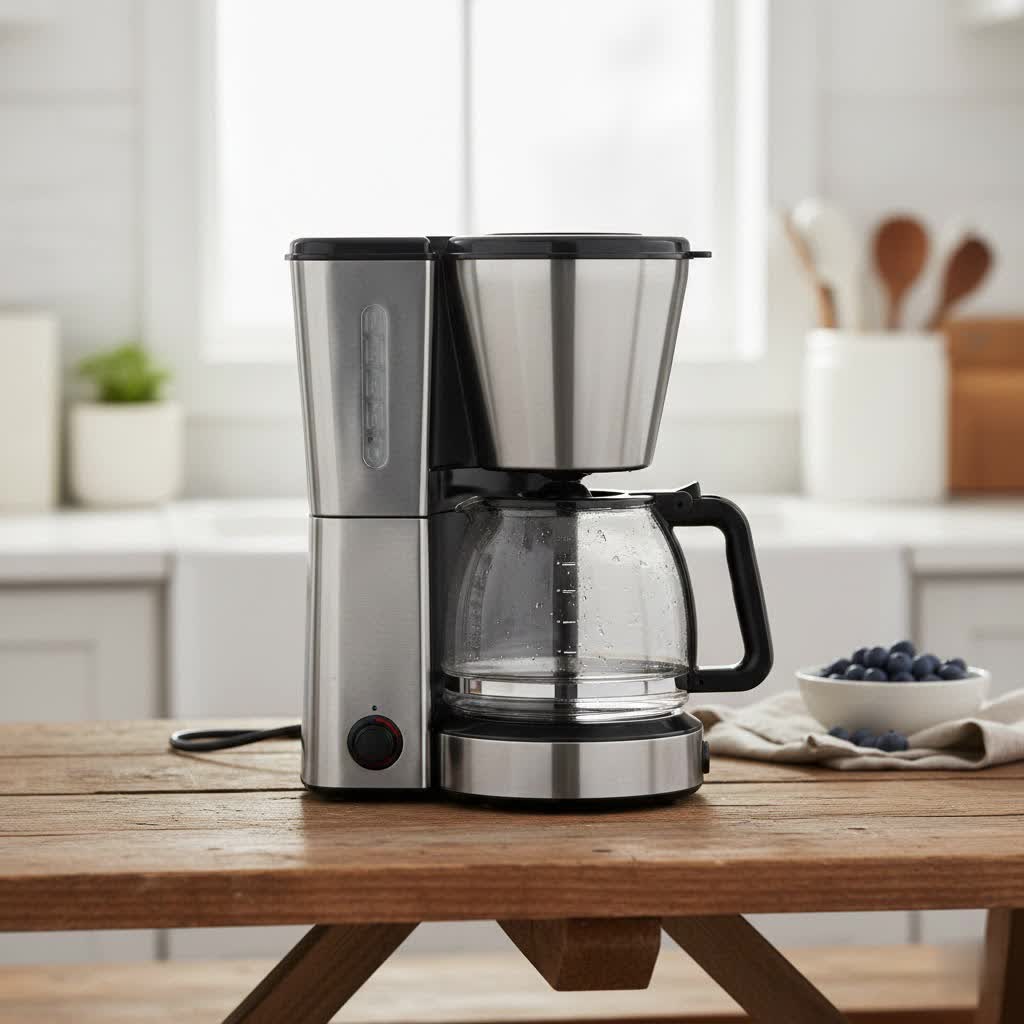
Imagine waking up to the rich aroma of freshly brewed coffee, not in your kitchen, but amidst the serene wilderness, a bustling airport lounge, or even your quiet office nook. For coffee aficionados, the thought of compromising on quality while on the go is a genuine concern. Thanks to portable coffee makers, that compromise is a thing of the past. These ingenious devices empower you to enjoy barista-quality coffee wherever your adventures or daily routine take you, transforming any location into your personal cafe. This comprehensive guide will navigate you through the world of portable coffee makers, helping you understand their evolution, select the perfect model for your needs, and master their use and maintenance to ensure every cup is a delight.
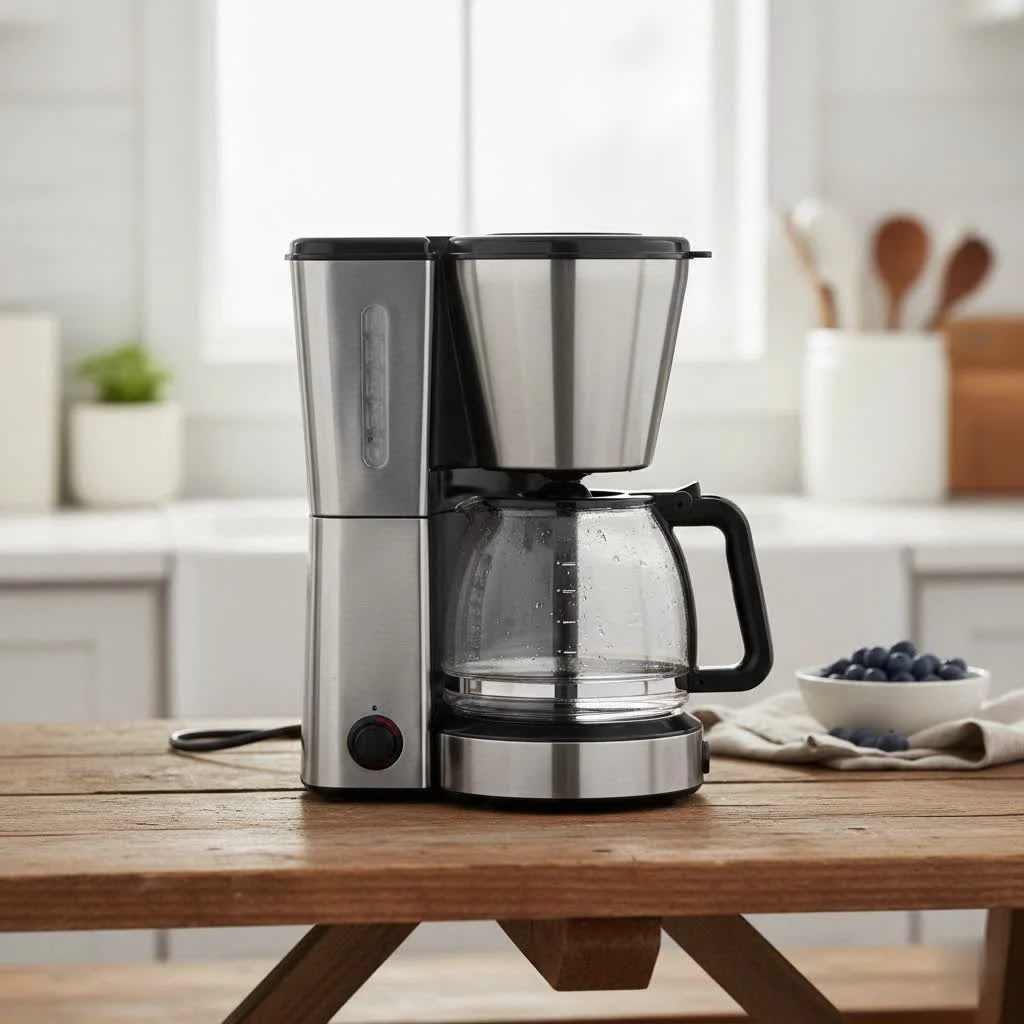
What Exactly is a Portable Coffee Maker?
A portable coffee maker is a compact, lightweight, and easily transportable device designed to brew coffee away from conventional kitchen setups. Unlike bulky countertop machines, these innovators prioritize mobility and convenience, ensuring you can satisfy your caffeine cravings whether you’re camping, traveling, hiking, or working remotely.
The concept of portable coffee has evolved significantly. Initially, options were limited to simple manual presses or stovetop percolators. Today, the market boasts a diverse range, from sophisticated battery-powered espresso makers that rival their home counterparts in pressure and crema quality, to versatile pour-over systems and rugged French presses. This evolution reflects a growing demand for high-quality, on-demand coffee experiences without being tethered to an electrical outlet or a fully equipped kitchen.
Portable coffee makers generally fall into a few key categories:
- Manual Espresso Makers: These compact devices use a hand-pump or lever mechanism to generate pressure, extracting a rich espresso shot. They often require pre-heated water but offer unparalleled control and no need for electricity.
- Electric/Battery-Powered Espresso Makers: Featuring built-in batteries (often USB-C rechargeable), these can sometimes heat cold water to brewing temperature, offering automated, high-pressure espresso extraction with minimal effort.
- Pour-Over & Drip Coffee Makers: Simpler, often collapsible designs that involve manually pouring hot water over ground coffee. They are excellent for a clean, classic cup of filter coffee.
- French Press: An immersion brewing method where coffee grounds steep in hot water, then a plunger separates the grounds from the brew. Portable versions often double as insulated travel mugs, ideal for larger quantities or shared experiences.
- Moka Pots (Stovetop Espresso): While requiring an external heat source, these iconic Italian brewers are compact and durable, perfect for robust, espresso-like coffee on a camp stove.
Factors to Consider When Buying a Portable Coffee Maker (Buying Guide)
Choosing the right portable coffee maker can feel overwhelming given the variety of options. To make an informed decision, consider these crucial factors:
Brewing Method & Coffee Type
|
Our Picks for the Best Coffee Maker in 2026
As an Amazon Associate I earn from qualifying purchases.
|
||
| Num | Product | Action |
|---|---|---|
| 1 | ALPHA LIVING 100 Cups Electric Coffee Urn – Stainless Steel Large Capacity Electric Kettle Percolator Coffee Pot – Ideal Hot Beverage Dispenser for Catering, Hotels, Restaurants –Leak-Proof Tap |

|
| 2 | Hamilton Beach 2-Way Programmable Coffee Maker, 12 Cup Glass Carafe And Single Serve Coffee Maker, Black with Stainless Steel Accents, 49980RG |
|
| 3 | Keurig K-Classic Single Serve K-Cup Pod Coffee Maker, Rhubarb |
|
| 4 | Keurig K-Express Single Serve Coffee Maker – Strong Brew Option, 42oz Reservoir, Sleek Design for Holiday Hosting & Gifting, Black |
|
| 5 | BLACK+DECKER 12-Cup Digital Coffee Maker, Programmable, Washable Basket Filter, Sneak-A-Cup, Auto Brew, Water Window, Keep Hot Plate, Black |
|
| 6 | BLACK+DECKER CM1160W-1 CM1160W 12-Cup Programmable Coffeemaker, White/Stainless Steel |
|
| 7 | Keurig K-Classic Single Serve K-Cup Pod Coffee Maker, with 3 Brew Sizes, 48oz Removable Reservoir, Black |
|
| 8 | 500ml Coffee Decanter Glass Drip Coffee Maker with Reusable Stainless Steel Filter and Grip for Home or Office |
|
| 9 | Ninja 12-Cup Programmable Coffee Brewer, 2 Brew Styles, Adjustable Warm Plate, 60oz Water Reservoir, Delay Brew - Black/Stainless Steel |
|
| 10 | Hamilton Beach 2-Way Programmable Coffee Maker, 12 Cup Glass Carafe And Single Serve Coffee Maker, White with Stainless Steel Accents, 49933 |
|
Your preferred coffee style is the first and most critical consideration. Are you an espresso purist, craving that intense, crema-topped shot? Or do you prefer a smooth, full-bodied drip coffee?
- Espresso: If robust, concentrated coffee is your goal, look for portable espresso makers (manual or electric) that can achieve 9-20 bars of pressure to extract authentic espresso with a rich crema. These are ideal for lattes, cappuccinos, or a strong shot.
- Drip/Pour-over: For a cleaner, lighter-bodied cup that’s closer to traditional filter coffee, pour-over or AeroPress-style devices are excellent. They offer simplicity and purity of flavor.
- French Press: If you enjoy a rich, full-bodied brew with a bit more sediment and appreciate simplicity and durability, a portable French press is a great choice, especially for brewing multiple servings.
- Cold Brew: While not always a dedicated portable maker, some French presses or specialized cold brew devices can make concentrated cold brew on the go, perfect for hot weather.
Power Source
The availability of power greatly influences your choice and convenience.
- Manual: These makers require no batteries or electricity, relying solely on human power (e.g., pumping a lever). They are the most robust for off-grid adventures, though they typically need pre-heated water.
- Battery-powered/Electric: Offering convenience, these devices usually feature rechargeable lithium batteries (5000-9000mAh is common) and USB-C charging. Some advanced models can even self-heat cold water, eliminating the need for an external kettle, though this consumes more battery power. They are perfect for offices, car trips, or short camping trips where recharging is possible.
- Stovetop: Moka pots require a heat source like a camping stove or gas burner. They are manual in operation but electric-free, making them suitable for wilderness camping with the right gear.
Portability: Size, Weight, and Design
The essence of a “portable” coffee maker lies in its ability to travel with ease.
- Size and Weight: Look for lightweight (often between 500g and 1kg for electric models) and compact designs that fit comfortably in a backpack, suitcase, or even a car cup holder. Many are thermos-sized for ultimate packability.
- Durability: Consider the materials. BPA-free plastics, stainless steel, and rugged constructions are important for devices that will endure travel and outdoor conditions. Some electric models boast IPX waterproof ratings for added peace of mind.
- Integrated Design: Devices that pack all their components (cup, filter, scoop) into a single, neat unit (like the AeroPress Go) minimize bulk and ensure you don’t forget essential parts.
Capacity
How much coffee do you need at once?
- Single-Serve: Most portable espresso makers are designed for single shots (50-80ml) or small cups, ideal for solo travelers.
- Multiple Cups: For sharing or if you need more than one serving, consider a larger French press or a pour-over system with a bigger carafe capacity. Electric models that use pre-heated water can often make more cups per charge.
Compatibility
Versatility in coffee input can be a significant advantage.
- Ground Coffee: Almost all portable coffee makers work with ground coffee, giving you the freedom to choose your favorite beans and grind size. This offers the best flavor control.
- Pods/Capsules: Some electric portable espresso makers are compatible with Nespresso or Dolce Gusto capsules, offering unparalleled convenience and mess-free brewing, though typically at a higher cost per cup and less environmental friendliness.
Ease of Use & Cleaning
A truly portable device should be straightforward to operate and simple to clean, especially when resources are limited.
- Ease of Use: Look for intuitive designs, often with one-button operation for electric models or clear, simple steps for manual ones. Complex setups can be frustrating on the go.
- Ease of Cleaning: Removable components that are easy to rinse under running water are a major plus. Daily cleaning prevents residue buildup and ensures optimal flavor. Descaling, while less frequent, should also be a manageable process.
Brand Reputation & Price
While not a direct feature, brand reputation often correlates with quality, durability, and customer support. Leading brands like Wacaco, AeroPress, and Outin are well-regarded in the portable coffee maker space. Prices vary widely, from budget-friendly manual presses to high-end electric espresso makers with self-heating capabilities.
Comparing Popular Portable Coffee Maker Types
Here’s a quick comparison of the main types of portable coffee makers to help you weigh your options:
| Feature | Manual Espresso Maker (e.g., Wacaco Minipresso) | Electric Espresso Maker (e.g., Outin Nano) | Pour-Over (e.g., AeroPress) | French Press (e.g., AeroPress Go) |
|---|---|---|---|---|
| Cost Range | Mid-range | High-range | Low-to-mid range | Low-to-mid range |
| Complexity | Moderate (manual pumping) | Low (one-button operation) | Low (manual pour) | Low (immersion & press) |
| Coffee Type | Authentic Espresso, Espresso-style drinks | Authentic Espresso, Espresso-style drinks | Clean Filter Coffee, Espresso-style (AeroPress) | Full-bodied Filter Coffee, Cold Brew |
| Portability | Excellent (very compact, no power needed) | Excellent (compact, battery-powered) | Excellent (very compact, lightweight) | Good (can be bulkier, some double as mugs) |
| Power Source | Manual (requires pre-heated water) | Battery (USB-C), some self-heat | Manual (requires pre-heated water) | Manual (requires pre-heated water) |
| Compatibility | Ground coffee, some with capsules | Ground coffee, capsules | Ground coffee | Ground coffee (coarse grind) |
| Key Features | High pressure, durable, no battery worry | Self-heating, high pressure, automated | Fast brew, clean cup, versatile concentration | Simple, durable, good for groups, often insulated |
Top Picks: Best Portable Coffee Makers on the Market
Based on innovation, performance, and user feedback, here are some top contenders in the portable coffee maker landscape.
Outin Nano Portable Electric Espresso Machine – The Tech-Savvy Traveler’s Choice
The Outin Nano stands out for its impressive blend of technology and portability, offering a true espresso experience on the go.
- Pros: It boasts self-heating capabilities, warming cold water to optimal brewing temperature in about 200 seconds. With a powerful 7500mAh battery, it can make multiple hot shots or over 200 using preheated water. It supports both ground coffee and capsules, delivering up to 20 bars of pressure for a rich crema. USB-C charging adds to its travel-friendly appeal.
- Cons: Higher price point than manual options; self-heating drains battery faster; single-shot capacity.
- Ideal for: Tech enthusiasts, frequent travelers, office workers, or anyone seeking automated, high-quality espresso without an external heat source.
Wacaco Minipresso GR / Nanopresso – Manual Espresso Perfection
Wacaco has long been a leader in manual portable espresso, offering robust and reliable devices that are a favorite among purists.
- Pros: Ultra-compact and lightweight, making it incredibly portable. It requires no batteries or electricity, relying on a manual pumping mechanism to achieve the necessary pressure (up to 18 bars for Nanopresso) for authentic espresso with crema. It’s durable and easy to clean, primarily designed for ground coffee.
- Cons: Requires pre-heated water; manual pumping can be tiring for some; single-shot capacity.
- Ideal for: Backpackers, campers, hikers, or coffee enthusiasts who value manual control, durability, and off-grid independence.
AeroPress Go – The Versatile All-Rounder
The AeroPress Go builds on the success of the original AeroPress, optimizing it for travel without sacrificing its renowned versatility.
- Pros: Extremely compact, with all components (brewer, stirrer, scoop, filters, mug with lid) nesting neatly inside for easy packing. It’s incredibly easy to use and clean. Known for brewing smooth, low-acidity coffee, it can produce espresso-style concentrate, Americanos, or cold brew. It’s lightweight and made from durable, BPA-free plastic.
- Cons: Requires pre-heated water; primarily brews single servings (though can make concentrate for more); not a true high-pressure espresso.
- Ideal for: Campers, everyday commuters, or anyone who wants a versatile, easy-to-use, and easy-to-clean portable brewer that consistently delivers great-tasting coffee.
How to Use and Maintain Your Portable Coffee Maker
To ensure your portable coffee maker consistently delivers excellent coffee and lasts for years, proper usage and maintenance are key.
Step-by-Step Usage Guide
While specific instructions vary by model, here’s a general guide for most portable coffee makers:
- Unpack and Prepare: Unbox your device and wash all removable parts (filter basket, water reservoir, cup, etc.) with warm, soapy water. Run a “clean run” with plain water through the machine without coffee to ensure it’s free of manufacturing residues.
- Heat Water (if necessary): For most manual and some electric models, you’ll need to pre-heat water using a travel kettle, camp stove, or thermos. Electric self-heating models will do this for you.
- Add Coffee:
- Ground Coffee: Add your preferred finely ground coffee (for espresso) or medium-coarse ground coffee (for French press/pour-over) to the filter basket. Lightly tamp if making espresso.
- Capsules/Pods: Insert the compatible capsule into the designated adapter.
- Assemble: Securely assemble the coffee maker components, ensuring all seals are tight.
- Add Water: Pour hot (or cold, for self-heating models) water into the water reservoir, up to the indicated fill line.
- Brew:
- Manual: Slowly and steadily pump the lever or push the plunger to extract your coffee. Some manual espresso makers recommend a short pre-infusion (waiting 5-10 seconds after initial pressure builds) for better flavor extraction.
- Electric: Press the designated button to start the brewing cycle. Some have separate buttons for heating and brewing.
- Enjoy: Once brewed, carefully separate the components and pour your fresh coffee into your cup.
Tips for Optimal Taste:
- Grind Size Matters: Fine grind for espresso, medium for AeroPress, coarse for French press.
- Water Quality: Use filtered water for the best taste.
- Temperature: Aim for water between 195-205°F (90-96°C) for optimal extraction (unless cold brewing).
Essential Cleaning and Maintenance Tips
Regular cleaning and maintenance extend your portable coffee maker’s lifespan and ensure consistently delicious coffee.
- Daily Cleaning (After Each Use):
- Rinse: Immediately after brewing, rinse all removable parts (filter basket, portafilter, water tank, mug) with warm water to remove coffee grounds and oils.
- Soapy Wash: Use mild dish soap and warm water for a more thorough wash of these components, especially the water reservoir and any parts that come into contact with coffee.
- Wipe Down: Wipe the exterior of the main unit with a damp cloth. Never immerse electric units in water unless specified as waterproof.
- Dry Completely: Ensure all parts are completely dry before reassembling or storing to prevent mold and bacterial growth.
- Deep Cleaning / Descaling (Every 3-6 Months or More Frequently with Hard Water):
- Descaling Solution: Use a commercial descaling solution specifically for coffee makers, or a 50/50 mixture of white vinegar and hot water.
- Run Cycle: Fill the water reservoir with the solution and run a brewing cycle (without coffee grounds) to circulate it through the machine.
- Soak: Let the solution sit in the machine for 15-30 minutes to break down mineral buildup.
- Rinse Cycles: Run 2-3 cycles with plain, clean water to thoroughly flush out the descaling solution and any lingering odors or tastes.
- Component Soaking: Soak filter baskets and other non-electronic parts in the descaling solution for tougher stains.
- Storage: When not in use, store your clean, dry portable coffee maker in a cool, dry place. If it comes with a carrying case, use it to protect the device.
Common Troubleshooting Quick Fixes
Even the best portable coffee makers can encounter minor issues. Here are some quick fixes for common problems:
- Machine Not Turning On: Check the battery charge if electric; ensure it’s properly plugged in or charged if applicable. Inspect for any visible damage to the power button or charging port.
- Coffee Not Brewing / Slow Brewing:
- Empty Water Reservoir: Ensure the water tank is filled to the appropriate level.
- Clogs: Coffee grounds or mineral deposits can cause blockages. Perform a thorough cleaning, including descaling.
- Grind Size: If the grind is too fine, it can restrict water flow, leading to slow extraction or no brew. Adjust to a coarser grind.
- Gaskets/Seals: Worn or misaligned gaskets can cause pressure loss. Check for proper seating and replace if damaged.
- Leaking Water:
- Loose Connections: Ensure all parts are tightly screwed or clicked into place.
- Worn Seals/Gaskets: Inspect rubber seals for cracks or wear; replacement may be needed.
- Overfilling: Do not exceed the maximum water capacity.
- Coffee Tastes Bad / Grounds in Cup:
- Old Coffee: Use fresh, high-quality coffee beans.
- Improper Grind: Adjust grind size for your brewing method.
- Dirty Machine: Perform a thorough cleaning and descaling to remove old coffee oils and mineral buildup.
- Filter Issues: Ensure filters are correctly placed and not damaged.
“A truly great cup of coffee on the go isn’t just about the beans; it’s about understanding your machine and treating it right.” – Admin, Reviewonque.com, Coffee Machine Specialist.
Conclusion
The freedom to enjoy exceptional coffee wherever life takes you is no longer a luxury, but a reality, thanks to the innovation in portable coffee makers. From the rich, intense shots of a battery-powered espresso maker to the comforting simplicity of a travel-friendly French press, there’s a perfect device out there to suit every coffee preference and adventurous spirit. By considering factors like brewing method, power source, portability, and ease of maintenance, you can confidently select a portable coffee maker that seamlessly integrates into your lifestyle, ensuring that a premium coffee experience is always within reach. So, what are you waiting for? Embrace the world of coffee on the go and elevate your daily brew, no matter your location.
Frequently Asked Questions
Are portable coffee makers worth it?
Absolutely! Portable coffee makers are a fantastic investment for anyone who values high-quality coffee and a convenient brew, whether you’re traveling, camping, or simply want to avoid instant coffee at the office. They offer significant savings compared to buying coffee out and provide the flexibility to enjoy your favorite brew anytime, anywhere.
Can portable coffee makers heat water?
Many advanced electric portable coffee makers are equipped with self-heating capabilities, allowing them to heat cold water to brewing temperature. However, manual models and some simpler electric ones often require you to add pre-heated water, making a travel kettle or thermos a useful companion. Always check the product specifications for this feature.
What kind of coffee can I use in a portable coffee maker?
Most portable coffee makers are designed to work with finely ground coffee, giving you the flexibility to choose your favorite beans and grind them fresh. Many electric portable espresso makers also offer compatibility with coffee pods or capsules (like Nespresso), providing a convenient, mess-free option for quick brewing.
How long do portable coffee makers last?
With proper care and regular maintenance, a good quality portable coffee maker can last for several years. Manual devices, with fewer electronic components, often have a longer lifespan due to their simpler mechanics. Electric models, while convenient, rely on battery life which can degrade over time, but generally offer a robust several years of consistent performance.
Get our weekly buyer guide
Practical specs, not advice. Unsubscribe anytime.
