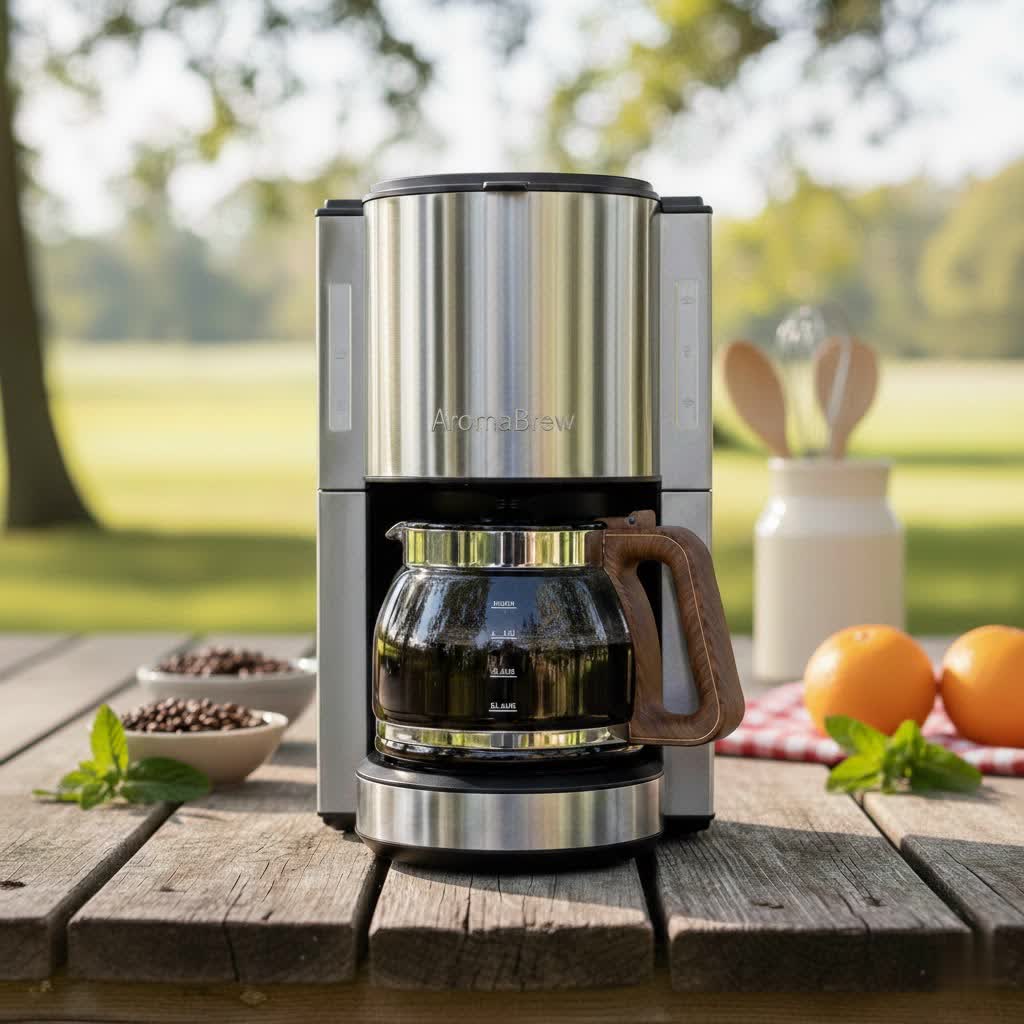
Are you tired of bitter, acidic coffee that upsets your stomach? Imagine a smooth, rich, and naturally sweet coffee concentrate that’s perfect for iced beverages or a gentler hot cup. Cold brew coffee makers offer a revolutionary way to achieve this, transforming your daily caffeine ritual into a delightful experience. This comprehensive guide will navigate you through the world of cold brew, helping you understand how these innovative devices work and empowering you to choose the perfect cold brew coffee maker for your home, ensuring every sip is pure bliss.
Overview of Cold Brew Coffee Makers
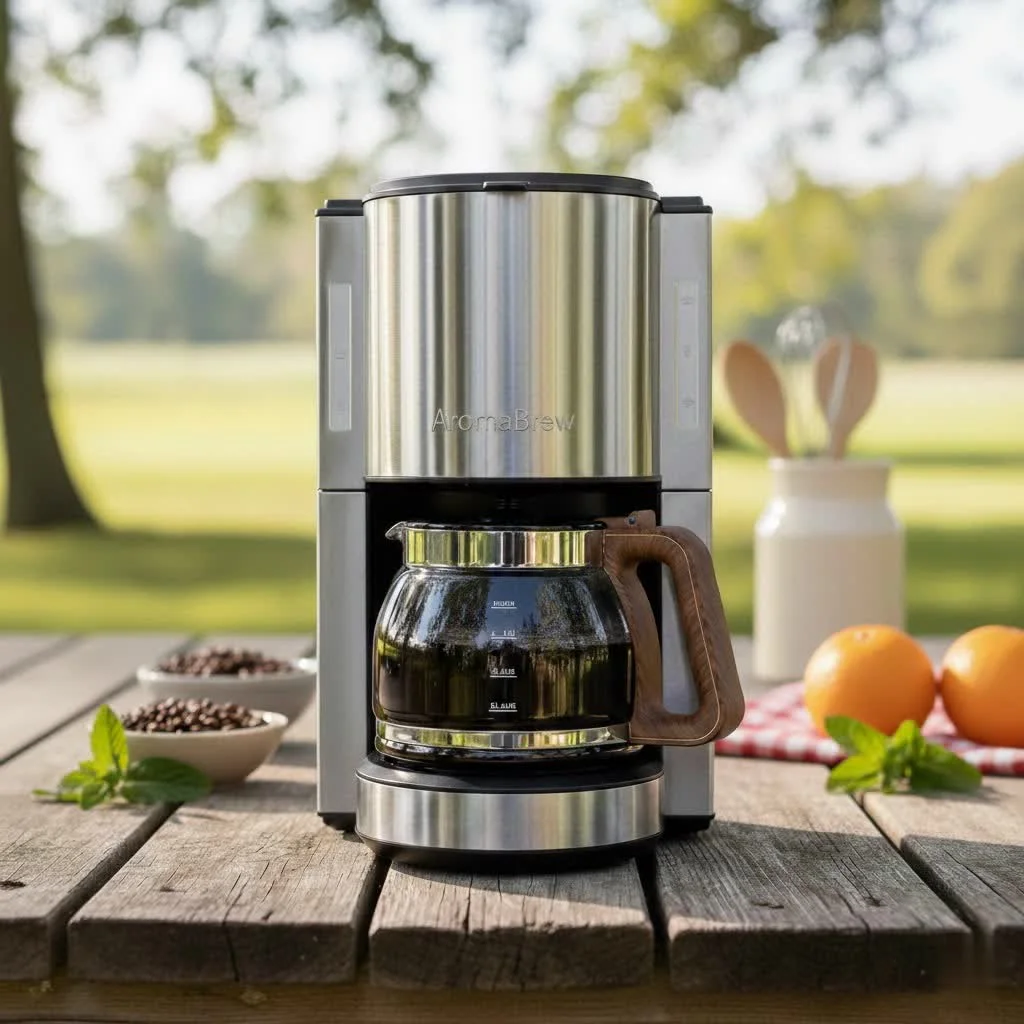
A cold brew coffee maker is an appliance designed to steep coffee grounds in cold or room-temperature water over an extended period, typically 12 to 24 hours. This immersion brewing process slowly extracts flavor and caffeine from the coffee without the heat-induced acidity and bitterness often associated with traditional hot brewing methods. The result is a concentrated coffee extract that is inherently less acidic, smoother, and possesses a naturally sweeter profile compared to its hot-brewed counterpart. For more coffee makers guides on this site.
The concept of cold brewing isn’t new; it has roots tracing back to the 17th century in Japan, where it was known as Kyoto-style coffee. Dutch traders are also credited with similar methods to produce coffee concentrate for long voyages. Modern cold brew coffee makers streamline this ancient process, making it accessible and convenient for home users to enjoy high-quality cold brew. They simplify what might otherwise be a messy or inconsistent manual process, ensuring a clearer, more flavorful outcome.
The market offers various types of cold brew coffee makers, each with unique advantages. Simple immersion systems, often consisting of a large jar with a mesh filter, are popular for their affordability and straightforward operation. Drip tower systems, inspired by traditional Kyoto brewers, allow water to slowly drip over grounds, producing a distinctively clear and nuanced brew. All-in-one electric cold brew makers are emerging, promising faster brewing times through agitation or pressure, blending convenience with modern technology.
Factors to Consider When Buying a Cold Brew Coffee Maker
Choosing the right cold brew coffee maker involves evaluating several key aspects to match your specific preferences and lifestyle. From the fundamental brewing mechanism to capacity and additional features, each element plays a crucial role in your overall coffee experience. Understanding these factors ensures you invest in a machine that truly meets your cold brewing needs.
Type of Cold Brew Maker
|
Our Picks for the Best Coffee Maker in 2026
As an Amazon Associate I earn from qualifying purchases.
|
||
| Num | Product | Action |
|---|---|---|
| 1 | Keurig K-Classic Single Serve K-Cup Pod Coffee Maker, Rhubarb |

|
| 2 | Keurig K-Express Single Serve Coffee Maker – Strong Brew Option, 42oz Reservoir, Sleek Design for Holiday Hosting & Gifting, Black |
|
| 3 | BLACK+DECKER CM1160W-1 CM1160W 12-Cup Programmable Coffeemaker, White/Stainless Steel |
|
| 4 | Hamilton Beach 2-Way Programmable Coffee Maker, 12 Cup Glass Carafe And Single Serve Coffee Maker, Black with Stainless Steel Accents, 49980RG |
|
| 5 | ALPHA LIVING 100 Cups Electric Coffee Urn – Stainless Steel Large Capacity Electric Kettle Percolator Coffee Pot – Ideal Hot Beverage Dispenser for Catering, Hotels, Restaurants –Leak-Proof Tap |
|
| 6 | 500ml Coffee Decanter Glass Drip Coffee Maker with Reusable Stainless Steel Filter and Grip for Home or Office |
|
| 7 | BLACK+DECKER 12-Cup Digital Coffee Maker, Programmable, Washable Basket Filter, Sneak-A-Cup, Auto Brew, Water Window, Keep Hot Plate, Black |
|
| 8 | Ninja 12-Cup Programmable Coffee Brewer, 2 Brew Styles, Adjustable Warm Plate, 60oz Water Reservoir, Delay Brew - Black/Stainless Steel |
|
| 9 | Keurig K-Classic Single Serve K-Cup Pod Coffee Maker, with 3 Brew Sizes, 48oz Removable Reservoir, Black |
|
| 10 | Hamilton Beach 2-Way Programmable Coffee Maker, 12 Cup Glass Carafe And Single Serve Coffee Maker, White with Stainless Steel Accents, 49933 |
|
The primary distinction among cold brew makers lies in their brewing mechanism. Immersion cold brew makers are the most common, where coffee grounds soak completely in water for an extended period. These are generally simple to use, produce a full-bodied concentrate, and are often very affordable. Drip cold brew makers, on the other hand, involve water slowly dripping over the grounds, resulting in a cleaner, often lighter-bodied cold brew with distinct flavor notes. Manual immersion systems are budget-friendly and require no power, while electric models might offer faster brewing or enhanced convenience. Consider your desired flavor profile, brewing time tolerance, and budget when deciding between these types.
Capacity
How much cold brew do you consume, and how often? The capacity of a cold brew coffee maker is crucial. Smaller models, typically producing 16-32 ounces, are ideal for individuals or couples who enjoy a cup or two daily. Larger makers, ranging from 64 ounces up to a gallon or more, are perfect for families, frequent entertainers, or those who prefer to brew in batches for the entire week. Remember that cold brew is a concentrate, so a larger capacity yields more servings when diluted. Selecting the appropriate size prevents you from constantly brewing or running out of your favorite concentrate.
Features
Modern cold brew coffee makers come with a range of features that can enhance convenience and control. Look for design elements like a built-in tap or dispenser for easy pouring, an airtight lid for effective storage of concentrate, and a robust filtration system to minimize sediment. Some models offer adjustable brew strength controls, while others prioritize durable materials like borosilicate glass or stainless steel. Automatic shut-off features on electric models, or clear measurement markings, can also simplify the brewing process. Prioritize features that align with your routine and desired level of involvement in the brewing process.
Brand and Price
The market for cold brew coffee makers includes both established kitchen appliance brands and specialized coffee equipment manufacturers. Reputable brands often offer better build quality, reliable customer support, and sometimes longer warranties. While high-end models might come with a steeper price tag, they often boast superior materials and advanced features. However, excellent value can also be found in mid-range options that balance quality and affordability. Researching brand reputation and reading reviews can help you gauge the expected durability and performance relative to the price point.
Ease of Use and Cleaning
A great cold brew coffee maker should simplify your coffee routine, not complicate it. Assess how straightforward the brewing process is: Does it require complex assembly, or is it ready to go? Equally important is the ease of cleaning. Look for models with easily removable parts, ideally those that are dishwasher safe. Complex filters or intricate designs can make cleaning a chore, potentially deterring you from regular use. A user-friendly design with minimal nooks and crannies will ensure a hygienic brewing environment and a hassle-free experience.
Comparing Popular Cold Brew Coffee Makers
When navigating the diverse landscape of cold brew coffee makers, understanding the distinctions between common types can help narrow your choice. Here’s a comparative overview of popular options, highlighting their typical characteristics across key metrics.
| Feature | Immersion Jar with Mesh Filter (e.g., Mason Jar Kits) | Standard Immersion Brewer (e.g., OXO Good Grips) | Drip Tower Cold Brewer (e.g., Yama Glass) | Automatic/Electric Cold Brewer (e.g., Cuisinart) |
|---|---|---|---|---|
| Price Range | Very Low ($15-$30) | Low to Mid ($30-$60) | High ($100-$300+) | Mid to High ($80-$150) |
| Ease of Use | Simple, but filtering can be messy | Very Easy, integrated filter | Advanced, requires precision | Very Easy, push-button operation |
| Brew Time | 12-24 hours | 12-24 hours | 3-8 hours | 25-45 minutes |
| Flavor Profile | Full-bodied, rich, often more sediment | Smooth, clean, good clarity | Clean, bright, nuanced | Consistent, often full-bodied |
| Capacity | Small to Medium | Small to Large | Small to Medium | Medium |
| Maintenance | Manual filter separation and cleaning | Easy to disassemble and clean | Manual, intricate glass components | Mostly easy, some electrical care |
| Portability | High | Medium | Low (fragile) | Low (requires power) |
This table offers a snapshot to guide your decision, but individual models within each category may vary.
Top Picks: Best Cold Brew Coffee Makers
Selecting a top-tier cold brew coffee maker can significantly enhance your home brewing. Here are three highly-regarded models that stand out for their performance, design, and user satisfaction, offering solutions for different needs and preferences.
OXO Good Grips Cold Brew Coffee Maker – Detailed Review
The OXO Good Grips Cold Brew Coffee Maker is a favorite for its intuitive design and consistent results. Its unique “rainmaker” lid ensures even saturation of grounds, promoting efficient extraction. The integrated brew-release switch allows for effortless draining of the concentrate into a glass carafe, minimizing mess. Users praise its compact footprint, making it suitable for smaller kitchens, and its easy-to-clean components. While it requires the standard 12-24 hour steeping time, its user-friendly features make the wait worthwhile, delivering a smooth, low-acid concentrate. The durable borosilicate glass and BPA-free plastic construction also inspire confidence in its longevity.
Toddy Cold Brew System – Detailed Review
For those seeking a classic, tried-and-true method, the Toddy Cold Brew System remains an industry benchmark. This non-electrical brewing system uses a unique cold water extraction process to produce a smooth, rich liquid concentrate for either hot or iced beverages. Its large capacity makes it ideal for brewing significant batches that can last for weeks. The Toddy system employs a special felt filter that traps sediment, resulting in an incredibly clean and flavorful concentrate. While it has a slightly longer brewing process (up to 24 hours) and requires manual pouring and filtering, its reputation for exceptional taste and simple, robust design keeps it a perennial top choice for cold brew aficionados.
Cuisinart Automatic Cold Brew Coffee Maker – Detailed Review
The Cuisinart Automatic Cold Brew Coffee Maker caters to those who value speed and convenience without sacrificing quality. Unlike traditional passive steeping methods, this electric model uses a spinning motion to circulate water through the coffee grounds, significantly reducing brew time to as little as 25-45 minutes. This acceleration means you can enjoy fresh cold brew much faster. It offers three strength options (mild, medium, bold) to customize your brew. The removable, stainless steel filter basket and glass carafe ensure easy cleanup. While it requires an electrical outlet, its ability to deliver delicious cold brew in under an hour makes it an excellent choice for busy households or those with spontaneous cold brew cravings.
How to Use and Maintain Your Cold Brew Coffee Maker
Mastering the use and maintenance of your cold brew coffee maker is key to consistently brewing delicious coffee and extending the life of your appliance. A few simple steps can make all the difference.
To use most cold brew coffee makers, start with coarse-ground coffee beans. The coarse grind is crucial to prevent over-extraction and minimize sediment. For immersion brewers, combine your coffee grounds with cold, filtered water in the recommended ratio (often 1:4 to 1:8 coffee to water by weight). Ensure all grounds are fully saturated. Let the mixture steep at room temperature or in the refrigerator for 12 to 24 hours. For drip systems, fill the water reservoir and adjust the drip rate as per instructions, allowing water to slowly extract through the grounds. Once brewing is complete, separate the concentrate from the grounds using the maker’s built-in filter or a separate straining method. Dilute your concentrate with water, milk, or ice to your preferred strength.
Proper maintenance is vital for hygiene and longevity. After each use, thoroughly clean all components that come into contact with coffee. Most filters, carafes, and brew chambers are dishwasher safe or can be washed with warm, soapy water. Pay special attention to mesh filters to ensure no coffee residue remains, as this can affect future brew flavors. For electric models, ensure the base unit is wiped clean but never submerged in water. Periodically, especially in areas with hard water, consider descaling your cold brew coffee maker to remove mineral buildup that can affect performance and taste.
Common issues include a weak brew, which often indicates insufficient steeping time or too coarse a grind. Conversely, a bitter brew might mean too fine a grind or over-extraction. If you notice excessive sludge, your filter might be compromised, or your grind is too fine. Leaks can usually be traced to improper assembly or worn seals; always check that all parts are securely in place before brewing. Addressing these minor issues promptly will keep your cold brew experience smooth and enjoyable.
Conclusion
Embracing a cold brew coffee maker opens up a world of smooth, low-acid coffee possibilities, transforming your daily caffeine routine. Whether you prioritize simplicity, speed, or a classic brewing experience, there’s a perfect cold brew maker out there to match your preferences. By considering factors like the type of maker, capacity, and essential features, you can make an informed decision that elevates your coffee journey. With the right cold brew coffee maker, you’re not just brewing coffee; you’re crafting an experience, one delicious, smooth sip at a time. What are you waiting for to upgrade your coffee game?
Frequently Asked Questions
How long does cold brew coffee concentrate typically last?
Cold brew coffee concentrate, when stored in an airtight container in the refrigerator, can typically last for up to two weeks. Its low acidity helps preserve its flavor and freshness longer than hot-brewed coffee.
What’s the best type of coffee grind for cold brew?
For cold brew, a coarse grind is generally recommended. This prevents over-extraction, which can lead to bitterness, and helps in easier filtration, reducing the amount of sediment in your final concentrate. Think of a consistency similar to sea salt.
Can I use any type of coffee beans for cold brew?
Yes, you can use any type of coffee beans for cold brew, but darker roasts often yield a richer, smoother flavor profile. Experiment with your favorite beans to discover which ones produce the most pleasing cold brew for your palate.
Is cold brew coffee healthier than regular hot coffee?
Cold brew coffee is often considered gentler on the stomach due to its significantly lower acidity. While the caffeine content can be higher in the concentrate, diluting it brings it closer to regular coffee. It’s largely a matter of personal preference and digestive comfort.
What is the ideal water-to-coffee ratio for making cold brew concentrate?
A common and widely recommended starting point for the water-to-coffee ratio for cold brew concentrate is between 1:4 and 1:8 by weight. For example, 1 part coffee grounds to 4 parts water. This creates a strong concentrate that can be diluted later to your liking.
Get our weekly buyer guide
Practical specs, not advice. Unsubscribe anytime.
