Are you tired of settling for mediocre coffee and dreaming of barista-quality brews at home? The journey to your perfect cup often begins with a fundamental choice: a coffee maker or an espresso machine. For many coffee enthusiasts, understanding the distinct characteristics, brewing methods, and resulting flavor profiles of these popular appliances is the first crucial step. This comprehensive guide will navigate you through the world of coffee makers and espresso machines, helping you identify the ideal machine to match your preferences, lifestyle, and budget.
Overview of Coffee Makers and Espresso Machines
At their core, both coffee makers and espresso machines are designed to extract flavorful compounds from ground coffee beans using hot water. However, their methods and results are dramatically different, leading to vastly different beverages. For explore our coffee makers reviews on this site.
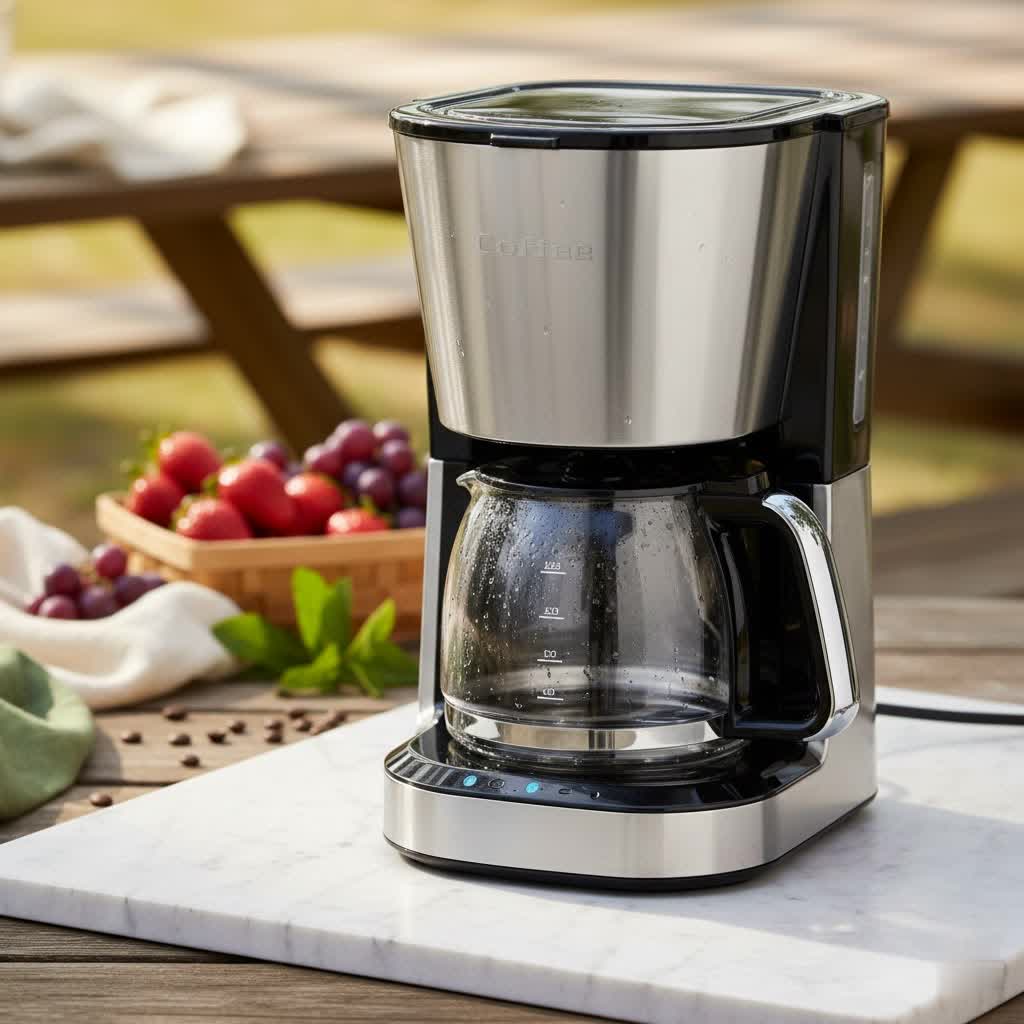
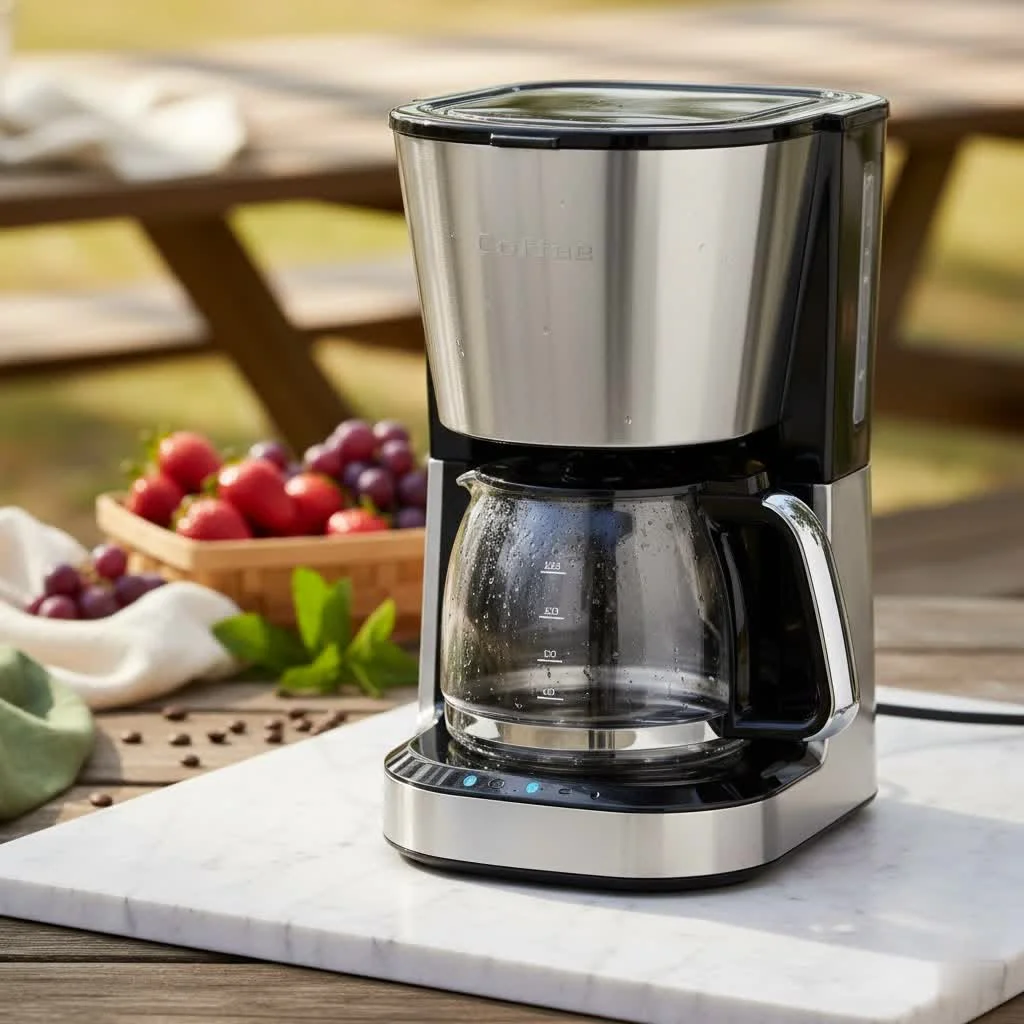
A coffee maker, often referred to as a drip coffee maker, typically brews a milder, more straightforward cup of coffee. These machines rely on gravity, slowly dripping hot water over a bed of coarser coffee grounds in a filter. The process is generally hands-off and produces larger quantities, perfect for households that enjoy multiple cups throughout the day or for serving guests.
An espresso machine, on the other hand, specializes in crafting a rich, concentrated shot of espresso. This is achieved by forcing a small amount of nearly boiling water through very finely ground coffee beans under high pressure. The rapid, high-pressure extraction creates a bold, intense flavor with a signature layer of reddish-brown foam called crema, forming the base for numerous beloved coffeehouse drinks like lattes, cappuccinos, and macchiatos.
The history of coffee brewing devices spans centuries, evolving from simple pots to complex automated systems. The modern drip coffee maker gained popularity in the mid-20th century for its convenience, while the first true espresso machine emerged in Italy in the early 1900s, revolutionizing coffee culture with its quick, potent brews. Today, advancements continue to offer more control, convenience, and variety than ever before.
Types of Coffee Makers and Espresso Machines
The market offers a diverse range of machines, each with unique characteristics catering to different tastes and routines.
Popular Coffee Maker Types
- Drip Coffee Makers: These are the most common type, valued for their simplicity and ability to brew large batches. Water is heated and then dripped over coffee grounds, flowing through a filter into a carafe. Many models include programmable timers, auto shut-off features, and brew strength controls.
- Pod/Capsule Coffee Machines: Designed for ultimate convenience, these machines brew single servings using pre-packaged coffee pods or capsules. They are known for quick brewing and minimal cleanup, although the coffee quality can vary. Brands like Nespresso are prominent in this category.
- French Press: A manual brewing method that immerses coarsely ground coffee in hot water, then separates the grounds from the liquid using a plunger with a mesh filter. This method yields a full-bodied, rich coffee with more sediment.
- Pour-Over Coffee Makers: Another manual method, similar to drip brewing but offering more control. Hot water is slowly poured over coffee grounds in a cone filter, allowing for precise saturation and extraction, resulting in a clean, nuanced cup.
- Moka Pot (Stovetop Espresso Maker): While often called “stovetop espresso,” it produces strong, concentrated coffee through steam pressure, not true espresso machine pressure. It’s an affordable way to get a robust, espresso-like beverage.
Popular Espresso Machine Types
|
Our Picks for the Best Coffee Maker in 2026
As an Amazon Associate I earn from qualifying purchases.
|
||
| Num | Product | Action |
|---|---|---|
| 1 | BLACK+DECKER CM1160W-1 CM1160W 12-Cup Programmable Coffeemaker, White/Stainless Steel |

|
| 2 | Hamilton Beach 2-Way Programmable Coffee Maker, 12 Cup Glass Carafe And Single Serve Coffee Maker, Black with Stainless Steel Accents, 49980RG |
|
| 3 | Keurig K-Express Single Serve Coffee Maker – Strong Brew Option, 42oz Reservoir, Sleek Design for Holiday Hosting & Gifting, Black |
|
| 4 | ALPHA LIVING 100 Cups Electric Coffee Urn – Stainless Steel Large Capacity Electric Kettle Percolator Coffee Pot – Ideal Hot Beverage Dispenser for Catering, Hotels, Restaurants –Leak-Proof Tap |
|
| 5 | Hamilton Beach 2-Way Programmable Coffee Maker, 12 Cup Glass Carafe And Single Serve Coffee Maker, White with Stainless Steel Accents, 49933 |
|
| 6 | BLACK+DECKER 12-Cup Digital Coffee Maker, Programmable, Washable Basket Filter, Sneak-A-Cup, Auto Brew, Water Window, Keep Hot Plate, Black |
|
| 7 | Ninja 12-Cup Programmable Coffee Brewer, 2 Brew Styles, Adjustable Warm Plate, 60oz Water Reservoir, Delay Brew - Black/Stainless Steel |
|
| 8 | Keurig K-Classic Single Serve K-Cup Pod Coffee Maker, Rhubarb |
|
| 9 | 500ml Coffee Decanter Glass Drip Coffee Maker with Reusable Stainless Steel Filter and Grip for Home or Office |
|
| 10 | Keurig K-Classic Single Serve K-Cup Pod Coffee Maker, with 3 Brew Sizes, 48oz Removable Reservoir, Black |
|
- Manual Espresso Machines (Lever Machines): These require the most skill and effort. The user manually pulls a lever to force hot water through the coffee grounds, controlling the pressure. They offer immense control but have a steep learning curve.
- Semi-Automatic Espresso Machines: These machines provide pressurized water and heat, but the user controls the duration of the espresso shot. They offer a balance of automation and control, allowing for customization while still requiring some barista skill. Many home enthusiasts prefer semi-automatic models for their flexibility.
- Automatic Espresso Machines: Building on semi-automatics, these machines automate the shot length, usually based on pre-set volume. You press a button, and the machine brews and stops the shot automatically.
- Super-Automatic Espresso Machines (Bean-to-Cup): These machines handle almost every step, from grinding whole beans to tamping and brewing, and often include milk frothing. They offer maximum convenience but typically provide less control over specific brewing parameters, sometimes compromising shot quality for ease of use.
Factors to Consider When Buying a Coffee Maker or Espresso Machine (Buying Guide)
Choosing the right machine is a personal decision, influenced by your coffee preferences, lifestyle, and budget. Here’s a detailed guide to help you.
Type of Coffee Maker
Deciding between a coffee maker and an espresso machine, and then selecting a specific type, is paramount.
- Drip Coffee Makers: Pros: Easy to use, affordable, brews large quantities, programmable features. Cons: Less concentrated flavor, limited drink variety. Best for: Everyday coffee drinkers, offices, families needing multiple cups.
- Pod/Capsule Machines: Pros: Convenient, fast, easy cleanup, consistent results. Cons: Higher recurring cost for pods, environmental waste, less control over brewing, limited flavor customization. Best for: Quick, single-serve coffee, minimal effort.
- French Press/Pour-Over: Pros: Full-bodied flavor (French Press), nuanced taste (Pour-Over), portable, no electricity needed (French Press). Cons: Manual effort, longer brew time, cleanup. Best for: Coffee aficionados who enjoy the brewing ritual.
- Espresso Machines (Semi-Automatic/Automatic): Pros: Produces rich, concentrated espresso, versatile for specialty drinks, allows for skill development. Cons: More expensive, higher learning curve (semi-automatic), requires fine grind and tamping tools, more maintenance. Best for: Those who love espresso-based drinks, want to explore barista skills.
- Super-Automatic Espresso Machines: Pros: Ultimate convenience, bean-to-cup functionality, often includes milk frothing. Cons: Very expensive, less control over espresso extraction, harder to clean thoroughly, potential for complex repairs. Best for: Busy individuals wanting café-style drinks with minimal effort.
Capacity
Consider how much coffee you typically consume and how often.
- Drip Coffee Makers: Available in various sizes, from 4-cup to 14-cup carafes, suitable for individuals, couples, or large families/offices.
- Espresso Machines: Typically brew 1-2 shots (1-2 ounces) at a time. Reservoir capacity varies, impacting how often you need to refill. Smaller machines may have 70-ounce reservoirs, while larger ones can hold over 100 ounces.
Features
Modern coffee appliances come packed with features designed to enhance your brewing experience.
- Programmable Timer: Allows you to set your machine to brew at a specific time, so your coffee is ready when you wake up.
- Auto Shut-Off: A safety feature that turns off the machine after a period of inactivity.
- Brew Strength Control: Adjusts the brewing process for a milder or bolder cup of drip coffee.
- Integrated Grinder: Super-automatic espresso machines often include a built-in grinder for fresh beans, while some high-end drip makers also offer this.
- Milk Frother/Steamer: Essential for espresso lovers who enjoy lattes, cappuccinos, or flat whites. These can be manual steam wands, automatic frothers, or integrated systems.
- PID (Proportional-Integral-Derivative) Temperature Control: Crucial for espresso machines, a PID controller maintains and allows precise adjustment of water temperature, vital for consistent espresso extraction.
- Boiler Configuration: Espresso machines can have single boilers (brew and steam using the same boiler, but not simultaneously), heat exchangers (can brew and steam almost simultaneously), or dual boilers (separate boilers for brewing and steaming, offering the best temperature stability and steaming power).
- Pressure Profiling/Flow Control: Advanced features on high-end espresso machines that allow users to manipulate water pressure and flow during extraction, offering unparalleled control over the espresso shot.
- Water Filtration: Many machines include built-in filters in the reservoir to improve water taste and prevent scale buildup. External filtration systems are also an option for direct-plumbed machines.
Brand and Price
The price of coffee makers and espresso machines can range from under $50 for basic drip models to several thousand dollars for high-end super-automatic espresso machines.
- Coffee Maker Brands: Popular and reliable brands for drip coffee makers include Cuisinart, Mr. Coffee, Hamilton Beach, and Technivorm Moccamaster (for high-end drip).
- Espresso Machine Brands: Breville, De’Longhi, Gaggia, Rancilio, Rocket Espresso, and La Marzocco are well-regarded. Breville often receives accolades for reliability and performance in home espresso machines.
- Budget vs. Quality: While cheaper models may suffice for basic needs, investing more typically yields better build quality, durability, and a wider range of features, especially for espresso machines. Consider ongoing costs for pods, filters, and maintenance.
Ease of Use and Cleaning
Regular cleaning is vital for both coffee quality and machine longevity.
- Ease of Use: Drip and pod machines are generally the easiest to use, often with one-touch operation. Manual and semi-automatic espresso machines require more user involvement and skill.
- Cleaning: Look for machines with removable water tanks, drip trays, and brew groups (especially in super-automatics) for easy cleaning. Descaling (removing mineral buildup) is a critical maintenance task, particularly for espresso machines, and some models have indicators or automated cycles. Espresso machines with milk systems require daily cleaning of steam wands or frothing components to prevent bacterial growth and blockages.
Comparison Table: Drip Coffee Maker vs. Espresso Machine
| Feature | Drip Coffee Maker | Espresso Machine |
|---|---|---|
| Brewing Method | Gravity-fed, hot water drips through grounds | High-pressure extraction of hot water through finely ground coffee |
| Coffee Grind | Medium to Coarse | Very Fine |
| Brewing Time | 5-10 minutes (for a full pot) | 25-30 seconds per shot |
| Flavor Profile | Smooth, milder, often lighter body | Bold, intense, concentrated, rich crema |
| Caffeine | Lower per ounce, but a full cup can have more total | Higher per ounce, but smaller serving size |
| Drink Variety | Primarily black coffee, can add milk/sugar | Espresso shots, lattes, cappuccinos, macchiatos, Americanos |
| Cost | Generally $30 – $300 | Generally $150 – $3000+ |
| Ease of Use | Very easy, often one-touch | Varies (manual > semi-auto > auto > super-auto), can require skill |
| Maintenance | Regular cleaning, occasional descaling | Daily cleaning, frequent descaling, backflushing |
| Accessories | Filters, carafe | Grinder, tamper, milk pitcher, knock box, specialty cups |
Top Picks: Popular Coffee Maker and Espresso Machine Models
While specific models constantly evolve, certain types and brands consistently receive high marks for quality, features, and user satisfaction.
Breville Barista Express – A Solid All-in-One Espresso Machine
The Breville Barista Express is a popular choice for aspiring home baristas. It combines a semi-automatic espresso machine with a built-in conical burr grinder, allowing users to grind fresh beans directly into the portafilter. It offers excellent control over grind size and dose, along with precise temperature control (PID) and a powerful steam wand for milk frothing. Its balance of features, performance, and relatively accessible price point makes it an outstanding entry into home espresso.
De’Longhi All-in-One Coffee and Espresso Maker – Versatile Combo
For those who enjoy both traditional drip coffee and espresso-based drinks, a combination machine like the De’Longhi All-in-One is an excellent solution. This appliance typically features separate brewing systems for drip coffee and espresso, allowing you to prepare different beverages simultaneously or consecutively. It offers convenience and saves counter space by combining two essential functions into one unit.
Technivorm Moccamaster – The Gold Standard for Drip Coffee
If your primary focus is consistently exceptional drip coffee, the Technivorm Moccamaster is often hailed as a top performer. Hand-built in the Netherlands, these machines are known for their precise brewing temperature (between 196°F and 205°F), fast brewing time, and ability to extract rich, flavorful coffee. They are incredibly durable and come with long warranties, making them a worthwhile investment for drip coffee enthusiasts.
How to Use and Maintain Your Coffee Maker or Espresso Machine
Proper use and maintenance are crucial for ensuring the longevity of your machine and the quality of your coffee.
General Usage Tips
- Use Fresh, Quality Beans: This is the single most impactful factor for delicious coffee. Grind beans just before brewing for optimal flavor.
- Use Filtered Water: Tap water often contains minerals that can affect taste and lead to scale buildup in your machine. Filtered water improves both.
- Measure Accurately: Use a scale to measure your coffee grounds and water precisely for consistent results.
- Preheat: For espresso machines, ensure your portafilter and cups are preheated to prevent temperature loss and ensure proper extraction.
Maintenance Tips for Coffee Makers
- Daily Cleaning: Rinse the carafe and filter basket after each use. Wipe down the exterior.
- Weekly Cleaning: Deep clean the filter basket and carafe. Run a cycle with water and white vinegar (or a descaling solution) to clean internal components.
- Monthly Descaling: Depending on your water hardness, descale your machine monthly or quarterly to remove mineral buildup, which can affect heating and flow.
Maintenance Tips for Espresso Machines
- Daily Cleaning:
- Portafilter and Basket: Knock out spent grounds, rinse thoroughly.
- Group Head: “Backflush” with a blind basket and espresso machine cleaner to remove coffee oils. Brush the group head screen.
- Steam Wand: Purge immediately after each use and wipe with a damp cloth to prevent milk residue from hardening.
- Weekly Cleaning: Perform a more thorough backflush with a cleaning detergent.
- Monthly/Quarterly Descaling: Descale your machine as recommended by the manufacturer, typically every 1-3 months, using a dedicated descaling solution. This is vital for preventing blockages and maintaining performance.
- Gasket and Screen Replacement: Periodically inspect and replace the group head gasket and shower screen, usually annually or biannually, depending on usage.
Common Issues and Troubleshooting
- Coffee Tastes Bitter/Sour: For espresso, this could indicate over-extraction (too fine a grind, too long a shot) or under-extraction (too coarse a grind, too short a shot). For drip, it might be water temperature or old grounds.
- Machine Not Brewing/Slow Flow: Often caused by mineral buildup. Descale your machine. For espresso, a clogged group head or portafilter can also be the culprit.
- Weak Coffee: Check your coffee-to-water ratio. Ensure your grind size is appropriate for your brewing method.
- Poor Steaming: Clogged steam wand tip is common. Clean the tip with a pin. Ensure your machine is reaching adequate steam pressure.
> “The secret to truly great coffee isn’t just about the beans; it’s about understanding your machine and treating it well. Regular maintenance is a small investment for consistently delicious results.” – Jane Smith, Coffee Equipment Specialist
Conclusion
Choosing between a coffee maker and an espresso machine, or even a versatile combination, is a significant decision for any coffee lover. While drip coffee makers offer convenience and volume for traditional black coffee, espresso machines unlock a world of concentrated flavors and specialty drinks, often requiring more engagement and precision. By considering your preferences for flavor, desired drink types, daily routine, budget, and willingness to engage with the brewing process, you can confidently select the perfect coffee companion. From the robust efficiency of a drip brewer to the nuanced artistry of an espresso machine, the right appliance elevates your daily ritual. Which path will you choose to brew your ultimate cup?
Frequently Asked Questions
Can I make espresso in a regular coffee maker?
No, a regular drip coffee maker cannot produce true espresso. Espresso requires high pressure (typically 9 bars) to force water through finely ground coffee, which a drip coffee maker, relying on gravity, cannot achieve. While a Moka pot can produce a strong, concentrated coffee, it is not technically espresso.
What is the ideal grind size for coffee makers versus espresso machines?
Espresso machines require a very fine, powder-like grind to allow for proper high-pressure extraction and the formation of crema. Drip coffee makers, on the other hand, use a medium to coarse grind, which allows water to flow through at a slower rate for optimal flavor extraction without over-extraction.
How often should I descale my coffee maker or espresso machine?
The frequency of descaling depends on your water hardness and how often you use your machine. Generally, it’s recommended to descale every 1-3 months. Using filtered water can help reduce mineral buildup and extend the time between descaling cycles.
Are “coffee and espresso machine combos” worth it?
Combo machines offer convenience and save counter space by combining two functions in one unit. They can be a good option if you regularly enjoy both drip coffee and espresso. However, dedicated machines often offer superior performance for their specific brewing method compared to an all-in-one unit, particularly at higher price points.
Get our weekly buyer guide
Practical specs, not advice. Unsubscribe anytime.
