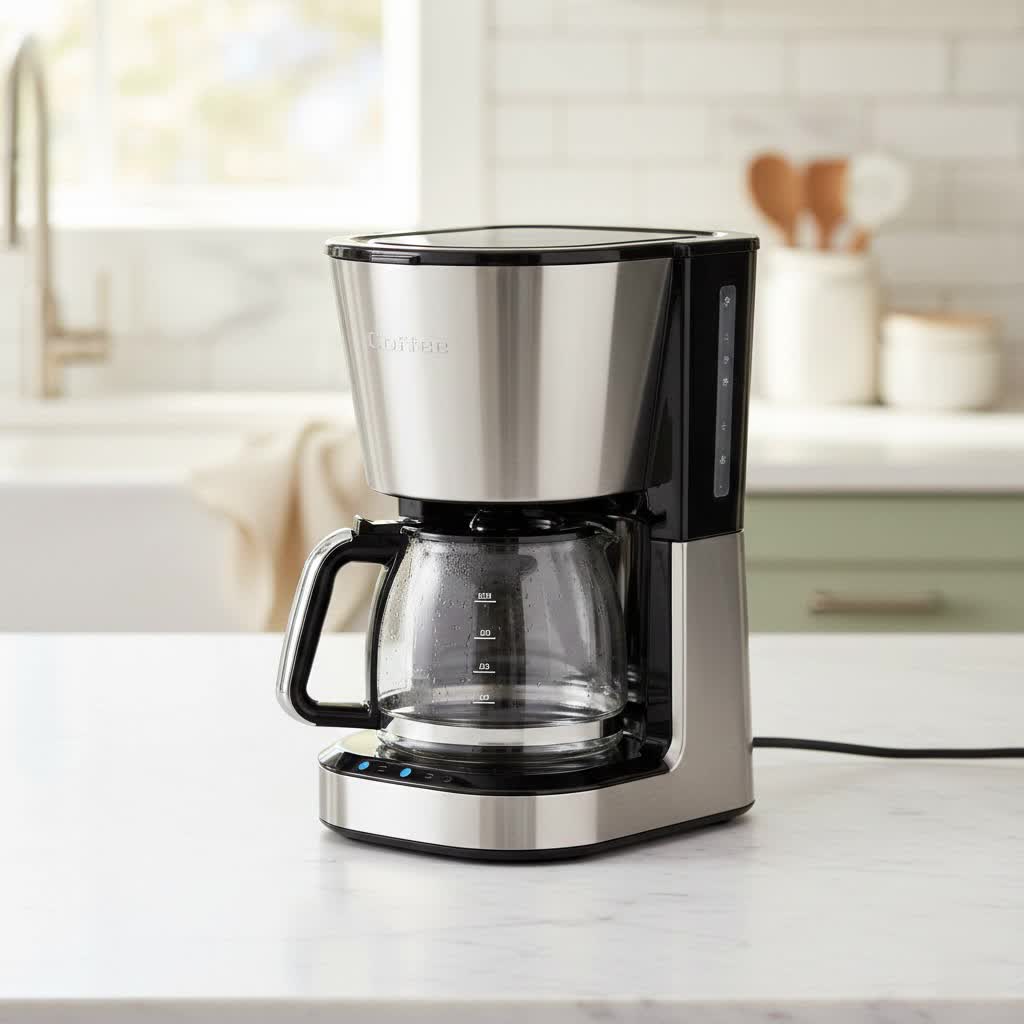
In our fast-paced world, the aroma of freshly brewed coffee is a simple pleasure that many of us crave, often without the time for elaborate preparations. This desire for convenience transformed the coffee landscape, and at the forefront of this revolution stands the Keurig one-cup coffee maker. These compact, efficient machines have become a staple in kitchens, dorm rooms, and offices worldwide, promising a perfect, personalized brew with minimal fuss. But with a myriad of models and features, choosing the right Keurig can be as complex as selecting your favorite roast. This comprehensive guide will navigate you through the world of Keurig one-cup coffee makers, helping you understand their evolution, key features, top models, and essential maintenance, ensuring you brew your ideal cup every single time.
Overview of Keurig One-Cup Coffee Makers
A Keurig one-cup coffee maker, often referred to as a single-serve brewer, is designed to prepare a single serving of coffee, tea, hot cocoa, or other beverages using pre-portioned pods, most famously the K-Cup. The system works by puncturing the pod, forcing hot water through the grounds inside, and dispensing the brewed beverage directly into your cup. This streamlined process eliminates grinding beans, measuring grounds, and dealing with messy filters, making fresh coffee accessible in moments. For browse all coffee makers articles on this site.
Keurig, Inc. pioneered this pod-based system, launching its first commercial brewers in 1998 and introducing home brewers in 2004. The brand quickly became synonymous with single-serve coffee, fundamentally changing how many people consume their daily caffeine. Its rapid growth was fueled by the unparalleled convenience and the vast selection of K-Cup varieties available, from major coffee brands to specialty roasters.
Today, the market offers a diverse range of Keurig one-cup coffee makers, categorized broadly into basic, advanced, and specialty models. Basic models, such as the K-Mini, focus on simplicity and space-saving design, ideal for individuals with straightforward coffee preferences. Advanced machines, like the K-Elite or K-Supreme, introduce enhanced customization options, larger water reservoirs, and innovative brewing technologies. For those seeking even more versatility, specialty models like the K-Café or K-Duo lines expand capabilities to include features like milk frothing or the ability to brew full carafes alongside single cups.
Factors to Consider When Buying a Keurig One-Cup Coffee Maker
Selecting the perfect Keurig one-cup coffee maker requires evaluating your individual coffee habits, kitchen space, and desired features. By considering these factors, you can narrow down the options and find a machine that truly enhances your daily routine.
Keurig Model Type
|
Our Picks for the Best Coffee Maker in 2026
As an Amazon Associate I earn from qualifying purchases.
|
||
| Num | Product | Action |
|---|---|---|
| 1 | Keurig K-Express Single Serve Coffee Maker – Strong Brew Option, 42oz Reservoir, Sleek Design for Holiday Hosting & Gifting, Black |

|
| 2 | Keurig K-Classic Single Serve K-Cup Pod Coffee Maker, with 3 Brew Sizes, 48oz Removable Reservoir, Black |
|
| 3 | BLACK+DECKER 12-Cup Digital Coffee Maker, Programmable, Washable Basket Filter, Sneak-A-Cup, Auto Brew, Water Window, Keep Hot Plate, Black |
|
| 4 | ALPHA LIVING 100 Cups Electric Coffee Urn – Stainless Steel Large Capacity Electric Kettle Percolator Coffee Pot – Ideal Hot Beverage Dispenser for Catering, Hotels, Restaurants –Leak-Proof Tap |
|
| 5 | Hamilton Beach 2-Way Programmable Coffee Maker, 12 Cup Glass Carafe And Single Serve Coffee Maker, White with Stainless Steel Accents, 49933 |
|
| 6 | Ninja 12-Cup Programmable Coffee Brewer, 2 Brew Styles, Adjustable Warm Plate, 60oz Water Reservoir, Delay Brew - Black/Stainless Steel |
|
| 7 | Keurig K-Classic Single Serve K-Cup Pod Coffee Maker, Rhubarb |
|
| 8 | Hamilton Beach 2-Way Programmable Coffee Maker, 12 Cup Glass Carafe And Single Serve Coffee Maker, Black with Stainless Steel Accents, 49980RG |
|
| 9 | BLACK+DECKER CM1160W-1 CM1160W 12-Cup Programmable Coffeemaker, White/Stainless Steel |
|
| 10 | 500ml Coffee Decanter Glass Drip Coffee Maker with Reusable Stainless Steel Filter and Grip for Home or Office |
|
Keurig brewers come in various designs, each catering to different needs. Understanding the distinctions between basic, advanced, and specialty models is crucial.
- Basic Models: These are the entry-level options, prioritizing affordability and a compact footprint. Models like the Keurig K-Mini or K-Express are perfect for small kitchens, dorm rooms, or individuals who drink one cup a day and appreciate a straightforward, one-button operation. They typically have smaller water reservoirs, sometimes requiring a refill for each brew, and offer fewer customization options.
- Advanced Models: For those seeking more control and features, advanced Keurigs like the K-Elite or K-Supreme deliver. These machines often boast larger water reservoirs, multiple brew sizes, strength control, and sometimes even iced coffee settings. The K-Supreme series, for instance, features MultiStream Technology designed for more even saturation of coffee grounds, leading to a bolder flavor.
- Specialty Models: If your coffee preferences extend beyond a simple black cup, specialty models are designed for you. The Keurig K-Café series includes integrated milk frothers for lattes and cappuccinos, along with a “shot” mode for concentrated coffee. The Keurig K-Duo line provides the flexibility of brewing single K-Cups or an entire carafe of ground coffee, ideal for households with varied needs or when entertaining.
Capacity and Brew Sizes
The size of the water reservoir and the available brew sizes significantly impact convenience. Keurig reservoirs typically range from 40 to 90 ounces, determining how many cups you can brew before refilling. A larger reservoir, found in models like the K-Elite (75 ounces) or K-Supreme (66-78 ounces), is beneficial for busy households or offices, as it minimizes the frequency of refills. Single-serve models offer various brew sizes, commonly 6, 8, 10, or 12 ounces. More size options provide greater control over the strength and quantity of your coffee. For example, the K-Classic offers three sizes (6, 8, 10 ounces), while the K-Elite expands this range to 4-12 ounces.
Features and Customization
Modern Keurig coffee makers come equipped with a host of features designed to enhance your brewing experience.
- Strong Brew Option: Many models include a “Strong” button that adjusts the brewing process for a more intense flavor.
- Iced Coffee Setting: Certain Keurigs, like the K-Elite or K-Supreme, have an “Over Ice” feature that brews coffee at a lower temperature to minimize ice melt and prevent dilution.
- Temperature Control: Some advanced models, such as the K-Supreme Plus Smart, offer adjustable temperature settings, allowing you to fine-tune your brew to your preference.
- Programmable Timer: Convenient for scheduling your coffee to be ready at a specific time, a feature often found in K-Duo models.
- Milk Frother: Built-in or bundled frothers, notably with the K-Café machines, enable you to create lattes and cappuccinos at home.
- MultiStream Technology: Introduced in the K-Supreme series, this technology uses multiple streams of water to saturate the coffee grounds more evenly, which advocates say extracts more flavor. According to Riley Westbrook, co-founder of Valor Coffee, “Many machines just blast it straight through the middle, thus skipping most of the coffee grounds, which often ends with a sour taste at the onset and a watery taste in the end. Some of the best machines use multiple streams (or much wider spray heads) to cover the coffee better, and it does make a difference.”
- Smart Features/BrewID: The K-Café SMART connects to Wi-Fi, allowing remote brewing via an app or voice assistants and features BrewID, which recognizes your K-Cup and suggests optimal brew settings.
- Auto Shut-off: A common energy-saving feature that turns off the machine after a period of inactivity.
- Removable Drip Tray: Essential for accommodating taller travel mugs.
- Water Filter Compatibility: Some models can use water filters to improve coffee taste and reduce mineral buildup.
Brand Reputation and Price
Keurig is a dominant player in the single-serve coffee market, known for its consistent quality and convenience. Prices for Keurig one-cup coffee makers generally range from around $50 for basic models like the K-Mini to over $200 for advanced or specialty machines. It’s important to align your budget with the features you truly need. All Keurig brewers come with a limited one-year warranty covering issues arising from general home use.
Ease of Use and Cleaning
A key appeal of Keurig machines is their simplicity. Most offer intuitive, one-button operation. However, the ease of cleaning varies by model. Look for machines with removable water reservoirs and drip trays for easier maintenance. Descaling, a process to remove mineral buildup, is crucial for longevity and performance and should be done every three to six months. Most models are not dishwasher safe and require hand washing. The compatibility with reusable K-Cup filters, such as the “My K-Cup,” allows you to use your preferred ground coffee, reducing waste and cost.
Comparing Popular Keurig One-Cup Coffee Maker Models
With so many models available, understanding the nuances of each popular Keurig one-cup coffee maker can help you make an informed decision.
-
Keurig K-Mini: This model is the undisputed champion for budget-conscious users and small spaces. Its ultra-slim design and one-button operation make it incredibly simple. However, it requires you to add water for each brew (12-ounce capacity) and lacks advanced features like strength control or a large reservoir. Users sometimes report it can be noisy and brew a bit slower than other models.
-
Keurig K-Classic: A fan favorite for its reliability and fast brewing, the K-Classic offers a straightforward experience with minimal fuss. It brews 6, 8, or 10-ounce cups, has a 48-ounce reservoir, and an auto-off feature. It’s a durable workhorse, perfect for those who want a quick, consistent cup of black coffee without many frills.
-
Keurig K-Elite: Often cited as a top overall pick, the K-Elite strikes a great balance between features and ease of use. It provides multiple brew sizes (4-12 ounces), a strong brew option, a large 75-ounce water reservoir, and even an iced coffee setting. Its programmable timer adds convenience, allowing you to wake up to a fresh brew. While the iced coffee can sometimes be watery, its versatility makes it suitable for many users.
-
Keurig K-Supreme / K-Supreme Plus: These models stand out with MultiStream Technology, aiming for better flavor extraction. They offer customizable strength and temperature settings, an iced coffee option, and a sleek design with a dual-position water tank for flexible counter placement. The K-Supreme Plus further refines this with more settings and user profiles. Some users report slower brew times for the Plus model and occasional issues after descaling the K-Supreme.
-
Keurig K-Café / K-Café SMART: If lattes and cappuccinos are your passion, the K-Café series is designed for you. It features a built-in milk frother and a “shot” mode for concentrated coffee (though not true espresso). The K-Café SMART adds Wi-Fi connectivity and BrewID for smart brewing. While versatile, it has a larger footprint, and the smart features can be complex to set up.
-
Keurig K-Duo / K-Duo Essentials / K-Duo Plus: For those who need both a single cup and a full pot, the K-Duo line offers dual functionality, brewing K-Cups or ground coffee into a carafe. They often include programmable timers and a “Pause & Pour” feature. The K-Duo Plus is notable for its adjustable water tank position and durable thermal carafe. Some K-Duo models have been reported to have issues with the carafe leaking or single-serve brewing being less impressive than the carafe function.
How to Use and Maintain Your Keurig One-Cup Coffee Maker
Proper usage and regular maintenance are key to ensuring your Keurig one-cup coffee maker consistently delivers delicious coffee and enjoys a long lifespan.
Getting Started
Upon unboxing your new Keurig, it’s recommended to clean it with warm, soapy water and then run a few hot water cycles without a K-Cup. This primes the machine and flushes out any manufacturing residue. Then, fill the water reservoir to the maximum fill line with fresh, filtered water. Keurig generally recommends against using distilled water, as it lacks minerals that some sensors need to function correctly.
Brewing Your Perfect Cup
Brewing with a Keurig is incredibly straightforward:
- Fill the Water Reservoir: Ensure there’s enough water for your desired brew size.
- Insert a K-Cup Pod: Lift the handle, place a K-Cup into the holder, and close the handle.
- Select Brew Size (and Strength/Temperature, if available): Choose your preferred cup size and any additional settings like “Strong Brew” or temperature.
- Press the Brew Button: Your coffee will begin brewing shortly. Most single cups are ready in under two minutes.
Essential Maintenance Tips
Regular cleaning and descaling are vital for your Keurig’s performance and hygiene.
- Regular Cleaning:
- Weekly: Wipe down the exterior, wash the water reservoir (if removable), drip tray, and K-Cup pod holder with warm, soapy water. This prevents mold and bacteria growth.
- After Each Use: Empty and rinse the drip tray and wipe any splashes.
- Descaling: This process removes mineral deposits (limescale) that naturally build up from water, especially hard water.
- Frequency: Aim to descale every three to six months, or when your machine’s descale indicator light turns on.
- Method: You can use a Keurig descaling solution or a mixture of equal parts white vinegar and water. Fill the reservoir with the solution, run multiple brew cycles (without a K-Cup) until the reservoir is empty, then rinse thoroughly by running several cycles with plain water.
- Cleaning the Needle: If you notice coffee grounds in your cup or a slow drip, the exit needle might be clogged. Carefully remove the K-Cup holder and use a paper clip or a small brush to dislodge any grounds from the needle and its surrounding tube. Remember, the needle is sharp, so handle with caution.
- Water Filter: If your Keurig model uses a water filter, replace it every three months or as recommended by the manufacturer. This improves taste and reduces mineral buildup.
- Water Quality: Using filtered or bottled water can help reduce mineral buildup and improve the taste of your coffee, but avoid distilled water.
Common Problems and Troubleshooting
Even reliable Keurigs can encounter issues. Here are quick fixes for common problems:
- Keurig Not Brewing or Low Water Flow:
- Reset: Unplug the machine for 30 seconds to several minutes, then plug it back in.
- Check Outlet: Ensure the electrical outlet is working by plugging in another appliance.
- Run Water Cycles: Fill the reservoir and run several brew cycles without a K-Cup to flush out clogs.
- Descale: Mineral buildup is a common culprit for slow brewing.
- Clean Needle: A clogged exit needle often causes slow dripping or no coffee.
- Reseat Reservoir: Remove and firmly reseat the water reservoir to ensure proper connection.
- Dislodge Air Bubbles: Some users report success by unplugging, removing the reservoir and drip tray, turning the Keurig upside down, gently shaking it, and tapping the bottom before plugging it back in.
- Grounds in Coffee: This is almost always due to a clogged exit needle. Clean the needle thoroughly as described above.
- Leaking Water:
- Reservoir Damage: Inspect the water reservoir for cracks or a damaged O-ring on the nozzle.
- Improper Seating: Ensure the reservoir is correctly seated against the machine and not overfilled.
- Weak or Watery Coffee: Besides clogs, this can be caused by using old K-Cup pods or an incorrect grind size if you’re using a reusable filter. Logan Allender, Head of Coffee for Atlas Coffee Club, suggests for reusable K-Cups, “If you are grinding your own coffee, we want to aim for as fine a grind as possible without creating impedance in the cup. Typically a slightly finer grind than what you use for drip is pretty successful.”
- Keurig Not Turning On: Check the power cord, the electrical outlet, and ensure no circuit breakers have tripped. If these basic checks don’t work, it could indicate an internal component failure.
Conclusion
Keurig one-cup coffee makers offer an unparalleled blend of convenience, speed, and variety, making them a popular choice for coffee lovers worldwide. From the minimalist K-Mini to the versatile K-Café SMART, there’s a Keurig designed to fit nearly every lifestyle and coffee preference. Understanding the different models, their unique features, and committing to regular maintenance, including crucial descaling and cleaning of brewing needles, will ensure your machine performs optimally for years to come. By making an informed choice and taking proper care, your Keurig will continue to deliver that perfect, personal cup of coffee, precisely when you need it.
What’s your ideal Keurig one-cup coffee maker that perfectly fits your morning ritual?
Frequently Asked Questions
How often should I descale my Keurig?
You should aim to descale your Keurig every three to six months, or more frequently if you use it daily or have hard water, to prevent mineral buildup and ensure optimal performance. Keurig machines often have an indicator light that signals when descaling is needed.
Can I use my own ground coffee in a Keurig one-cup coffee maker?
Yes, most Keurig one-cup coffee makers are compatible with reusable K-Cup filters, allowing you to use your preferred ground coffee. This can be more cost-effective and environmentally friendly than disposable K-Cups.
Why is my Keurig coffee watery or weak?
Weak or watery coffee can be caused by several factors, including clogged brewing needles, using old K-Cup pods, or an incorrect grind size if you’re using a reusable filter. Regular cleaning of the needles and using fresh pods or a medium-fine grind for your own coffee can significantly improve flavor.
Do Keurig one-cup coffee makers make true espresso?
No, Keurig machines typically do not produce true espresso, as espresso requires high pressure for extraction. However, some advanced models like the K-Café offer a “shot” mode to create a concentrated coffee suitable for lattes and cappuccinos, offering an espresso-style drink.
What’s the lifespan of a Keurig one-cup coffee maker?
Keurig machines generally last between three to five years, though proper care and consistent maintenance can extend their lifespan significantly. Signs it’s time for a replacement include cooler coffee, a watery taste, or consistently longer brew times.
Get our weekly buyer guide
Practical specs, not advice. Unsubscribe anytime.
