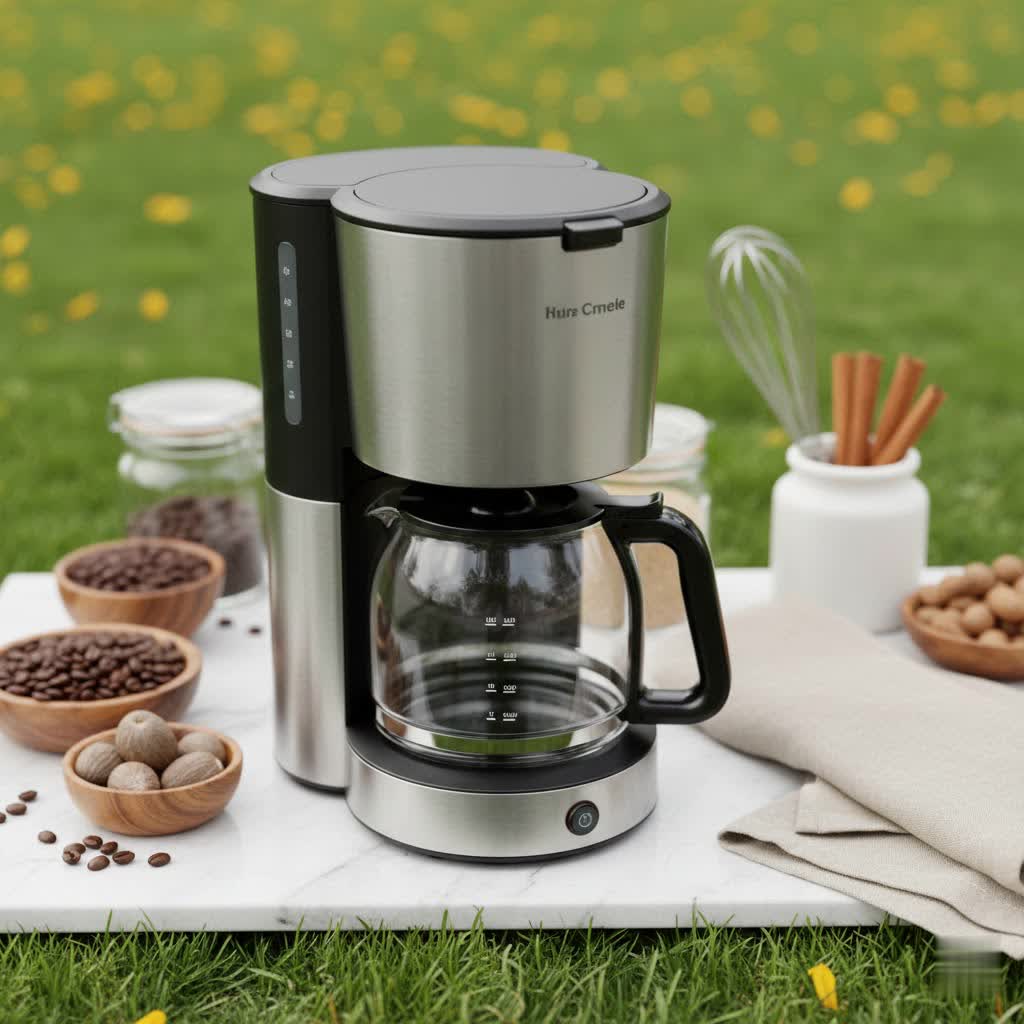
Waking up to the aroma of freshly brewed coffee can transform an ordinary morning into a moment of pure bliss. For many, a coffee maker isn’t just an appliance; it’s a gateway to daily comfort and energy. But with countless options available, choosing the best coffee maker can feel overwhelming. Whether you’re a seasoned barista or just starting your home brewing journey, understanding the landscape of coffee makers is the first step to enjoying that perfect cup every day.
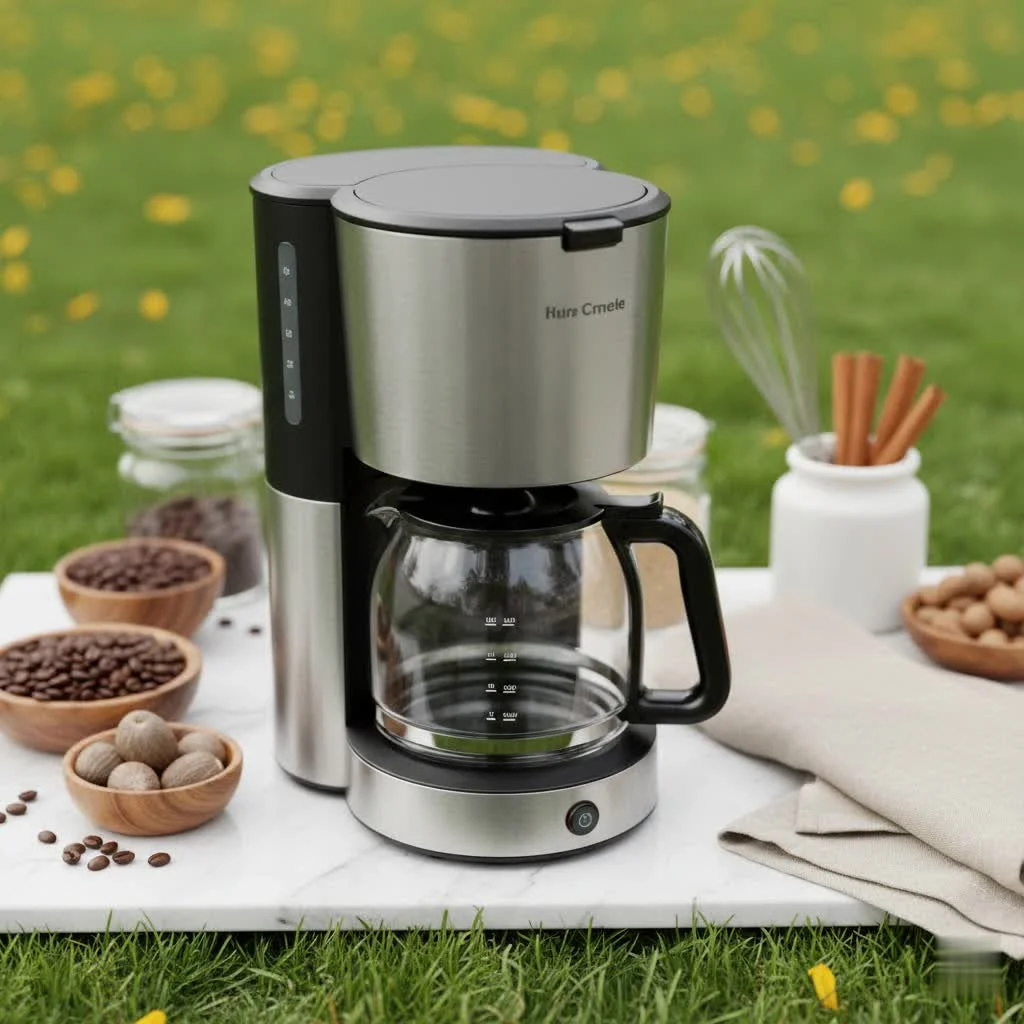
This comprehensive guide will walk you through everything you need to know, from the different types of coffee makers and essential buying considerations to maintenance tips and our top recommendations, ensuring you find a machine that perfectly suits your lifestyle and taste preferences. For see our coffee makers recommendations on this site.
An Overview of Coffee Makers
A coffee maker’s fundamental purpose is to extract flavor from ground coffee beans using water. While this core principle remains constant, the methods and results vary dramatically across different types of machines. Each offers a unique brewing experience and a distinct flavor profile.
Historically, coffee brewing has evolved from simple stovetop methods to sophisticated automated systems. Today’s market is rich with diversity, offering everything from manual brewers that provide an artisanal touch to fully automatic machines that handle every step with precision. Understanding these different types is crucial in pinpointing what works best for you.
Here are the most common types of coffee makers you’ll encounter:
- Drip Coffee Makers: These are the most common household coffee makers. Hot water drips over ground coffee held in a filter, and the brewed coffee collects in a carafe below. They are known for convenience and consistency, often featuring programmable timers.
- Espresso Machines: Designed to produce concentrated shots of espresso by forcing hot, pressurized water through finely-ground coffee. These range from manual lever machines to semi-automatic, automatic, and super-automatic models, offering varying degrees of control and automation.
- French Press: An immersion brewing method where coffee grounds steep in hot water before a plunger with a mesh filter separates the grounds from the brewed coffee. French presses yield a rich, full-bodied coffee with more sediment.
- Pour-Over Coffee Makers: These manual brewers require you to slowly pour hot water over coffee grounds in a conical filter. This method offers exceptional control over extraction, resulting in a clean, bright, and nuanced cup.
- Single-Serve/Pod Machines: These machines use pre-portioned coffee pods or capsules for quick, convenient brewing. They are ideal for individual servings and offer a wide variety of beverage options.
- Cold Brew Coffee Makers: Unlike other methods, these steep coffee grounds in cold water for an extended period (12-24 hours). The result is a less acidic, smoother, and naturally sweeter coffee concentrate.
- Moka Pot: A stovetop espresso maker that brews coffee by passing boiling water pressurized by steam through ground coffee. It produces a strong, concentrated coffee similar to espresso, but not true espresso.
Factors to Consider When Buying a Coffee Maker
Choosing the best coffee maker involves more than just picking the prettiest model. It’s about aligning the machine’s capabilities with your daily habits, taste preferences, and kitchen space. Consider these critical factors to make an informed decision.
Type of Coffee Maker
|
Our Picks for the Best Coffee Maker in 2026
As an Amazon Associate I earn from qualifying purchases.
|
||
| Num | Product | Action |
|---|---|---|
| 1 | BLACK+DECKER CM1160W-1 CM1160W 12-Cup Programmable Coffeemaker, White/Stainless Steel |

|
| 2 | Keurig K-Classic Single Serve K-Cup Pod Coffee Maker, Rhubarb |
|
| 3 | 500ml Coffee Decanter Glass Drip Coffee Maker with Reusable Stainless Steel Filter and Grip for Home or Office |
|
| 4 | ALPHA LIVING 100 Cups Electric Coffee Urn – Stainless Steel Large Capacity Electric Kettle Percolator Coffee Pot – Ideal Hot Beverage Dispenser for Catering, Hotels, Restaurants –Leak-Proof Tap |
|
| 5 | BLACK+DECKER 12-Cup Digital Coffee Maker, Programmable, Washable Basket Filter, Sneak-A-Cup, Auto Brew, Water Window, Keep Hot Plate, Black |
|
| 6 | Keurig K-Express Single Serve Coffee Maker – Strong Brew Option, 42oz Reservoir, Sleek Design for Holiday Hosting & Gifting, Black |
|
| 7 | Ninja 12-Cup Programmable Coffee Brewer, 2 Brew Styles, Adjustable Warm Plate, 60oz Water Reservoir, Delay Brew - Black/Stainless Steel |
|
| 8 | Hamilton Beach 2-Way Programmable Coffee Maker, 12 Cup Glass Carafe And Single Serve Coffee Maker, Black with Stainless Steel Accents, 49980RG |
|
| 9 | Keurig K-Classic Single Serve K-Cup Pod Coffee Maker, with 3 Brew Sizes, 48oz Removable Reservoir, Black |
|
| 10 | Hamilton Beach 2-Way Programmable Coffee Maker, 12 Cup Glass Carafe And Single Serve Coffee Maker, White with Stainless Steel Accents, 49933 |
|
Your preferred coffee style significantly influences the best type of coffee maker for you.
- Drip Coffee Makers:
- Pros: Highly convenient, often programmable, brews multiple cups, generally affordable, easy to use.
- Cons: Less control over brew variables, can produce a “burnt” taste if left on a warming plate too long.
- Espresso Machines:
- Pros: Produces rich, concentrated espresso shots for lattes, cappuccinos; offers significant control in semi-automatic and manual models; super-automatics provide push-button convenience for specialty drinks.
- Cons: Can be expensive, requires a learning curve (for manual/semi-automatic), often needs regular cleaning, takes up considerable counter space.
- French Press:
- Pros: Produces full-bodied, rich coffee; affordable; simple to use; portable for travel.
- Cons: Can have fine sediment in the cup; requires manual attention; cleaning can be messy.
- Pour-Over Coffee Makers:
- Pros: Exceptional flavor clarity and aroma; allows precise control over brewing; relatively inexpensive.
- Cons: Requires manual effort and attention; only brews one to two cups at a time; needs a separate kettle.
- Single-Serve/Pod Machines:
- Pros: Ultimate convenience and speed; easy cleanup; wide variety of drink options.
- Cons: Higher cost per cup; limited control over brew; can generate more waste with pods.
- Cold Brew Coffee Makers:
- Pros: Produces low-acid, smooth coffee concentrate; excellent for iced drinks; can brew in large batches.
- Cons: Long brewing time (12-24 hours); requires planning ahead.
- Moka Pot:
- Pros: Affordable; compact; brews strong, espresso-like coffee without an electric pump.
- Cons: Can produce bitter coffee if overheated; requires stovetop use; less versatile than an actual espresso machine.
Capacity
How much coffee do you need to brew at once?
- Single-Serve: Perfect for individuals or households where everyone prefers different beverages or wakes up at different times.
- Large Capacity (8-12+ cups): Ideal for families, entertaining guests, or if you consume multiple cups throughout the day. Keep in mind that a “cup” in coffee maker terms is often 5-6 ounces, not a standard 8-ounce measuring cup.
Features
Modern coffee makers come with a myriad of features designed to enhance convenience and customize your brew.
- Programmable Timer: Allows you to set your machine to brew coffee at a specific time, so you wake up to a fresh pot.
- Auto Shut-Off: A safety feature that turns off the machine after a set period, preventing overheating and saving energy.
- Brew Strength Control: Lets you adjust the intensity of your coffee, from mild to bold.
- Thermal Carafe: Keeps coffee hot for hours without a heating plate, preventing the coffee from “cooking” and developing a burnt taste.
- Built-in Grinder: Provides fresh coffee by grinding beans just before brewing, preserving maximum flavor.
- Milk Frother/Steamer: Essential for espresso lovers who enjoy lattes, cappuccinos, or other milk-based drinks.
- Temperature Control (PID): Crucial for consistent and optimal extraction, especially in espresso machines, maintaining water temperature within a narrow range.
- Smart and Connected Features: Wi-Fi connectivity allows remote brewing, scheduling, and maintenance notifications via a smartphone app. Some machines even learn your preferences to brew personalized recipes.
Brand and Price
The market offers a vast range of brands at various price points. Reputable brands often indicate better build quality, reliability, and customer support.
- Affordable (Under $100): You’ll find solid drip coffee makers, French presses, and basic single-serve machines. Brands like Mr. Coffee and Keurig are prominent here.
- Mid-Range ($100-$500): This segment includes more advanced drip machines with features like thermal carafes, entry-level espresso machines (Breville Bambino Plus), and higher-quality pour-over setups. Brands like OXO, Cuisinart, and some Nespresso models fit this category.
- High-End ($500+): Dominated by advanced espresso machines, bean-to-cup machines, and specialty drip brewers. Brands like Jura, Breville (higher-end models), and Technivorm Moccamaster offer professional-grade performance and durability.
Ease of Use and Cleaning
Consider how much effort you’re willing to put into your daily coffee ritual.
- Ease of Use: If you prioritize speed and simplicity, a programmable drip machine or a single-serve pod brewer might be ideal. If you enjoy the art of brewing, a manual pour-over or semi-automatic espresso machine offers more engagement.
- Ease of Cleaning: Machines with removable, dishwasher-safe parts are generally easier to clean. Espresso machines, particularly those with milk systems, often require more diligent daily cleaning to prevent residue buildup and ensure hygiene. Features like self-rinsing group heads and integrated descaling cycles are becoming more common, simplifying maintenance.
Comparison of Popular Coffee Maker Types
Here’s a quick comparison of some popular coffee maker types to help you weigh their benefits and drawbacks:
| Feature | Drip Coffee Maker | Espresso Machine (Semi-Auto) | French Press | Single-Serve (Pod) | Pour-Over |
|---|---|---|---|---|---|
| Cost | Low to Mid ($30-$200) | Mid to High ($300-$1000+) | Low ($20-$60) | Low to Mid ($50-$200) | Low ($20-$80 for dripper) |
| Convenience | High (Programmable) | Medium (Hands-on brewing) | Medium (Manual process) | Very High (One-button) | Low (Manual, attentive) |
| Flavor Profile | Balanced, consistent | Rich, concentrated, intense | Full-bodied, robust, some sediment | Consistent, wide variety | Clean, bright, nuanced |
| Brew Time | 5-10 minutes (full pot) | 30-60 seconds (per shot) | 4-7 minutes (steep) | 1-2 minutes (per cup) | 3-5 minutes (per cup) |
| Cleanup | Easy (Filter & carafe) | Moderate (Portafilter, steam wand) | Moderate (Grounds disposal) | Very Easy (Dispose pod) | Easy (Filter & carafe) |
| Versatility | Coffee only | Espresso, milk-based drinks | Coffee, cold brew, tea | Coffee, tea, hot chocolate | Coffee only |
| Control | Limited (Strength, timer) | High (Grind, tamp, shot time) | High (Steep time, grind size) | Limited (Cup size, some strength) | High (Flow, temperature, time) |
Top Picks: Best Coffee Makers Today
Here are a few highly-rated coffee makers that stand out in their respective categories, offering a blend of performance, features, and value.
Ratio Six Coffee Maker – Precision Drip Brewing
The Ratio Six is celebrated for its elegant design and exceptional drip brewing performance. It’s designed to mimic the precision of a pour-over brew with the convenience of an automatic machine. Users praise its ability to consistently heat water to the optimal brewing temperature (195-205°F) and distribute it evenly over the coffee grounds. This results in a remarkably clean and flavorful cup of coffee, making it a favorite among coffee enthusiasts who want quality without the manual effort. Its durable construction and simple interface also contribute to its appeal.
Breville Bambino Plus Espresso Machine – Compact Performance
For those seeking café-quality espresso at home without a significant learning curve or huge countertop footprint, the Breville Bambino Plus is a top contender. This compact semi-automatic espresso machine heats up rapidly and features automatic milk frothing for lattes and cappuccinos. It delivers consistent shots and impressive steam power, making it an excellent choice for beginners and experienced home baristas alike. Its intuitive controls and quick operation make daily espresso routines a breeze.
OXO Brew 9-Cup Coffee Maker – Programmable Convenience
The OXO Brew 9-Cup Coffee Maker offers a perfect balance of programmability and quality. It is SCAA-certified, ensuring it meets strict standards for brewing excellent coffee. With features like a programmable timer, brew size options, and a thermal carafe that keeps coffee hot for hours, it’s designed for convenience without compromising on taste. Its sleek design and user-friendly interface make it a great all-around choice for busy households that value both ease of use and a great cup of drip coffee.
Using and Maintaining Your Coffee Maker
To ensure your coffee maker continues to deliver delicious brews and stands the test of time, proper usage and consistent maintenance are key. Just like any precision instrument, a little care goes a long way.
How to Use Your Coffee Maker Correctly
Using your coffee maker effectively goes beyond just pressing a button. Here are some general tips:
- Use Quality Water: Filtered water prevents mineral buildup and significantly improves coffee taste. Hard water can lead to scale accumulation, shortening your machine’s lifespan.
- Grind Fresh Beans: If your machine doesn’t have a grinder, invest in a good burr grinder and grind your beans just before brewing. This preserves the coffee’s aromatic oils and flavor.
- Measure Accurately: Use a coffee scoop or scale to ensure the correct coffee-to-water ratio. A common guideline is 1-2 tablespoons of coffee per 6 ounces of water, but adjust to your taste.
- Pre-heat Components: For espresso machines and pour-overs, pre-heating your portafilter, cups, and brewing vessels ensures temperature stability for better extraction.
- Follow Manufacturer Instructions: Always refer to your specific machine’s manual for optimal settings, usage guidelines, and troubleshooting.
Maintenance Tips for Longevity
Regular cleaning and maintenance prevent residue buildup, ensure optimal performance, and extend your coffee maker’s life.
- Daily Maintenance:
- Rinse Carafe/Brew Basket: After each use, rinse these components with warm, soapy water to remove coffee oils and grounds.
- Wipe Down Exterior: Keep the exterior clean with a damp cloth.
- Espresso Machines: Purge the group head and wipe down the steam wand immediately after use to prevent milk residue from hardening. Empty the drip tray.
- Weekly Maintenance:
- Deep Clean Removable Parts: Scrub the water reservoir, filter basket, and carafe with warm, soapy water. Ensure they are thoroughly dry before reassembling.
- Run a Vinegar Cycle (Drip/Pod): If you use your machine daily, run a brewing cycle with equal parts water and white vinegar to help dissolve mineral deposits. Follow with several cycles of plain water.
- Monthly Maintenance:
- Descaling: This is crucial for removing limescale buildup from internal components, which can affect heating and water flow. Use a specialized descaling solution or a vinegar solution (check your manual). The frequency depends on your water hardness; some experts recommend every 1-3 months for hard water areas.
- Clean Grinder (if applicable): Use grinder cleaning tablets or a brush to remove built-up coffee oils and particles without disassembly.
- Annual Professional Servicing: For high-end espresso machines, consider annual professional servicing to diagnose and address potential issues before they become serious problems.
Common Issues and Troubleshooting
Sometimes, your coffee maker might not perform as expected. Here are a few common issues:
- Slow Brewing: Often indicates limescale buildup, suggesting it’s time to descale your machine.
- Weak Coffee: Could be due to incorrect coffee-to-water ratio, too coarse a grind, or a clogged showerhead/filter.
- Bitter Coffee: Can result from over-extraction (too fine a grind, too long a brew time), water that’s too hot, or stale coffee grounds.
- Machine Not Heating: Check power connections and water levels. If the problem persists after basic checks, consult your manual or a technician.
> “The secret to consistently great coffee isn’t just about the beans or the machine, but the simple, consistent care you give it. Neglect leads to off-flavors and breakdowns, while routine maintenance unlocks its full potential.” – Admin, Reviewonque.com
Conclusion
Choosing the best coffee maker is a personal journey, influenced by your desire for convenience, the types of coffee you enjoy, and your budget. From the set-it-and-forget-it simplicity of a programmable drip coffee maker to the hands-on artistry of an espresso machine, there’s a perfect brewing companion waiting for you. By understanding the different types, considering essential features, and committing to regular maintenance, you’re not just buying an appliance—you’re investing in countless satisfying coffee moments.
So, what kind of coffee maker will elevate your mornings to a truly exceptional experience? The choice is yours, and with this guide, you’re well-equipped to make it.
Frequently Asked Questions
What is the ideal water temperature for brewing coffee?
For most brewing methods, the ideal water temperature ranges between 195°F and 205°F (90°C to 96°C). Water within this range optimally extracts flavors from the coffee grounds without burning them or under-extracting. Too hot water can result in a bitter taste, while too cold water leads to a weak, sour brew.
How often should I descale my coffee maker?
The frequency of descaling depends on your water hardness and how often you use your machine. Generally, it’s recommended to descale every 1 to 3 months. If you live in an area with hard water, you might need to descale more frequently. Regular descaling prevents mineral buildup that can clog internal components and affect brewing performance and coffee taste.
Can I use regular ground coffee in an espresso machine?
While you can technically use regular ground coffee in an espresso machine, it’s generally not recommended. Espresso requires a very fine, consistent grind to allow the pressurized water to extract flavor correctly. Using a coarser, regular grind can lead to under-extraction, producing a weak, watery, and often sour espresso shot. For best results, always use freshly ground espresso beans.
Get our weekly buyer guide
Practical specs, not advice. Unsubscribe anytime.
