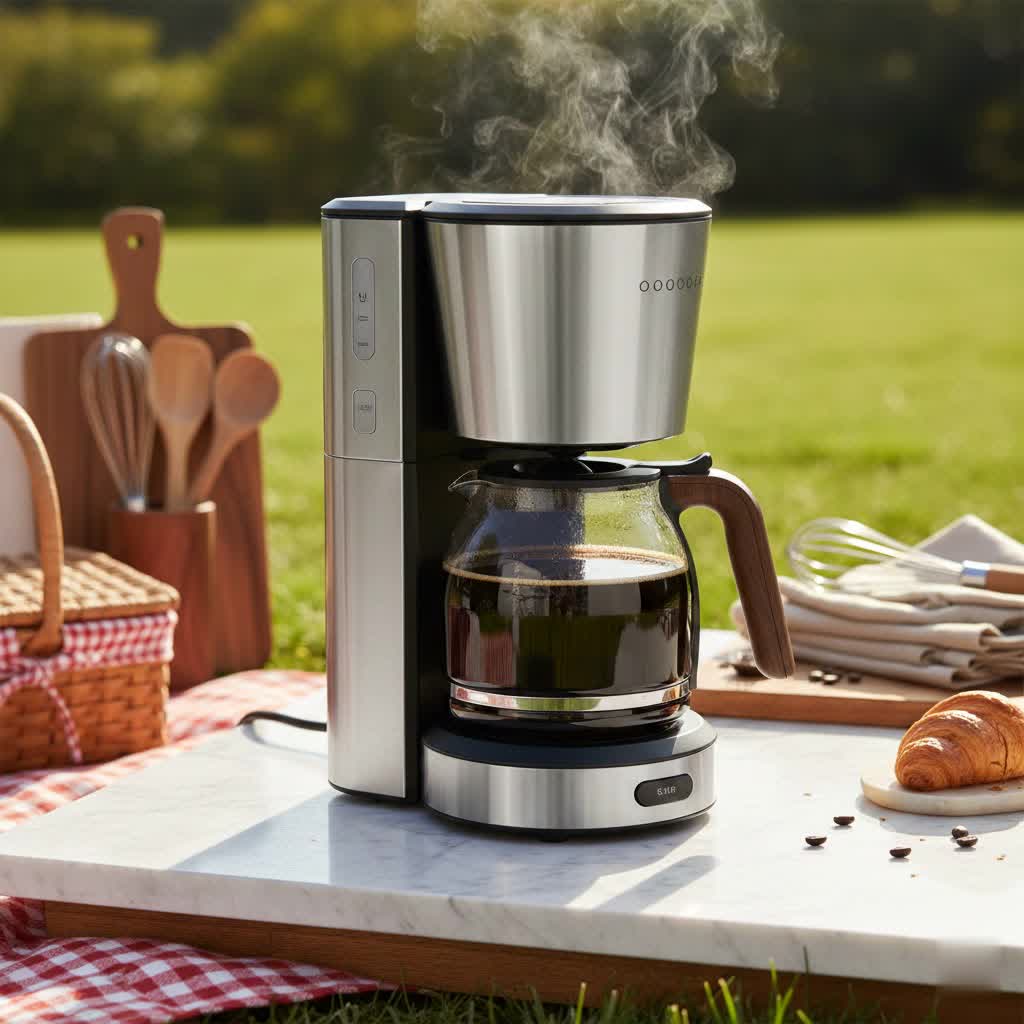
Have you ever savored a cup of coffee so rich and robust it instantly transported you back to simpler times? For many, that distinctive taste belongs to coffee brewed in a percolator. These classic coffee makers, once a staple in kitchens and campgrounds alike, offer a unique brewing experience that stands apart in today’s diverse coffee landscape. But what exactly is a percolator, and how does it create that bold, full-bodied cup? This comprehensive guide will delve into everything you need to know about Percolator Coffee Makers, from their history and operation to choosing the best model and mastering the perfect perk.
The Art of the Perk: Understanding Percolator Coffee Makers
A percolator coffee maker is a type of pot designed to brew coffee by repeatedly cycling nearly boiling water through coffee grounds until the desired strength is achieved. Unlike modern drip machines, which use a single pass of hot water, percolators offer a more immersive and traditional brewing method.
The mechanics are elegantly simple: water is placed in the lower chamber of the pot, and coffee grounds are held in a perforated basket above it. As the water heats, it travels up a central tube, emerges at the top, and showers down over the coffee grounds. This newly brewed coffee then filters back into the lower chamber, mixing with the water and repeating the cycle. This continuous circulation extracts the coffee’s flavor and aroma, intensifying with each “perk.”
Percolators enjoyed immense popularity throughout the late 19th and much of the 20th century, dominating the home coffee brewing scene. Their reign continued until the early 1970s, when the advent of automatic drip-brew coffee makers, with their perceived convenience and more consistent brewing temperatures, led to a decline in the percolator’s widespread use. Despite this, a loyal community of coffee enthusiasts still cherishes the percolator for its unique qualities and nostalgic appeal.
Today, you’ll find two primary types of percolator coffee makers:
- Stovetop Percolators: These are the traditional models, typically made of stainless steel or enamel, that sit directly on a stove burner. They require manual heat control but are often lauded for their durability and suitability for camping or off-grid use.
- Electric Percolators: Offering more convenience, electric models plug into an outlet and have a self-contained heating element. Many come with features like automatic shut-off and keep-warm functions.
Why Choose a Percolator? Pros and Cons Explored
Like any coffee brewing method, percolators come with their own set of advantages and disadvantages. Understanding these can help you decide if a percolator is the right choice for your coffee ritual.
Advantages of Percolator Coffee Makers
Percolator coffee makers deliver a distinctive experience that many coffee lovers appreciate:
- Distinctive, Robust Flavor and Mouthfeel: Because percolators often forgo paper filters, the natural coffee oils and aromatics remain in the brew. This results in a fuller, richer mouthfeel and a strong, intense flavor with a characteristic “bite” that many find exceptionally satisfying. If you prefer a bold cup, a percolator might be your ideal brewer.
- Nostalgic Charm and Traditional Brewing: For many, the sight and sound of a percolator bubbling on the stove evoke a sense of tradition and simpler times. It offers a more hands-on and engaging brewing process, appealing to those who enjoy a ritualistic approach to their morning coffee.
- Simplicity and Durability (Especially Stovetop): Stovetop percolators are remarkably simple in design, often comprising just a few metal components. This minimalist construction translates to high durability and easy maintenance, with no complex electronics to worry about. They are also excellent for outdoor adventures where electricity is unavailable.
- Reduced Plastic Contact: Many percolator models, especially stainless steel stovetop versions, minimize or eliminate plastic components that come into contact with hot water, a preference for health-conscious consumers.
|
Our Picks for the Best Coffee Maker in 2026
We may earn a commission when you use one of our links to make a purchase.
|
||
| Num | Product | Action |
|---|---|---|
| 1 | Keurig K-Classic Single Serve K-Cup Pod Coffee Maker, Rhubarb |

|
| 2 | Hamilton Beach 2-Way Programmable Coffee Maker, 12 Cup Glass Carafe And Single Serve Coffee Maker, White with Stainless Steel Accents, 49933 |
|
| 3 | BLACK+DECKER 12-Cup Digital Coffee Maker, Programmable, Washable Basket Filter, Sneak-A-Cup, Auto Brew, Water Window, Keep Hot Plate, Black |
|
| 4 | 500ml Coffee Decanter Glass Drip Coffee Maker with Reusable Stainless Steel Filter and Grip for Home or Office |
|
| 5 | ALPHA LIVING 100 Cups Electric Coffee Urn – Stainless Steel Large Capacity Electric Kettle Percolator Coffee Pot – Ideal Hot Beverage Dispenser for Catering, Hotels, Restaurants –Leak-Proof Tap |
|
| 6 | BLACK+DECKER CM1160W-1 CM1160W 12-Cup Programmable Coffeemaker, White/Stainless Steel |
|
| 7 | Keurig K-Express Single Serve Coffee Maker – Strong Brew Option, 42oz Reservoir, Sleek Design for Holiday Hosting & Gifting, Black |
|
| 8 | Hamilton Beach 2-Way Programmable Coffee Maker, 12 Cup Glass Carafe And Single Serve Coffee Maker, Black with Stainless Steel Accents, 49980RG |
|
| 9 | Ninja 12-Cup Programmable Coffee Brewer, 2 Brew Styles, Adjustable Warm Plate, 60oz Water Reservoir, Delay Brew - Black/Stainless Steel |
|
| 10 | Keurig K-Classic Single Serve K-Cup Pod Coffee Maker, with 3 Brew Sizes, 48oz Removable Reservoir, Black |
|
Disadvantages and Common Criticisms
While cherished by some, percolators also face criticism, particularly from the specialty coffee community:
- Risk of Over-Extraction and Bitterness: This is the most common critique. The continuous cycling of hot, already brewed coffee through the grounds can easily lead to over-extraction. This process pulls out bitter, harsh, and sometimes sour compounds, resulting in an unpleasant taste if not carefully managed. The grounds are also exposed to higher temperatures than optimal for coffee extraction.
- Brewing Temperature Inconsistencies: Achieving and maintaining the ideal brewing temperature (typically between 195-205°F or 90-96°C) can be challenging with percolators, especially stovetop models. Boiling or near-boiling temperatures can scorch the coffee, contributing to bitterness.
- Not Favored by Some Specialty Coffee Enthusiasts: Due to the inherent risk of over-extraction and the resulting lack of balance and clarity, percolators are generally not highly regarded within the specialty coffee community, which often prioritizes nuanced flavors and precise brewing.
- Aroma Loss: Some experts suggest that the continuous boiling action can cause delicate coffee aromatics to “boil off,” leading to a less fragrant cup compared to other brewing methods.
Essential Considerations: A Percolator Coffee Maker Buying Guide
Choosing the right percolator involves weighing various factors to match your lifestyle and coffee preferences.
Type: Electric vs. Stovetop
- Electric Percolators: Offer convenience with integrated heating elements, automatic shut-off, and “keep warm” functions. They are ideal for daily indoor use where consistency is key. However, the “keep warm” function should be used sparingly to avoid further over-extraction.
- Stovetop Percolators: Perfect for camping, emergencies, or those who prefer a hands-on approach and robust, outdoor-style coffee. They are often more durable and entirely free of electrical components.
Capacity: Finding Your Perfect Size
Percolators come in various capacities, typically measured in “cups” (which can sometimes be smaller than standard mug sizes, often 5 oz).
- Small (2-4 cups): Ideal for individuals or couples who enjoy a few cups a day.
- Medium (6-9 cups): Suitable for small families or entertaining a few guests.
- Large (10-12+ cups): Best for larger households, gatherings, or commercial use.
Material: Stainless Steel for the Win
The material of your percolator significantly impacts both durability and taste:
- Stainless Steel: Highly recommended. Stainless steel is durable, non-reactive (won’t impart metallic tastes), and easy to clean. Many models are dishwasher safe. It’s a wise choice to avoid potential health concerns associated with aluminum.
- Aluminum: While cheaper, aluminum can react with coffee, potentially affecting taste, and some consumers prefer to avoid it for health reasons.
- Enamelware: Often used for stovetop camping percolators, enamel-coated steel is durable but can chip.
Key Features to Look For
- Visibility Knob: Many percolators feature a clear glass or plastic knob on the lid, allowing you to visually monitor the “perking” action and gauge coffee strength. This is a beloved, classic feature.
- Automatic Shut-Off (Electric): A safety feature that turns off the heating element once brewing is complete, preventing over-extraction and overheating.
- Keep-Warm Function (Electric): Keeps coffee warm after brewing. While convenient, use this feature sparingly as prolonged heat can degrade coffee quality.
- Detachable Cord (Electric): Allows for easier serving and storage.
- Cool-Touch Handle and Precision Pour Spout: Enhance safety and ease of use.
Brands and Price Ranges
Several reputable brands offer quality percolator coffee makers. Some popular options include:
- Presto: Known for durable electric percolators like the 12-Cup Stainless Steel Coffee Maker 02811, often praised for its longer brew cycle yielding a stronger, more balanced coffee.
- Farberware: Offers both electric (e.g., FCP412) and stovetop (e.g., Yosemite) models, known for quick brewing and stainless steel construction.
- Hamilton Beach: Provides reliable electric percolators like the 40616, often featuring clear markings and easy-to-clean components.
- Cuisinart: Known for its classic 12-cup percolator (PRC-12), offering a strong brew and stylish design.
- Coletti: Popular for robust stainless steel camping percolators like the Bozeman, designed for outdoor use.
- Moss & Stone / Elite Gourmet: Offer electric options with various capacities and features.
Prices for percolators can range from affordable basic stovetop models (under $30) to higher-end electric or large-capacity stainless steel units ($50-$120+).
Percolator vs. Drip Coffee Makers: A Brewing Battle
When comparing percolators with the more ubiquitous drip coffee makers, key differences emerge in taste, process, and convenience.
| Feature | Percolator Coffee Maker | Drip Coffee Maker |
|---|---|---|
| Brewing Method | Repeatedly cycles near-boiling water through grounds. | Hot water drips once through grounds into a carafe. |
| Flavor Profile | Strong, robust, full-bodied, intense, can be bitter if over-extracted. Retains oils. | Cleaner, smoother, often more subdued, less bitter if properly brewed. Filters oils. |
| Mouthfeel | Richer, fuller, heavier. | Lighter, cleaner. |
| Temperature | Can reach higher, sometimes boiling, temperatures, risking over-extraction. | Typically maintains optimal brewing temperature (195-205°F). |
| Filters | Often uses a reusable metal basket; paper filters optional. | Typically uses disposable paper filters. |
| Caffeine | Can be higher due to longer/repeated extraction. | Consistent caffeine levels for standard brew. |
| Convenience | Can be more hands-on; electric models offer some automation. | Generally fully automatic, programmable, set-it-and-forget-it. |
| Clean-up | Disposing of grounds can be a bit messier. | Paper filters make grounds disposal easy. |
| Nostalgia | High appeal for traditionalists. | Modern, standard brewing method. |
Top Picks: Highly-Rated Percolator Coffee Makers
While personal preference always plays a role, certain percolator models consistently receive high marks for performance and durability. Here are a few top recommendations:
Presto 12-Cup Stainless Steel Coffee Maker 02811
This electric percolator is a standout choice for its consistent performance and classic aesthetic. Reviewers often praise the Presto for producing a brew that is notably stronger and more balanced than many of its competitors, attributed to a slightly longer and more controlled brew cycle. Its retro design adds a charming touch to any kitchen, and the simple indicator light lets you know exactly when your coffee is ready, before automatically switching to a keep-warm mode. This model combines reliability with a user-friendly experience, making it a favorite for daily use.
Farberware FCP412 12-Cup Percolator
The Farberware FCP412 is a popular electric model known for its speed and practicality. It can brew up to 12 cups efficiently, often noted for its “cup-a-minute” brewing speed. Constructed from durable stainless steel, it also includes an automatic “keep warm” function and a detachable cord for easy pouring and storage. This percolator is a solid choice for those who prioritize a quick, reliable brew for family use or when entertaining. Its straightforward operation and robust build make it a dependable kitchen appliance.
Coletti Bozeman Camping Percolator
For the adventurers and outdoor enthusiasts, the Coletti Bozeman is an excellent stovetop option. Crafted from heavy-gauge 18/8 stainless steel, this percolator is built to withstand the rigors of camping and outdoor use. It features a durable rosewood handle and a thick glass perk knob for monitoring the brewing process. Many users appreciate its high-quality construction and the ability to brew a hearty cup of coffee over a campfire or portable stove. The Coletti Bozeman provides a rugged yet refined brewing experience, perfect for those who love coffee in the great outdoors.
Brewing Perfection: Tips for Using and Maintaining Your Percolator
To unlock the best flavor from your percolator and ensure its longevity, follow these expert tips.
Getting the Grind Right
The grind size is crucial for percolator coffee. Using too fine a grind, like that for espresso or drip coffee, can lead to over-extraction and grounds seeping into your cup.
- Opt for a Coarse Grind: A coarse grind, similar to what you’d use for a French press, is ideal. This prevents over-extraction and minimizes sediment.
- Avoid Pre-Ground Coffee for Drip Machines: If you must use pre-ground, ensure it’s specifically for percolators or a coarse blend. Grinding your own fresh beans to the correct consistency will yield the best results.
Mastering the Brewing Process
The key to a great percolated cup lies in careful monitoring to avoid over-extraction:
- Fill with Cold Water: Always start with fresh, cold water for optimal taste.
- Add Coffee Grounds: Place your coarse grounds into the filter basket. A good starting ratio is one tablespoon of coffee per cup of water, adjusting to your preference. Some users also place a small paper filter in the basket to prevent grounds from entering the brew, though this is optional.
- Assemble and Heat: Place the basket assembly into the percolator and secure the lid.
- Stovetop: Begin on medium-high heat. Once you see the first “perc” (a burble of coffee appearing in the glass knob), reduce the heat to medium-low. Aim for a gentle percolation rate of about one “perc” every 3-5 seconds.
- Electric: Simply plug it in and let the machine do the work.
- Monitor Brewing Time: Brew for 4 to 7 minutes after the perking begins, or roughly one minute per cup of water. Visually check the color of the coffee through the knob to gauge strength.
- Serve Immediately: Once brewed, remove the percolator from the heat (or unplug electric models). For stovetop models, allow the grounds to settle for a minute or two before pouring. Avoid keeping coffee on a “keep warm” function for too long, as continuous heat can degrade flavor.
Cleaning and Care for Longevity
Regular and thorough cleaning will ensure your percolator continues to brew delicious coffee for years.
- Disassemble and Wash: After each use, disassemble all parts. Most stainless steel percolator components (basket, tube, lid) are dishwasher-safe, but handwashing with warm, soapy water is always a good practice to preserve their finish.
- Rinse Thoroughly: Ensure all soap residue is rinsed away to prevent affecting future brews.
- Descale Periodically: Over time, mineral deposits can build up, especially in the heating element of electric models. Descale your percolator every few months by brewing a solution of equal parts white vinegar and water, then running two cycles of plain water.
Troubleshooting Common Issues
- Coffee Tastes Bitter/Burnt: You’re likely over-extracting. Reduce brewing time, lower the heat for stovetop models, or ensure you’re using a coarse grind.
- Coffee is Weak: Increase the amount of coffee grounds, extend brewing time slightly, or ensure your grind isn’t too coarse (which can lead to under-extraction).
- Grounds in Coffee: Ensure your grind is coarse enough. You can also try adding a small, round paper filter to the basket.
Conclusion
The percolator coffee maker, with its iconic design and unique brewing process, offers a compelling alternative to modern brewing methods. While it demands a bit more attention to avoid the pitfalls of over-extraction, the reward is a remarkably strong, full-bodied cup of coffee infused with a nostalgic charm. Whether you’re drawn to the hands-on simplicity of a stovetop model for your outdoor adventures or the robust dependability of an electric unit for your daily brew, understanding the nuances of percolation allows you to unlock its full potential. By choosing the right model and mastering the art of the “perc,” you can enjoy a coffee experience that is both deeply satisfying and refreshingly traditional.
Are you ready to embrace the classic allure of percolated coffee and discover the rich flavors it has to offer?
Frequently Asked Questions
What kind of coffee grind is best for a percolator?
For a percolator, a coarse grind is best, similar to what you would use for a French press. This grind size helps prevent over-extraction, which can lead to bitter coffee, and also minimizes coffee grounds from seeping into your final brew. Avoid fine grinds typically used for drip coffee makers or espresso.
Can percolators make good coffee?
Yes, percolators can make very good coffee, especially if you prefer a strong, robust, and full-bodied cup. The key is to carefully control the brewing process, particularly the temperature and brew time, to avoid over-extraction and bitterness. When done correctly, percolated coffee offers a distinctive and satisfying flavor that many enthusiasts enjoy.
Is percolator coffee stronger than drip coffee?
Generally, percolator coffee tends to be stronger and more robust than drip coffee. This is because the percolator’s process involves repeatedly cycling hot water through the coffee grounds, which can extract more compounds and flavor. Depending on the brewing duration, percolator coffee can also contain a higher caffeine content compared to a standard drip brew.
How long should I perk coffee?
The ideal brewing time for percolator coffee typically ranges from 4 to 7 minutes after the initial “perking” begins. For a stovetop percolator, you should reduce the heat to maintain a gentle perk (about one bubble every 3-5 seconds). Monitoring the color of the coffee through the glass knob on the lid can also help you gauge the strength and determine when it’s ready to your liking.