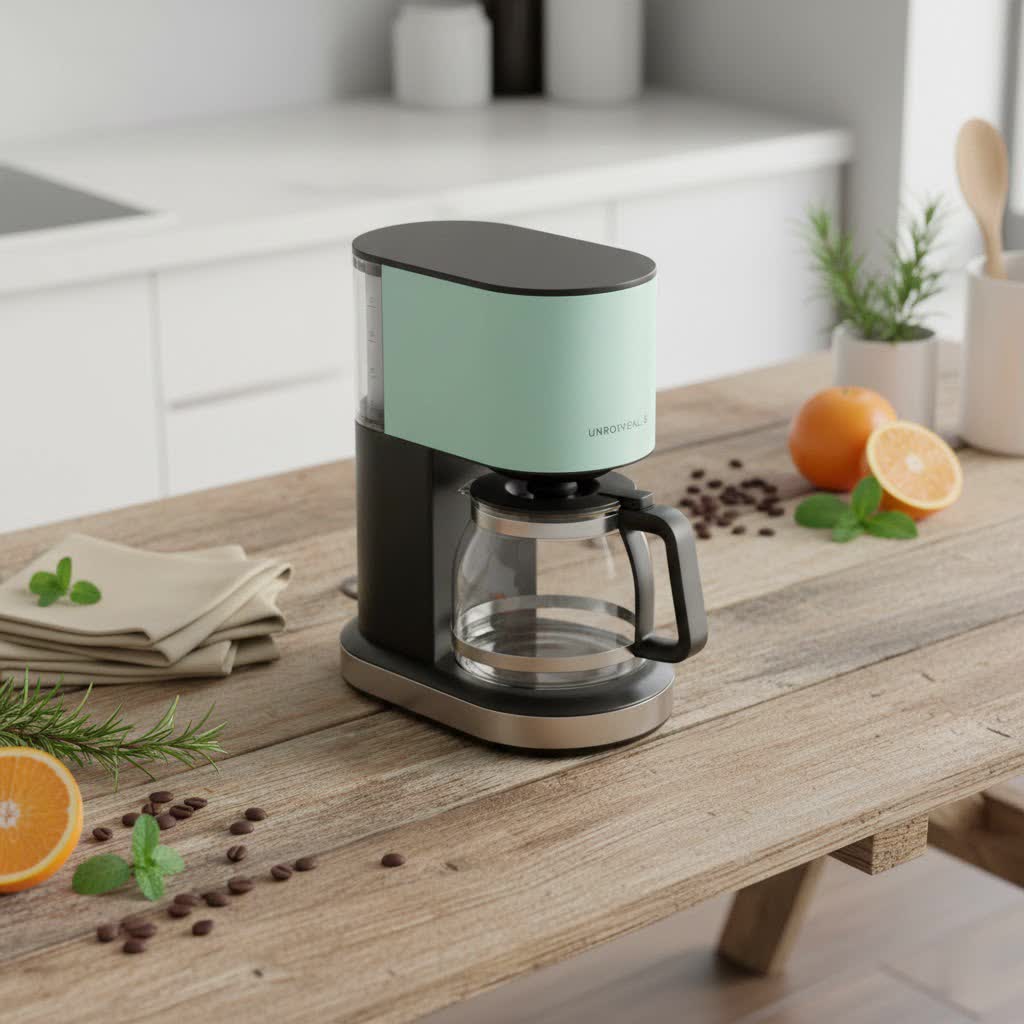
The rich aroma of freshly brewed coffee is a universal morning ritual, a moment of quiet pleasure before the day truly begins. In our fast-paced lives, convenience is key, and that’s where the automatic coffee maker steps in. These sophisticated machines transform raw coffee beans into a perfect cup with minimal effort, offering a seamless blend of technology and tradition. Whether you crave a robust espresso or a classic drip, an automatic coffee maker promises a consistent, delightful brew every time. This guide will walk you through everything you need to know, from understanding how these machines work to choosing the ideal model for your home and ensuring its longevity.
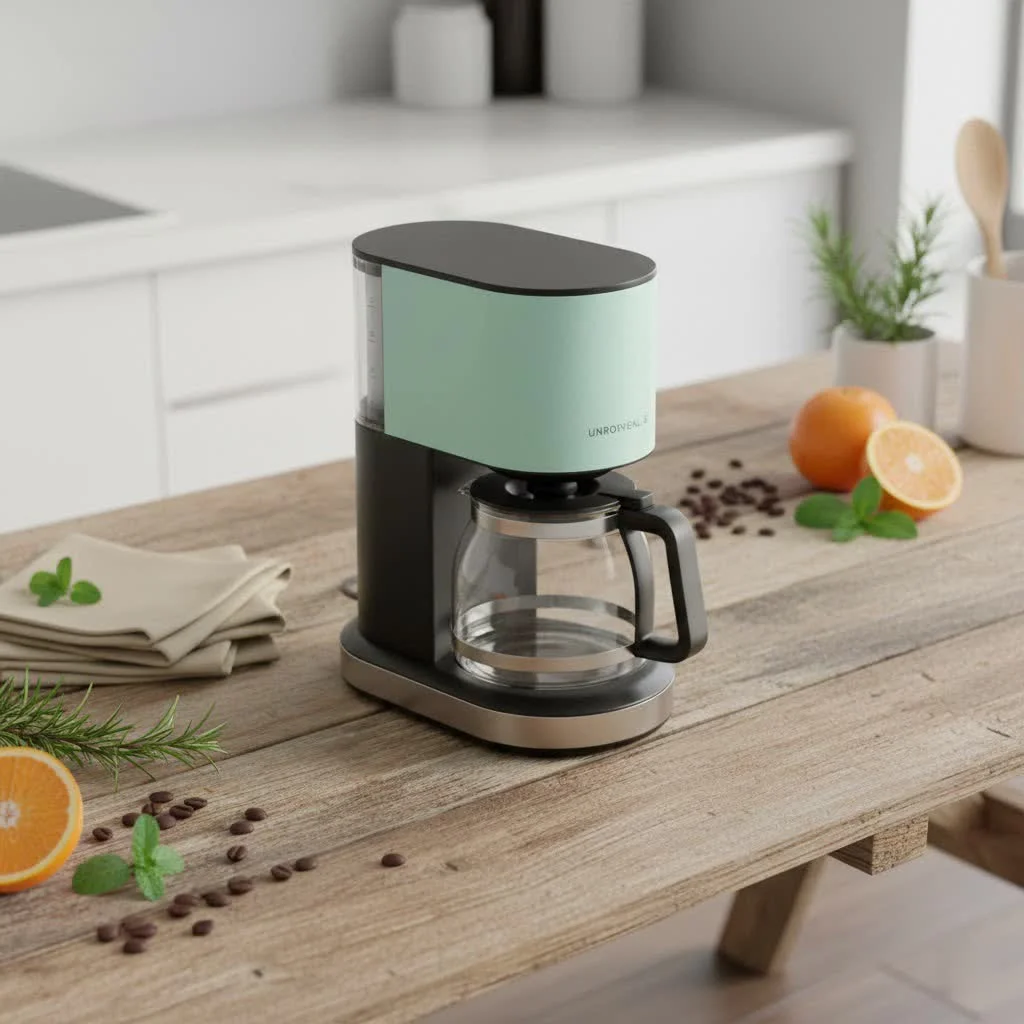
Understanding Automatic Coffee Makers
What exactly defines an “automatic coffee maker”? At its core, an automatic coffee maker is designed to automate most, if not all, stages of the coffee brewing process. This automation can range from simply heating water and dripping it over ground coffee at a set time, to grinding fresh beans, tamping them, extracting espresso, and even frothing milk for lattes and cappuccinos, all at the touch of a button.
The history of automated coffee brewing is one of continuous innovation, evolving from basic electric percolators to today’s highly intelligent, customizable machines. The goal has always been the same: to make high-quality coffee more accessible and less labor-intensive for the everyday enthusiast.
How Automatic Coffee Makers Work
The magic behind your morning cup involves a series of precisely coordinated steps. Most automatic coffee makers operate on a similar principle, though specific features vary.
- Water Heating: Water from the reservoir is drawn into a heating element, quickly reaching the optimal brewing temperature, typically between 195°F and 205°F for drip coffee. For espresso machines, temperatures are often higher to create steam.
- Grinding (for Bean-to-Cup models): If your machine has a built-in grinder, it will grind fresh whole beans just before brewing. This ensures maximum freshness and flavor. The grind size is often adjustable to suit different coffee types and preferences.
- Brewing/Extraction:
- Drip Coffee Makers: Hot water is sprayed over the ground coffee, saturating it evenly. Gravity then pulls the coffee through a filter into a carafe below.
- Espresso Machines: Hot water is forced through a compacted “puck” of finely ground coffee under high pressure, extracting a concentrated shot of espresso.
- Dispensing: The brewed coffee is dispensed into your cup or carafe, ready to be enjoyed.
- Milk Frothing (for advanced models): Many super-automatic espresso machines include a steam wand or an integrated milk system that automatically froths milk for lattes, cappuccinos, and other milk-based beverages.
Key components like heating elements, water pumps, and brew groups work in harmony, often controlled by sophisticated timers and sensors to ensure a consistent and flavorful output.
Popular Types of Automatic Coffee Makers
|
Our Picks for the Best Coffee Maker in 2026
As an Amazon Associate I earn from qualifying purchases.
|
||
| Num | Product | Action |
|---|---|---|
| 1 | ALPHA LIVING 100 Cups Electric Coffee Urn – Stainless Steel Large Capacity Electric Kettle Percolator Coffee Pot – Ideal Hot Beverage Dispenser for Catering, Hotels, Restaurants –Leak-Proof Tap |

|
| 2 | Hamilton Beach 2-Way Programmable Coffee Maker, 12 Cup Glass Carafe And Single Serve Coffee Maker, Black with Stainless Steel Accents, 49980RG |
|
| 3 | Hamilton Beach 2-Way Programmable Coffee Maker, 12 Cup Glass Carafe And Single Serve Coffee Maker, White with Stainless Steel Accents, 49933 |
|
| 4 | BLACK+DECKER 12-Cup Digital Coffee Maker, Programmable, Washable Basket Filter, Sneak-A-Cup, Auto Brew, Water Window, Keep Hot Plate, Black |
|
| 5 | BLACK+DECKER CM1160W-1 CM1160W 12-Cup Programmable Coffeemaker, White/Stainless Steel |
|
| 6 | Keurig K-Classic Single Serve K-Cup Pod Coffee Maker, with 3 Brew Sizes, 48oz Removable Reservoir, Black |
|
| 7 | Keurig K-Express Single Serve Coffee Maker – Strong Brew Option, 42oz Reservoir, Sleek Design for Holiday Hosting & Gifting, Black |
|
| 8 | Keurig K-Classic Single Serve K-Cup Pod Coffee Maker, Rhubarb |
|
| 9 | Ninja 12-Cup Programmable Coffee Brewer, 2 Brew Styles, Adjustable Warm Plate, 60oz Water Reservoir, Delay Brew - Black/Stainless Steel |
|
| 10 | 500ml Coffee Decanter Glass Drip Coffee Maker with Reusable Stainless Steel Filter and Grip for Home or Office |
|
The term “automatic coffee maker” can encompass several categories, each designed to cater to different brewing preferences:
- Automatic Drip Coffee Makers: These are perhaps the most common type, beloved for their simplicity and ability to brew larger batches. You add water and ground coffee, select your settings (if programmable), and the machine handles the rest. Many feature programmable timers, allowing you to wake up to freshly brewed coffee. They excel at producing smooth, consistent filter coffee.
- Super-Automatic Espresso Machines (Bean-to-Cup): These are the pinnacle of convenience for espresso lovers. They grind fresh whole beans for each cup, tamp them, brew espresso, and often include automatic milk frothing systems. With a single touch, you can enjoy a wide range of espresso-based drinks like lattes, cappuccinos, and Americanos. These machines offer extensive customization for strength, temperature, and volume.
- Single-Serve Automatic Coffee Makers: While often simpler, these machines (like many pod-based systems) also automate the brewing process for individual servings. While convenient, they typically offer less customization than drip or bean-to-cup models and might involve higher ongoing costs for pods.
Key Factors to Consider When Buying an Automatic Coffee Maker
Choosing the right automatic coffee maker can feel overwhelming with the myriad options available. By focusing on your specific needs and preferences, you can narrow down the field and find your perfect match.
Type of Coffee Maker: Drip vs. Espresso
Your preferred coffee style is the first and most crucial factor in your decision.
- Automatic Drip Coffee Makers are ideal for those who enjoy classic filter coffee, appreciate the ability to brew larger quantities, and prioritize ease of use. They are generally more affordable and excellent for daily batch brewing. Look for models with SCA (Specialty Coffee Association) Certification, as this guarantees the machine maintains an optimal brewing temperature between 195°F and 205°F, crucial for extracting the best flavor without bitterness.
- Super-Automatic Espresso Machines are perfect for enthusiasts of espresso and milk-based drinks. If you dream of barista-quality lattes or robust espressos at home with minimal fuss, a bean-to-cup machine is your best bet. Be prepared for a higher initial investment and slightly more intricate cleaning routines.
Capacity and Size
Consider how much coffee you typically need at once.
- Capacity: Automatic drip makers range from 4-cup to 14-cup capacities. A single person might be fine with a smaller 4-8 cup model, while a busy household or office will benefit from a 10-14 cup machine. Super-automatic espresso machines typically brew 1-2 shots at a time but often have large water and bean reservoirs to make multiple drinks without constant refilling.
- Size: Measure your counter space. Automatic machines, especially super-automatic espresso makers with integrated grinders and milk systems, can be quite large and heavy. Ensure there’s enough clearance under cabinets and space to access water tanks and bean hoppers.
Essential Features and Customization
Modern automatic coffee makers boast a wide array of features designed to enhance your coffee experience.
- Programmability: A programmable timer allows you to set the machine to brew at a specific time, ensuring your coffee is ready when you wake up. Auto shut-off is a common safety and energy-saving feature.
- Brew Strength Control: Many models offer settings to adjust the coffee’s intensity, from mild to bold, catering to different tastes or times of day.
- Temperature Control: Beyond the standard heating, some high-end drip machines allow for precise temperature adjustment, which can significantly impact flavor extraction.
- Grinding Mechanism: For super-automatic machines, a built-in burr grinder (conical or flat ceramic) is a must for fresh coffee. Burr grinders offer a consistent grind size, which is superior to blade grinders for flavor. Ceramic burrs are often quieter and transfer less heat during grinding, preserving bean flavor.
- Milk Frothing: If you love lattes and cappuccinos, consider the milk system. Some machines have a manual steam wand for hands-on frothing, while others feature automatic milk systems that froth and dispense milk directly into your cup. Advanced systems, like De’Longhi’s LatteCrema, can even handle different milk types and temperatures.
- Smart Features: Some contemporary automatic coffee makers integrate with smart home systems, offering app control or voice assistant integration (e.g., Alexa, Google Assistant). This allows for remote brewing, customization, and even maintenance alerts.
- Carafe Type: Thermal carafes are excellent for keeping coffee hot for extended periods without a hot plate, which can scorch coffee. Glass carafes are common but require a hot plate to keep coffee warm, which can affect taste over time.
Brand Reputation and Price Range
Investing in a reputable brand often translates to better quality, durability, and customer support.
- Trusted Brands: Brands like Cuisinart, Breville, OXO, De’Longhi, Jura, and Technivorm are frequently praised for their performance and reliability in both automatic drip and super-automatic categories.
- Price: Automatic coffee makers range significantly in price. Basic programmable drip machines can be quite affordable, while high-end super-automatic espresso machines with advanced features can be a substantial investment. Set a budget, but that a higher price often reflects better build quality, more features, and superior brewing performance.
Ease of Use and Maintenance
Even the most advanced machine should be user-friendly.
- User Interface: Look for clear displays, intuitive buttons, or responsive touchscreens. An easy-to-navigate interface makes daily operation a breeze.
- Cleaning: All coffee makers require regular cleaning. Machines with removable brew groups (for super-automatics), easily accessible water reservoirs, and detachable drip trays simplify the process. Features like self-cleaning cycles for milk systems and descaling alerts are highly beneficial for maintaining hygiene and performance.
Comparing Popular Automatic Coffee Maker Models
Let’s briefly highlight some notable automatic coffee makers across different categories:
| Feature | Ratio Six Coffee Maker (Drip) | Breville Precision Brewer (Drip) | OXO Brew 9-Cup Coffee Maker (Drip) | Smeg Automatic Coffee Machine (Super-Automatic) | De’Longhi Rivelia (Super-Automatic) |
|---|---|---|---|---|---|
| Type | Automatic Drip (Pour-over style) | Automatic Drip | Automatic Drip | Bean-to-Cup Espresso | Bean-to-Cup Espresso |
| Key Features | Elegant design, quality brew | Highly customizable, multiple brew modes | SCA certified, thermal carafe, programmable | Simple, retro design, one-touch espresso | Wide drink variety, auto milk frother |
| Capacity | 6-cup | 12-cup | 9-cup | Single serve | Multiple servings |
| Carafe | Thermal | Thermal | Thermal | N/A (cup direct) | N/A (cup direct) |
| Ease of Use | Simple, consistent | Versatile, some learning curve | User-friendly | Very simple, intuitive buttons | Touchscreen, customizable drinks |
| Approx. Price | $$$ | $$$ | $$ | $$$$ | $$$$$ |
This table provides a snapshot, but deeper dives into reviews will offer specific insights into performance and user experience for each model.
How to Use and Maintain Your Automatic Coffee Maker for Longevity
Proper usage and regular maintenance are crucial for extending the life of your automatic coffee maker and ensuring consistently delicious coffee.
Proper Usage Tips
- Fresh Ingredients are Key: Always use freshly roasted coffee beans and filtered water. Stale beans lose flavor, and hard water can lead to mineral buildup (scale) that impacts taste and machine function.
- Grind Just Before Brewing: If your machine has a built-in grinder, utilize it. For drip machines using pre-ground coffee, ensure it’s a medium-coarse grind for optimal extraction.
- Follow Recommended Ratios: Refer to your machine’s manual for suggested coffee-to-water ratios. A general guideline is 1-2 tablespoons of ground coffee per 6 ounces of water.
- Preheat Your Mug: For espresso, preheating your cup can help maintain the coffee’s temperature and crema.
Maintenance for Longevity
Regular cleaning prevents clogs, mold, and scale buildup, all of which can degrade performance and affect taste.
- Daily Cleaning: After each use, empty the coffee grounds container and drip tray. Rinse the water reservoir and any removable parts that come into contact with coffee or milk. If your machine has a milk system, run the cleaning cycle immediately after use.
- Weekly Cleaning: Wash removable components (like the brew group, water tank, and bean hopper) with warm, soapy water. Ensure they are completely dry before reassembling.
- Descaling: This is perhaps the most critical maintenance task. Minerals in water (calcium, magnesium) accumulate as scale, which can clog water lines, reduce heating efficiency, and impart off-flavors.
- Frequency: Descale every 1-3 months, depending on your water hardness and machine usage. Many machines have an indicator light to remind you.
- Method: Always use a descaling solution recommended by the manufacturer or a safe alternative like white vinegar (though some manufacturers advise against it). Follow the instructions precisely.
- Empty Reservoir: When not in use for an extended period, empty the water reservoir to prevent stagnant water and potential mold growth.
Common Issues and Troubleshooting
- Weak Coffee: Check your coffee-to-water ratio, grind size (too coarse), or bean freshness. Ensure the brewing temperature is adequate.
- Leaking: Inspect the water reservoir seal, drip tray, and any removable parts for improper seating or damage. Descaling can sometimes resolve issues related to blocked water paths.
- Machine Not Starting/Brewing: Check power connections, ensure the water reservoir is filled and correctly inserted, and that no error messages are displayed. Consult your machine’s manual for specific error codes.
Conclusion
The automatic coffee maker is more than just an appliance; it’s a gateway to daily convenience and exceptional coffee. From the classic simplicity of an automatic drip to the sophisticated, bean-to-cup precision of a super-automatic espresso machine, there’s a model perfectly suited to every coffee lover’s lifestyle. By understanding how these machines work, carefully considering the features that matter most to you, and committing to a routine of proper usage and maintenance, you can ensure your chosen automatic coffee maker delivers delightful, consistent brews for years to come. Which automatic coffee maker will improve your daily ritual and bring the joy of a perfect cup to your home?
Frequently Asked Questions
Are automatic coffee makers suitable for all types of coffee?
Yes, most automatic coffee makers are versatile enough to brew various coffee types. While specific machines excel at drip coffee or espresso, many offer adjustable settings for brew strength, grind size, and water temperature to accommodate a range of roast profiles and personal preferences.
How often should I descale my automatic coffee maker?
Descaling frequency depends on your water hardness and how often you use the machine. Generally, it’s recommended every 1 to 3 months. Many modern automatic coffee makers have built-in indicators that will alert you when descaling is needed, making maintenance straightforward.
What is SCA certification for coffee makers?
SCA (Specialty Coffee Association) certification is a seal of approval for drip coffee makers, ensuring they meet rigorous standards for brewing quality. This includes maintaining an optimal water temperature between 195°F and 205°F, proper water dispersion, and a suitable brew time, all crucial for extracting the best flavor from your coffee.
Can automatic coffee makers make cold brew?
While most traditional automatic drip coffee makers are designed for hot brewing, some newer or more advanced models, like the Breville Precision Brewer, offer specialized settings or cold brew functions. Super-automatic espresso machines typically do not have a dedicated cold brew function, but you can always brew espresso and mix it with ice and water for an iced coffee.
Do automatic coffee makers save money in the long run?
Absolutely! While the initial investment might be higher than traditional brewing methods, owning an automatic coffee maker can significantly save money compared to buying daily coffee from cafes. The cost per cup dramatically decreases, and you gain the convenience of brewing specialty drinks at home.
Get our weekly buyer guide
Practical specs, not advice. Unsubscribe anytime.
