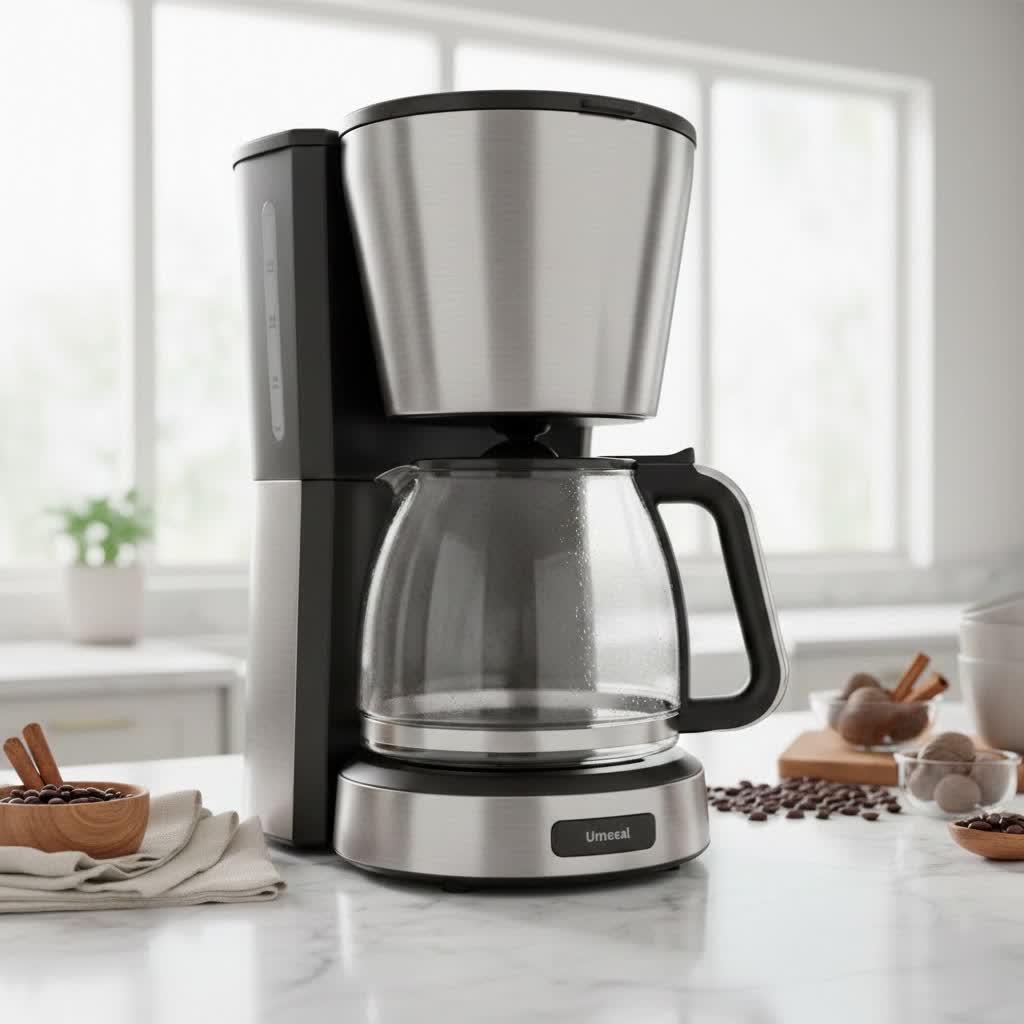
Waking up to the aroma of freshly brewed coffee is a daily ritual for many, but not everyone needs a full pot. If you’re tired of wasted coffee or crave a personalized brew tailored to your exact preferences, a single-serve coffee maker might be your ideal kitchen companion. These compact machines have revolutionized home brewing, offering unparalleled convenience and variety for individuals or small households. This comprehensive guide will walk you through everything you need to know, from understanding the different types and essential features to selecting the best model that perfectly fits your lifestyle and taste.
Total Overview of Single-Serve Coffee Makers
A single-serve coffee maker is specifically designed to brew one cup of coffee at a time, typically yielding between six and ten ounces. This focus on individual portions eliminates the waste often associated with traditional drip machines that brew larger carafes. The concept of brewing individual cups isn’t entirely new; manual methods like the Moka Pot and French press have served single users for decades. However, the modern single-serve coffee maker, particularly the pod-based variety, gained massive popularity in the early 21st century by automating this process, making it faster and more accessible.
The evolution of single-serve brewing reflects a growing demand for speed, simplicity, and customization. Early innovators focused on pre-packaged pods or capsules, which streamlined the brewing process to a push of a button. This convenience, however, often came at the cost of environmental impact due to disposable plastics and limited control over the brewing variables. As consumer preferences evolved, the market responded with more versatile machines, including those that accommodate ground coffee, reusable filters, and offer greater control over brew strength and temperature. Today, the landscape includes a diverse range of single-serve options, from highly automated pod systems to sophisticated manual brewers that cater to coffee connoisseurs.
The most popular types of single-serve coffee makers on the market today include:
- Pod-Based Systems (e.g., Keurig, Nespresso): These are known for ultimate convenience, brewing coffee from pre-packaged capsules with minimal effort. They offer a vast array of flavors and often include features for different cup sizes or specialty drinks.
- Pour-Over Coffee Makers: A manual method that involves pouring hot water over ground coffee in a filter. It offers precise control over brewing variables, allowing for a nuanced and flavorful cup, but requires more user involvement.
- AeroPress: A portable and versatile manual brewer that uses immersion and pressure to produce concentrated coffee or espresso-style shots. It’s beloved by those who enjoy tinkering with their brew.
- Moka Pot: A stovetop espresso maker that brews strong, concentrated coffee by forcing steam through ground coffee. It’s an Italian classic, known for its robust output.
- French Press: An immersion brewing method where coarsely ground coffee steeps in hot water before being pressed down with a plunger. It produces a rich, full-bodied cup with sediment.
- Single-Serve Drip Coffee Makers: Essentially smaller versions of traditional drip machines, designed to brew into a single mug instead of a carafe. Some larger drip machines also include single-serve functions.
- Multi-Format Brewers: These versatile machines can often brew using both coffee pods and ground coffee, sometimes even offering options for tea or hot water dispensing.
Each type offers a unique brewing experience, catering to different priorities, whether it’s speed, flavor control, or environmental considerations.
Factors to Consider When Buying a Single-Serve Coffee Maker (Buying Guide)
Choosing the right single-serve coffee maker can feel overwhelming with the sheer number of options available. To make an informed decision, consider these key factors that align with your coffee habits and lifestyle.
Type of Coffee Maker
|
Our Picks for the Best Coffee Maker in 2026
As an Amazon Associate I earn from qualifying purchases.
|
||
| Num | Product | Action |
|---|---|---|
| 1 | Hamilton Beach 2-Way Programmable Coffee Maker, 12 Cup Glass Carafe And Single Serve Coffee Maker, White with Stainless Steel Accents, 49933 |

|
| 2 | ALPHA LIVING 100 Cups Electric Coffee Urn – Stainless Steel Large Capacity Electric Kettle Percolator Coffee Pot – Ideal Hot Beverage Dispenser for Catering, Hotels, Restaurants –Leak-Proof Tap |
|
| 3 | 500ml Coffee Decanter Glass Drip Coffee Maker with Reusable Stainless Steel Filter and Grip for Home or Office |
|
| 4 | Ninja 12-Cup Programmable Coffee Brewer, 2 Brew Styles, Adjustable Warm Plate, 60oz Water Reservoir, Delay Brew - Black/Stainless Steel |
|
| 5 | BLACK+DECKER CM1160W-1 CM1160W 12-Cup Programmable Coffeemaker, White/Stainless Steel |
|
| 6 | Hamilton Beach 2-Way Programmable Coffee Maker, 12 Cup Glass Carafe And Single Serve Coffee Maker, Black with Stainless Steel Accents, 49980RG |
|
| 7 | Keurig K-Classic Single Serve K-Cup Pod Coffee Maker, Rhubarb |
|
| 8 | BLACK+DECKER 12-Cup Digital Coffee Maker, Programmable, Washable Basket Filter, Sneak-A-Cup, Auto Brew, Water Window, Keep Hot Plate, Black |
|
| 9 | Keurig K-Express Single Serve Coffee Maker – Strong Brew Option, 42oz Reservoir, Sleek Design for Holiday Hosting & Gifting, Black |
|
| 10 | Keurig K-Classic Single Serve K-Cup Pod Coffee Maker, with 3 Brew Sizes, 48oz Removable Reservoir, Black |
|
The brewing method is perhaps the most significant choice. Are you prioritizing convenience or control?
- Pod-Based (Keurig, Nespresso):
- Pros: Incredibly fast and convenient, consistent results, wide variety of flavors and beverage types (including espresso, lattes, iced coffee), minimal cleanup. Ideal for busy mornings.
- Cons: Higher recurring cost for pods, significant environmental waste from single-use plastic pods (though reusable pods are available), less control over brew strength and temperature. Some coffee enthusiasts find the flavor less refined than other methods.
- Best for: Individuals seeking ultimate convenience, quick brews, and variety without effort.
- Pour-Over:
- Pros: Exceptional flavor clarity and aroma, full control over brew variables (water temperature, pour rate, grind size), aesthetically pleasing brewing ritual.
- Cons: Requires more time and precision (e.g., a gooseneck kettle, scale), manual effort, can lose heat quickly for small batches.
- Best for: Coffee aficionados who prioritize taste, enjoy the brewing process, and want complete control.
- AeroPress:
- Pros: Portable, versatile (can make regular coffee or espresso-style concentrate), relatively quick, easy to clean, durable. Offers a good balance of control and convenience.
- Cons: Manual process, requires a bit of a learning curve to master, some find the multi-part design a little more involved than a simple pod machine.
- Best for: Travelers, outdoor enthusiasts, and those who like to experiment with different brewing techniques.
- Moka Pot:
- Pros: Produces strong, rich, espresso-like coffee, durable, relatively inexpensive, compact.
- Cons: Stovetop only, results can be inconsistent if not used correctly, requires monitoring, some find cleanup more involved than pod machines.
- Best for: Those who enjoy strong coffee similar to espresso and appreciate traditional brewing methods.
- French Press:
- Pros: Produces a full-bodied, robust cup, relatively simple to use, no paper filters needed, affordable.
- Cons: Fine sediment can be present in the coffee, requires a coarser grind and longer steep time.
- Best for: Those who prefer a bold, rich coffee with body and don’t mind a little sediment.
Consider your daily routine and how much effort you’re willing to invest in your coffee.
Capacity
When it comes to single-serve coffee makers, capacity primarily refers to two aspects: the size of the single cup it brews and the volume of its water reservoir.
- Brewing Volume: Most single-serve machines brew between 6 and 12 ounces. Determine your typical mug size. Do you prefer a small, strong cup or a larger, more diluted one? Some machines offer adjustable cup sizes, providing flexibility.
- Water Reservoir: A larger water reservoir means fewer refills. If you’re brewing multiple cups throughout the day or for a couple of people, a larger reservoir (e.g., 40+ ounces) will be more convenient. For a true “single-serve” experience where you only make one cup at a time, a smaller reservoir that you fill for each brew might suffice, preventing stale water.
Features
Modern single-serve coffee makers come with a variety of features that enhance convenience and customization.
- Brew Strength Control: Allows you to adjust the intensity of your coffee.
- Temperature Control: Important for specific brewing methods or personal preference, though less common on basic pod machines.
- Hot and Iced Coffee Settings: Some machines can brew over ice for a quick chilled beverage, or even have dedicated iced coffee modes.
- Built-in Frother: For those who enjoy lattes, cappuccinos, or macchiatos, a frother adds barista-style capabilities.
- Timer/Auto Shut-off: Programmable timers allow you to wake up to fresh coffee, while auto shut-off promotes safety and saves energy.
- Multi-format Capability: Brewers that can handle both pods and ground coffee offer the best of both worlds—convenience and flexibility.
- Adjustable Drip Tray: Accommodates different mug heights, from small espresso cups to tall travel mugs.
- Pod Recognition Technology: Nespresso Vertuo machines, for example, scan barcodes on pods to automatically adjust brewing parameters.
Identify which features are truly essential for your daily coffee routine and which are nice-to-haves.
Brand and Price
The market for single-serve coffee makers is competitive, with many reputable brands offering a range of products at various price points.
- Popular Brands: Keurig, Nespresso, Mr. Coffee, Cuisinart, Hamilton Beach, Breville, Ninja, AeroPress, Bialetti, and Hario are among the well-known names. Each has its strengths and target audience.
- Price Range: Entry-level pod machines can start around $50-$100, while more advanced multi-function brewers or high-end manual systems can go upwards of $200-$300. Consider your budget not only for the initial purchase but also for ongoing costs like pods or filters.
- Value vs. Quality: More expensive models often offer better build quality, more features, superior brewing performance, and greater durability. However, excellent value can be found in mid-range options that strike a balance between features and cost. Read reviews and compare models from reputable brands.
Ease of Use and Cleaning
A coffee maker should simplify your morning, not complicate it.
- Ease of Use: Pod-based machines generally offer the simplest operation—insert a pod, press a button. Manual brewers require more steps but can be intuitive once you’re familiar with the process. Look for clear controls and straightforward instructions.
- Ease of Cleaning: This is crucial for longevity and taste.
- Removable Parts: Are the water reservoir, drip tray, and brewing components easily removable for cleaning?
- Dishwasher Safe: Can any parts be washed in a dishwasher?
- Descaling: Most machines require periodic descaling to remove mineral buildup. Look for clear instructions on how to perform this maintenance.
- For manual brewers like the AeroPress, quick rinsing is often sufficient, but deeper cleaning might be needed for specific attachments.
Choosing a machine that is easy to maintain will ensure you enjoy consistently great coffee without added hassle.
Comparison of Popular Single-Serve Coffee Maker Types
To help you visualize the differences, here’s a comparison table of some prominent single-serve coffee maker types:
| Feature/Type | Pod-Based (Keurig/Nespresso) | Pour-Over (e.g., Kalita Wave) | AeroPress | Moka Pot | French Press |
|---|---|---|---|---|---|
| Convenience | Very High (Insert pod, press button) | Low (Manual, requires precision) | Medium (Manual, quick) | Medium (Stovetop, manual) | Medium (Manual, longer steep) |
| Control Over Brew | Low (Pre-set by pod) | Very High (Grind, temp, pour rate) | High (Grind, temp, steep time, pressure) | Medium (Heat, grind, water amount) | High (Grind, temp, steep time) |
| Speed | Very Fast (1-2 minutes) | Moderate (3-5 minutes + setup) | Fast (1-2 minutes) | Moderate (5-10 minutes) | Moderate (4-5 minutes steep) |
| Coffee Quality | Good (Consistent) | Excellent (Flavor clarity) | Excellent (Rich, versatile) | Very Good (Strong, concentrated) | Very Good (Full-bodied) |
| Cost (Initial) | Moderate to High ($70-$300+) | Low to Moderate ($20-$60 + accessories) | Low to Moderate ($30-$50) | Low ($20-$50) | Low ($20-$50) |
| Ongoing Cost | High (Disposable pods) | Low (Filters) | Low (Paper filters, reusable options) | Low (No filters needed) | Low (No filters needed) |
| Environmental Impact | High (Plastic pods, unless reusable) | Low (Paper filters, compostable) | Low (Small paper filters) | Very Low (Reusable) | Very Low (Reusable) |
| Cleanup | Easy (Dispose pod, rinse) | Easy (Rinse, dispose filter) | Easy (Eject puck, rinse) | Moderate (Disassemble, rinse) | Moderate (Dispose grounds, rinse) |
| Specialty Drinks | Some models include frothers, iced options | No | Possible with accessories | No (makes concentrated coffee) | No |
This table provides a quick overview, but deeper dives into specific models within each category are essential for a detailed comparison.
Top Picks: Best Single-Serve Coffee Makers Today
Based on extensive testing and user reviews, here are some of the best single-serve coffee makers available, catering to different preferences and priorities.
Kalita Wave Dripper 155 Series – Best for Pour-Over Enthusiasts
The Kalita Wave Dripper 155 Series stands out for its ability to produce an exceptionally clean and flavorful cup of coffee, making it a top choice for pour-over aficionados. Its unique flat-bottom design with three extraction holes ensures even water dispersion and consistent extraction, which is crucial for single-serve brewing.
- Pros: Delivers excellent taste with high clarity, easy to achieve even saturation, simple to clean, glass construction offers durability and aesthetics. It can brew up to 14 ounces, providing flexibility.
- Cons: The glass version can feel fragile, and some users find the rounded handle less comfortable. It requires manual precision and accessories like a gooseneck kettle and scale for optimal results.
- Notes: This brewer excels due to its narrow base, which promotes a deeper coffee bed for better extraction even with small quantities. It’s an ideal choice for those who value the ritual and nuanced flavors of pour-over coffee.
OXO Rapid Brewer – Best for Coffee Concentrate
For those seeking a versatile machine that can quickly produce rich coffee concentrate for both hot and cold beverages, the OXO Rapid Brewer is an excellent option. Its pressurized chamber sets it apart, allowing for efficient extraction.
- Pros: Incredibly easy to use, produces complex and well-extracted coffee concentrate, works equally well for hot and cold brew, durable plastic construction. It’s a robust and reliable choice for a quick, strong brew.
- Cons: Lacks the “romanticism” of manual pour-overs and isn’t as widely revered by coffee insiders as the AeroPress. The aesthetics are purely functional.
- Notes: This brewer’s ability to create a concentrate means you can dilute it to your preferred strength, making it highly adaptable. It’s particularly praised for its cold brew capabilities, delivering balanced results rapidly.
AeroPress Original Coffee Maker – Best for Tinkering and Travel
The AeroPress Original Coffee Maker has garnered a cult following for its portability, versatility, and the control it offers to users who enjoy experimenting with their brew. With the right accessories, it can deliver a wide range of coffee styles.
- Pros: Highly portable, extremely versatile for different brew styles (from strong concentrate to full-bodied coffee), fast brewing, easy cleanup. The optional Prismo attachment allows for full immersion and even greater control, mimicking espresso-style shots.
- Cons: Requires manual effort and some experimentation to find your preferred method. The multi-part design, especially with attachments, means more components to manage and clean.
- Notes: The AeroPress is celebrated for its ability to produce clean, grit-free coffee. Its forgiving nature allows both beginners and experienced brewers to achieve excellent results, and its compact size makes it perfect for travel.
Nespresso Vertuo Plus Coffee and Espresso Maker by De’Longhi – Best Pod System for Variety
If convenience is your top priority and you appreciate a wide range of coffee and espresso styles, the Nespresso Vertuo Plus by De’Longhi is a standout pod-based system. It offers smart technology for a consistent, high-quality cup.
- Pros: Ultimate convenience, brews various sizes from espresso to full cups of coffee, barcode scanning technology ensures optimal brewing for each pod, sleek design with a movable water tank for counter flexibility.
- Cons: Uses proprietary Nespresso Vertuo pods, which can be more expensive and create environmental waste (though Nespresso offers recycling programs). Serious coffee purists may find the flavor less customizable.
- Notes: This machine excels at delivering a rich, crema-topped coffee or espresso with minimal fuss. Its ability to automatically adjust brewing parameters based on the pod makes it incredibly user-friendly for diverse drink preferences.
Keurig K-Supreme Single Serve K-Cup Pod Coffee Brewer – Best Pod System for Speed and Simplicity
The Keurig K-Supreme is an excellent choice for those who value speed, simplicity, and a broad selection of K-Cup pod flavors. It builds on the classic Keurig experience with enhanced features.
- Pros: Brews coffee extremely quickly (in minutes), offers multiple cup sizes (6, 8, 10, 12 ounces), features “over ice” and “strong brew” modes, and has a movable water reservoir for flexible placement. User-friendly and compatible with a vast array of K-Cup brands.
- Cons: Relies on K-Cup pods, which contribute to environmental waste (reusable K-Cups are available). Coffee quality, while consistent, may not satisfy the most discerning palates compared to manual methods.
- Notes: The K-Supreme is designed for efficiency and everyday use. Its ability to brew iced coffee quickly is a significant advantage, and the strong brew option allows for a more intense flavor profile when desired.
How to Use and Maintain Your Single-Serve Coffee Maker
Proper usage and regular maintenance are key to extending the life of your single-serve coffee maker and ensuring consistently delicious coffee.
General Usage Tips:
- Read the Manual: Always start by reviewing your specific model’s instructions. Each machine has unique operating procedures.
- Use Quality Water: Filtered water prevents mineral buildup and improves coffee taste. Avoid hard water if possible.
- Preheat (for Manual Brewers): For pour-overs and AeroPress, preheating your brewer and mug with hot water helps maintain brewing temperature, which is crucial for optimal extraction.
- Measure Accurately: Especially with manual brewers, using a kitchen scale to measure coffee grounds and water in grams will significantly improve consistency and taste. For an 8-ounce cup, a good starting ratio is 15 grams of coffee to 250 grams of water.
- Fresh Coffee: For ground coffee, always use freshly ground beans for the best flavor.
Maintenance Tips to Extend Lifespan:
- Daily Rinsing: After each use, rinse any removable parts (drip tray, water reservoir, brew basket/filter) with warm water.
- Regular Cleaning:
- Wipe Down Exterior: Keep the exterior clean with a damp cloth.
- Wash Removable Parts: Periodically wash removable components with mild soap and water. Ensure they are thoroughly dry before reassembling.
- Clean Pod Holders (if applicable): For pod machines, regularly clean the needle and pod holder to prevent clogs and ensure proper function. Use a damp cloth or a small brush to remove coffee grounds.
- Descaling: This is perhaps the most critical maintenance step. Mineral deposits (limescale) from water can build up over time, affecting performance and taste.
- Frequency: Descate every 3-6 months, or more frequently if you have hard water or use the machine daily.
- Method: Most manufacturers recommend a descaling solution or a mixture of white vinegar and water. Follow your machine’s specific descaling cycle instructions carefully.
- Replace Filters (if applicable): Some machines have charcoal water filters in the reservoir that need to be replaced every 1-2 months.
Common Issues and How to Fix Them:
- Coffee Not Brewing/Slow Brewing:
- Check Water Level: Ensure the reservoir is filled above the minimum line.
- Clogged Needle/Filter (Pod Machines): Clean the piercing needle and pod holder.
- Limescale Buildup: Perform a descaling cycle.
- Weak Coffee:
- Adjust Strength Setting: If your machine has one, choose a stronger brew option.
- Use More Coffee/Finer Grind: For ground coffee, increase the coffee-to-water ratio or use a finer grind.
- Descaling: Limescale can reduce brewing temperature and pressure.
- Coffee Tastes Burnt/Bitter:
- Too Hot Water: Check if your machine has temperature control; if not, ensure you’re not using boiling water instantly, especially for manual methods.
- Over-extraction: Use a coarser grind, reduce brew time, or adjust the coffee-to-water ratio.
- Dirty Machine: Clean and descale your machine.
By following these simple usage and maintenance guidelines, your single-serve coffee maker will continue to deliver delicious coffee for years to come.
Ultimately, the best single-serve coffee maker is one that consistently delivers a great-tasting cup of coffee while fitting seamlessly into your daily life. Whether you prioritize the lightning-fast convenience of a pod-based system, the artisanal control of a pour-over, or the robust versatility of an AeroPress, there’s a perfect machine out there for you. Consider your habits, taste preferences, and the features that matter most, and you’ll be well on your way to enjoying a perfectly brewed cup, every single time. What does your ideal single-serve coffee experience look like?
Frequently Asked Questions
What is the most environmentally friendly single-serve coffee maker?
The most environmentally friendly single-serve options are typically manual brewers like the French press, Moka pot, or AeroPress, as they produce minimal waste and allow the use of compostable ground coffee. For automatic machines, look for models compatible with reusable pods or those with robust recycling programs for their capsules.
Can I use my own ground coffee in a single-serve coffee maker?
Yes, many single-serve coffee makers are designed to use your own ground coffee. Multi-format brewers offer this flexibility alongside pod compatibility, while manual brewers like pour-overs, AeroPress, and French presses exclusively use ground coffee, offering greater control over bean choice and grind size.
How do I make iced coffee with a single-serve coffee maker?
Some single-serve coffee makers, particularly certain Keurig models, feature a dedicated “over ice” brew setting that automatically adjusts the brewing process to prevent dilution. For other machines, you can brew a strong, concentrated hot coffee and then pour it over a cup filled with ice, allowing it to cool as it dilutes.
How often should I descale my single-serve coffee maker?
It is recommended to descale your single-serve coffee maker every three to six months, or more frequently if you live in an area with hard water or use your machine daily. Descaling removes mineral buildup, ensuring optimal performance, proper heating, and extending the lifespan of your machine.
Get our weekly buyer guide
Practical specs, not advice. Unsubscribe anytime.
