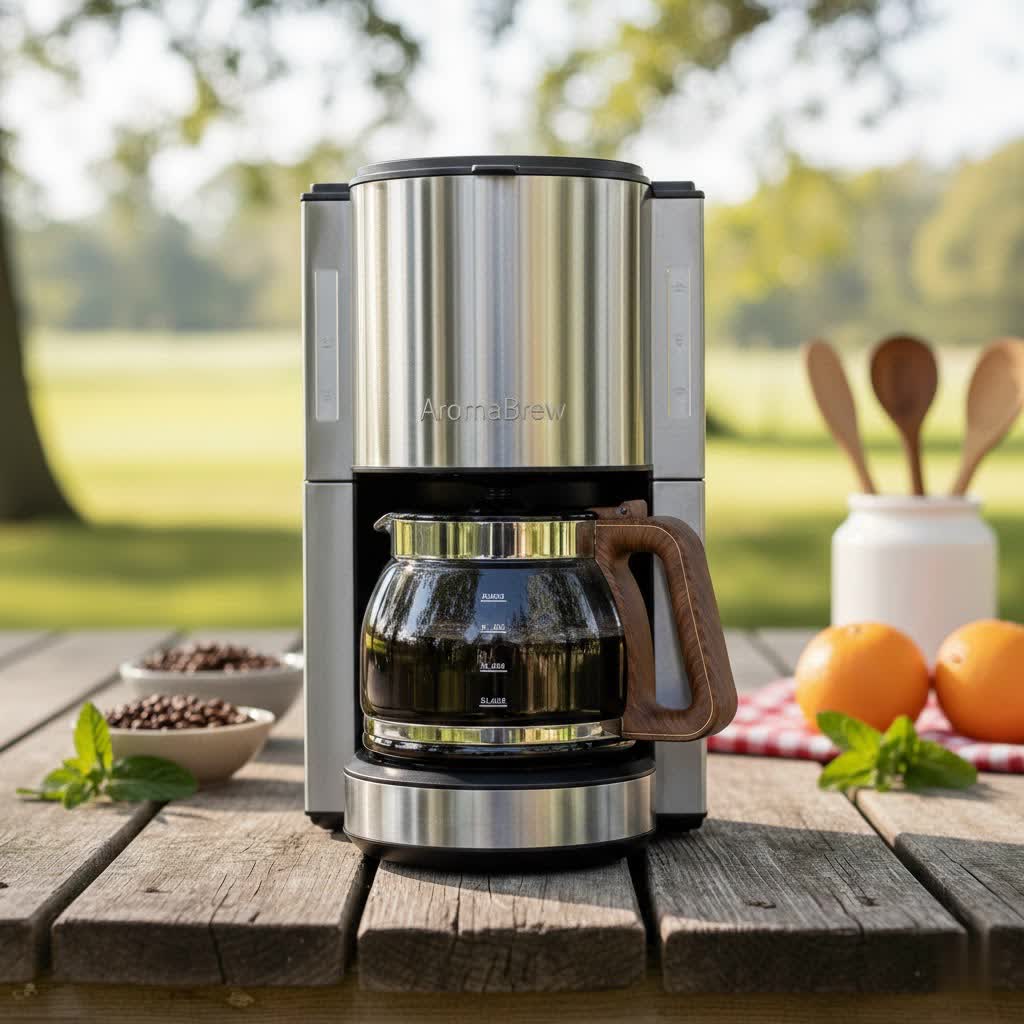
Starting your day with a perfectly brewed cup of coffee at home is a simple luxury that can transform your entire routine. But with an overwhelming array of options available, choosing the right coffee maker for your home can feel like navigating a complex maze. Do you crave the rich crema of an espresso, the classic comfort of a drip brew, or the hands-on ritual of a pour-over? This comprehensive guide will demystify the world of home coffee makers, helping you understand the different types, essential features, and maintenance tips to ensure every cup is a masterpiece.
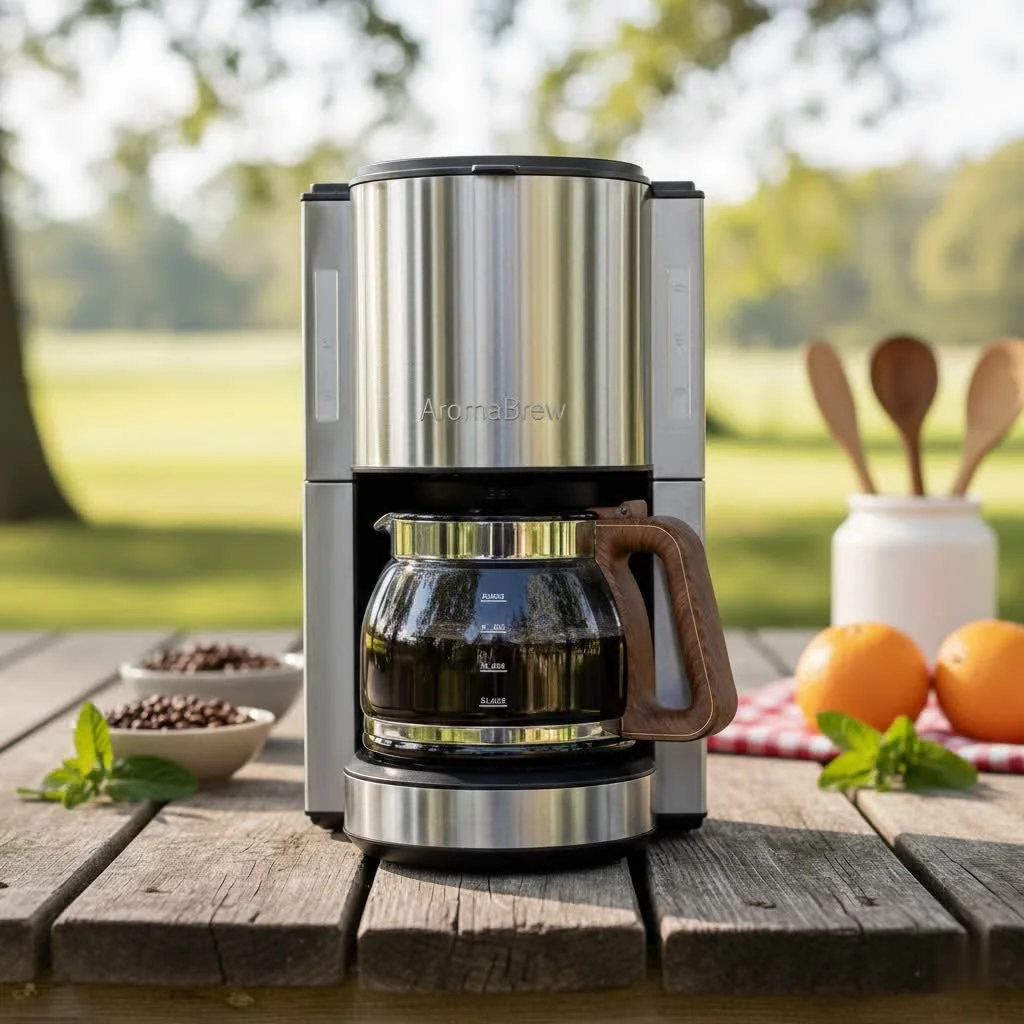
The Heart of Your Home Brew: Understanding Coffee Makers
A coffee maker is essentially a device designed to brew coffee. While the fundamental goal remains the same – extracting flavor from roasted coffee beans – the methods and resulting beverages vary widely. From the earliest forms of brewing over open flames to today’s smart, app-controlled machines, coffee makers have evolved to cater to every taste and lifestyle.
Historically, the simple percolator or stovetop moka pot dominated home kitchens. The mid-20th century saw the rise of the automatic drip coffee maker, popularized by brands like Mr. Coffee, which brought convenience to the masses. Today, the landscape is far richer, offering machines that replicate café-quality drinks with remarkable precision.
Let’s explore the most common types of coffee makers you’ll find for home use:
- Drip Coffee Makers: The quintessential home brewer, these machines slowly drip hot water over ground coffee held in a filter, collecting the brewed coffee in a carafe below. They are ideal for brewing multiple cups and are known for their simplicity and consistent results.
- Espresso Machines: Designed to produce concentrated shots of espresso by forcing hot, pressurized water through finely-ground coffee. These range from manual lever machines requiring significant skill to semi-automatic and super-automatic models that handle much of the process for you, perfect for lattes and cappuccinos.
- French Press: A manual immersion method where coarse-ground coffee steeps in hot water before a plunger presses the grounds to the bottom. This yields a rich, full-bodied coffee with more sediment.
- Pour-Over Brewers: These manual devices involve pouring hot water slowly and evenly over coffee grounds in a cone-shaped filter. It offers baristas a high degree of control over brewing variables, resulting in a clean, nuanced cup.
- Single-Serve Pod Machines: Offering unparalleled convenience, these machines brew a single cup of coffee using pre-packaged pods or capsules. Brands like Keurig and Nespresso dominate this category, providing quick, mess-free brewing.
- Moka Pots: A stovetop coffee maker that brews coffee by passing boiling water pressurized by steam through ground coffee. It produces a strong, espresso-like concentrate.
- Cold Brew Makers: These steep coffee grounds in cold or room-temperature water for an extended period (12-24 hours) to produce a low-acid, smooth coffee concentrate, perfect for iced coffee.
- Bean-to-Cup Machines: The ultimate in convenience, these fully automatic machines grind fresh beans, tamp them, brew the coffee, and often even froth milk, all at the touch of a button.
Your Ultimate Buying Guide for a Home Coffee Maker
Choosing the best coffee maker for your home means balancing your coffee preferences with your lifestyle and budget. Consider these factors before making your decision.
Choosing Your Brew Style: Types of Coffee Makers
|
Our Picks for the Best Coffee Maker in 2026
As an Amazon Associate I earn from qualifying purchases.
|
||
| Num | Product | Action |
|---|---|---|
| 1 | Ninja 12-Cup Programmable Coffee Brewer, 2 Brew Styles, Adjustable Warm Plate, 60oz Water Reservoir, Delay Brew - Black/Stainless Steel |

|
| 2 | Hamilton Beach 2-Way Programmable Coffee Maker, 12 Cup Glass Carafe And Single Serve Coffee Maker, White with Stainless Steel Accents, 49933 |
|
| 3 | Keurig K-Classic Single Serve K-Cup Pod Coffee Maker, Rhubarb |
|
| 4 | 500ml Coffee Decanter Glass Drip Coffee Maker with Reusable Stainless Steel Filter and Grip for Home or Office |
|
| 5 | BLACK+DECKER CM1160W-1 CM1160W 12-Cup Programmable Coffeemaker, White/Stainless Steel |
|
| 6 | Keurig K-Express Single Serve Coffee Maker – Strong Brew Option, 42oz Reservoir, Sleek Design for Holiday Hosting & Gifting, Black |
|
| 7 | Keurig K-Classic Single Serve K-Cup Pod Coffee Maker, with 3 Brew Sizes, 48oz Removable Reservoir, Black |
|
| 8 | Hamilton Beach 2-Way Programmable Coffee Maker, 12 Cup Glass Carafe And Single Serve Coffee Maker, Black with Stainless Steel Accents, 49980RG |
|
| 9 | BLACK+DECKER 12-Cup Digital Coffee Maker, Programmable, Washable Basket Filter, Sneak-A-Cup, Auto Brew, Water Window, Keep Hot Plate, Black |
|
| 10 | ALPHA LIVING 100 Cups Electric Coffee Urn – Stainless Steel Large Capacity Electric Kettle Percolator Coffee Pot – Ideal Hot Beverage Dispenser for Catering, Hotels, Restaurants –Leak-Proof Tap |
|
The type of coffee maker you choose fundamentally determines the kind of coffee you’ll be enjoying.
-
Drip Coffee Makers:
- Pros: Easy to use, brews large quantities, programmable features (auto-start), generally affordable. Many are SCA certified for optimal brewing temperature (195-205°F).
- Cons: Less control over brew variables, coffee can taste “cooked” if left on a hot plate too long (thermal carafes mitigate this).
- Best for: Daily drinkers, households needing multiple cups, those who appreciate simplicity.
-
Espresso Machines (Manual, Semi-Automatic, Super-Automatic):
- Pros: Produces rich, concentrated espresso shots; versatile for milk-based drinks like lattes and cappuccinos; high level of customization for manual/semi-auto.
- Cons: Can be expensive, significant learning curve for manual/semi-auto, requires precise grind and tamping, takes up counter space.
- Best for: Espresso enthusiasts, aspiring home baristas, those who love café-style beverages.
-
French Press:
- Pros: Inexpensive, portable, easy to use, produces a bold, full-bodied coffee, no electricity needed.
- Cons: Can leave sediment in the cup, requires coarse grind, not ideal for light roasts, manual cleaning.
- Best for: Coffee purists, travelers, those who prefer a strong, immersive brew.
-
Pour-Over Brewers:
- Pros: Allows for precise control over extraction, produces a clean, aromatic, and nuanced cup, relatively inexpensive.
- Cons: Requires attention and technique, brews one cup at a time, manual.
- Best for: Coffee aficionados, those who enjoy a ritualistic brewing process, single-serve preference.
-
Single-Serve Pod Machines:
- Pros: Extremely convenient, fast brewing, minimal cleanup, consistent results.
- Cons: Can be expensive due to proprietary pods, environmental waste from pods, limited customization, generally lower coffee quality than other methods.
- Best for: Busy individuals, small households, those prioritizing speed and convenience.
-
Moka Pot:
- Pros: Affordable, compact, no electricity needed, produces strong, espresso-like coffee on a stovetop.
- Cons: Can over-extract if not monitored, requires stovetop use, specific grind size needed.
- Best for: Budget-conscious espresso lovers, those with limited counter space, strong coffee enthusiasts.
-
Cold Brew Makers:
- Pros: Low acidity, naturally sweet, smooth flavor, ideal for iced coffee, can make large batches of concentrate.
- Cons: Long steeping time (12-24 hours), not for hot coffee, requires planning.
- Best for: Iced coffee drinkers, those sensitive to acidity.
-
Bean-to-Cup Machines:
- Pros: Ultimate convenience with one-touch operation, fresh-ground coffee every time, produces various specialty drinks.
- Cons: Very expensive, larger footprint, more complex cleaning and maintenance.
- Best for: Tech-savvy users, households wanting café convenience without the barista effort.
Capacity and Serving Size
How much coffee do you need to brew daily?
- Single-serve machines are perfect for one person or occasional use.
- 8-12 cup drip coffee makers are standard for families or those who drink multiple cups throughout the morning.
- Large thermal carafes are excellent for entertaining or keeping coffee hot for longer without burning.
Essential Features and Customization
Look for features that align with your daily routine and desired coffee experience:
- Programmable Timer: Start your day with a freshly brewed pot waiting for you.
- Auto Shut-Off: For safety and energy saving.
- Brew Strength Control: Adjust the intensity of your coffee to your liking.
- Thermal Carafe: Keeps coffee hot for hours without a heating plate, preventing a burnt taste.
- Built-in Grinder: Ensures the freshest coffee by grinding beans just before brewing. This is often found in higher-end drip or bean-to-cup machines.
- Milk Frother/Steam Wand: Essential for lattes, cappuccinos, and other milk-based drinks on espresso machines.
- Water Filter: Improves coffee taste and reduces mineral buildup, extending the life of your machine.
- SCA Certification: For drip coffee makers, this indicates the machine meets strict standards for brewing temperature (195-205°F) and extraction, ensuring a quality cup.
Brand Reputation and Budget
Reputable brands often offer better durability, customer support, and consistent performance. Some trusted names include Breville, OXO, Ninja, Technivorm, Cuisinart, Smeg, Mr. Coffee, and Nespresso.
- Budget-Friendly ($50-$150): Typically includes basic drip coffee makers, French presses, Moka pots, and entry-level single-serve machines.
- Mid-Range ($150-$500): Offers more advanced drip machines with features like thermal carafes, some semi-automatic espresso makers, and higher-end pour-over setups.
- High-End ($500+): Dominated by advanced semi-automatic and super-automatic espresso machines, and premium bean-to-cup models.
Ease of Use, Cleaning, and Maintenance
Consider how much effort you’re willing to put into your daily coffee routine and cleaning.
- Removable Parts: Machines with easily detachable components (brew basket, water reservoir, drip tray) are much simpler to clean.
- Descaling Indicators/Cycles: Hard water can lead to mineral buildup. Machines with descaling alerts or automatic cleaning cycles make maintenance easier.
- Material Quality: Stainless steel is durable and often easier to clean than certain plastics.
Side-by-Side: Comparing Popular Home Coffee Makers
| Feature | Drip Coffee Maker | Espresso Machine (Semi-Auto) | French Press | Single-Serve Pod Machine |
|---|---|---|---|---|
| Price Range | $50 – $300 | $300 – $1,500 | $20 – $80 | $70 – $250 |
| Ease of Use | Very Easy | Moderate (requires practice) | Easy | Very Easy |
| Coffee Style | Standard black coffee | Espresso, Lattes, Cappuccinos | Bold, full-bodied coffee | Variety of drinks |
| Customization | Limited (brew strength) | High (grind, tamp, shot time) | Moderate (steep time) | Limited |
| Capacity | Multiple cups (8-14) | 1-2 shots per brew | Multiple cups (3-8) | Single cup |
| Cleanup | Easy (carafe, filter basket) | Moderate (portafilter, steam wand) | Easy (grounds, beaker) | Very Easy (dispose pod) |
Top Picks: Highly-Rated Coffee Makers for Your Home
While specific models constantly evolve, here are examples of categories and characteristics to look for in top-performing home coffee makers:
Best Overall Drip Coffee Maker: The Precision Brewer
For those who value a consistent, high-quality classic brew, a precision drip coffee maker is an excellent investment. Models like the OXO Brew 8-Cup Coffee Maker or the Ratio Six Coffee Maker consistently receive high marks for their ability to maintain optimal brewing temperatures and even water dispersion, earning SCA certification. They produce a balanced and flavorful cup, often featuring thermal carafes to keep coffee hot without scorching.
Best Budget-Friendly Coffee Maker: Reliable Simplicity
You don’t need to break the bank for good coffee. The Ninja 12-Cup Programmable Coffee Brewer or the Mr. Coffee Simple Brew 12-Cup Switch Coffee Maker offer excellent value. These models typically provide essential features like programmability, auto-shutoff, and sufficient capacity for daily use, making them a popular choice for cost-conscious consumers.
Best for Espresso Lovers: Entry into Home Barista Life
For those dreaming of café-quality espresso drinks, a capable home espresso machine is key. The Breville Bambino Plus Espresso Machine is often lauded as a fantastic entry-level semi-automatic machine, balancing user-friendliness with genuine espresso capability and a powerful steam wand. Another strong contender is the De’Longhi La Specialista Touch, offering more automation for a seamless experience. These machines allow you to experiment with grind size and milk frothing to craft your perfect latte or cappuccino.
> “The secret to truly great home coffee lies not just in the beans, but in understanding your machine’s capabilities and treating it with a little care.” – Admin, Reviewonque.com
Brewing Perfection: Tips for Using and Maintaining Your Coffee Maker
A great coffee maker is only as good as the care it receives. Following these tips will ensure longevity and consistently delicious coffee.
Optimal Brewing Practices:
- Use Freshly Ground Beans: Grind your coffee beans just before brewing. Whole beans retain their flavor compounds much longer than pre-ground coffee. A burr grinder (rather than a blade grinder) provides a more consistent grind, crucial for optimal extraction.
- Achieve the Right Water Temperature: For most brewing methods (especially drip and pour-over), water heated to between 195°F and 205°F (90°C and 96°C) is ideal for extracting maximum flavor without bitterness. Too cold, and your coffee will be under-extracted and weak; too hot, and it will be over-extracted and bitter.
- Use Quality Water: Filtered water free from impurities or strong odors will significantly improve the taste of your coffee and reduce mineral buildup in your machine.
Essential Maintenance and Cleaning:
Regular cleaning is paramount to prevent the buildup of coffee oils and mineral deposits, which can affect taste and machine performance.
- Daily Cleaning:
- Rinse the carafe, filter basket, and any removable parts with warm, soapy water after each use. This prevents coffee oil residue from accumulating.
- Wipe down the exterior of your machine with a damp cloth.
- Weekly Cleaning (for drip coffee makers):
- Run a cycle with equal parts water and white vinegar (or a dedicated descaling solution) to dissolve mineral deposits.
- After the vinegar cycle, run 2-3 cycles with plain water to rinse thoroughly.
- Monthly Deep Clean:
- For espresso machines, backflush the group head if your machine supports it.
- Disassemble and thoroughly clean all removable parts, ensuring they are completely dry before reassembling.
- For machines with a steam wand, clean it immediately after each use by wiping and purging, then deep clean weekly with a milk system cleaner.
- Descaling: Most manufacturers recommend descaling every 1-6 months, depending on your water hardness and usage. Harder water areas will require more frequent descaling. Follow your machine’s specific descaling instructions or use a mixture of white vinegar and water (typically a 1:1 ratio for drip machines).
Troubleshooting Common Issues:
- Weak Coffee: Check your coffee-to-water ratio, grind size (too coarse), or brewing temperature (too low).
- Bitter Coffee: Could be due to over-extraction (too fine a grind, too long a brew time), too hot water, or dirty machine.
- Slow Brewing: Often a sign of mineral buildup requiring descaling, or an overly fine grind causing clogging.
Conclusion
Choosing the perfect coffee maker for your home is a personal journey, but a well-informed decision can bring years of delightful coffee experiences. By understanding the various types, prioritizing features that align with your habits, and committing to regular maintenance, you’ll not only select a machine that fits seamlessly into your kitchen but also consistently brew coffee that rivals your favorite café. So, what kind of coffee masterpiece will you create tomorrow morning?
Frequently Asked Questions
What is the ideal brewing temperature for home coffee makers?
The Specialty Coffee Association (SCA) recommends a brewing temperature between 195°F and 205°F (90°C and 96°C) for optimal extraction and flavor. Machines that consistently hit this range prevent both under-extraction (weak coffee) and over-extraction (bitter coffee).
How often should I descale my coffee maker?
The frequency of descaling depends on your water hardness and how often you use your machine. Generally, descaling every 1 to 3 months is recommended for most home coffee makers. If you live in an area with particularly hard water, you may need to descale more often.
Can I use regular ground coffee in an espresso machine?
While you technically can use regular ground coffee in an espresso machine, it’s not recommended. Espresso machines require a very fine, consistent grind to achieve the necessary pressure and proper extraction for a true espresso shot. Using coarser grounds can lead to weak, under-extracted coffee and damage your machine.
Get our weekly buyer guide
Practical specs, not advice. Unsubscribe anytime.
