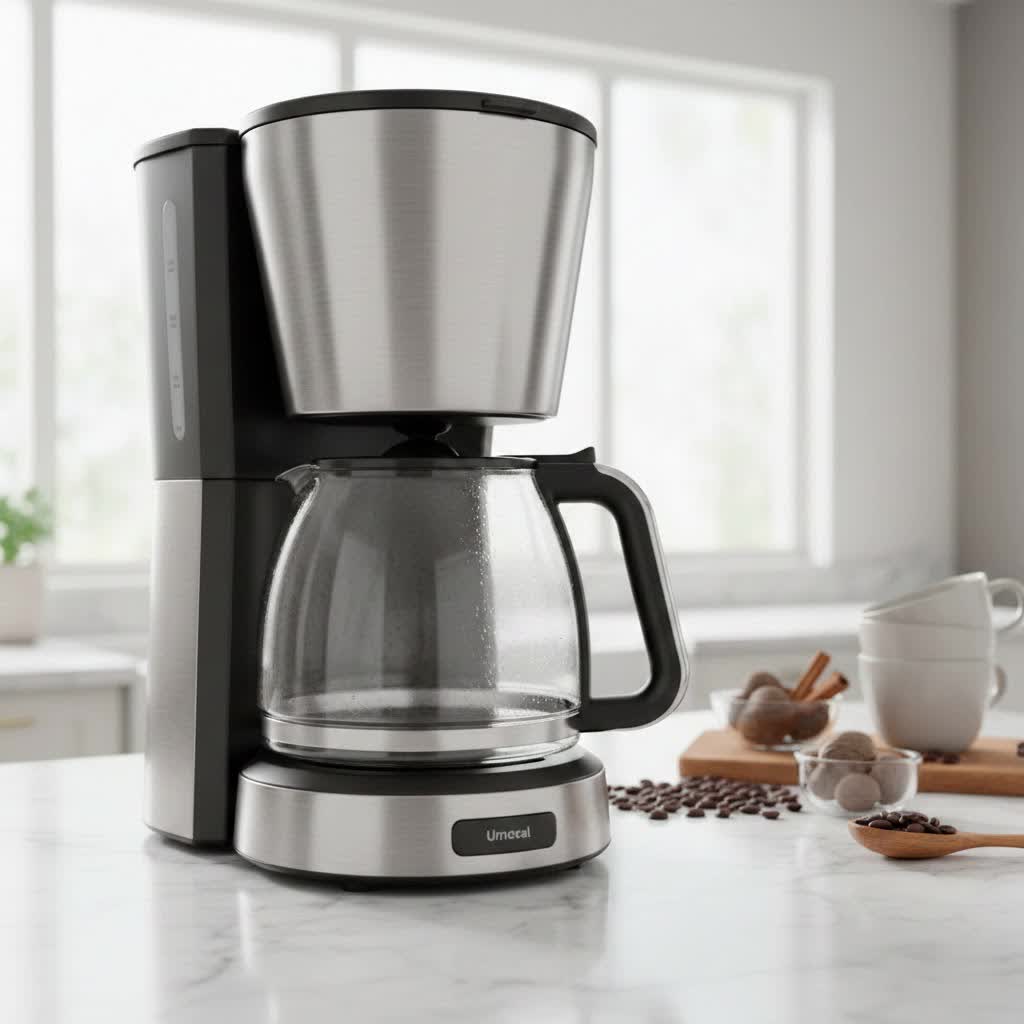
Imagine waking up to the rich aroma of freshly ground coffee, brewed instantly into your perfect cup, all from a single appliance. A coffee maker with a grinder integrated into its design offers this daily luxury, transforming your morning ritual from a multi-step process into a seamless experience. These innovative machines are designed for coffee lovers who crave the superior taste of freshly ground beans without the clutter of separate grinders and brewers. This comprehensive guide will help you navigate the world of integrated coffee makers, ensuring you choose the best model to elevate your home brewing.
Understanding Coffee Makers with Grinders
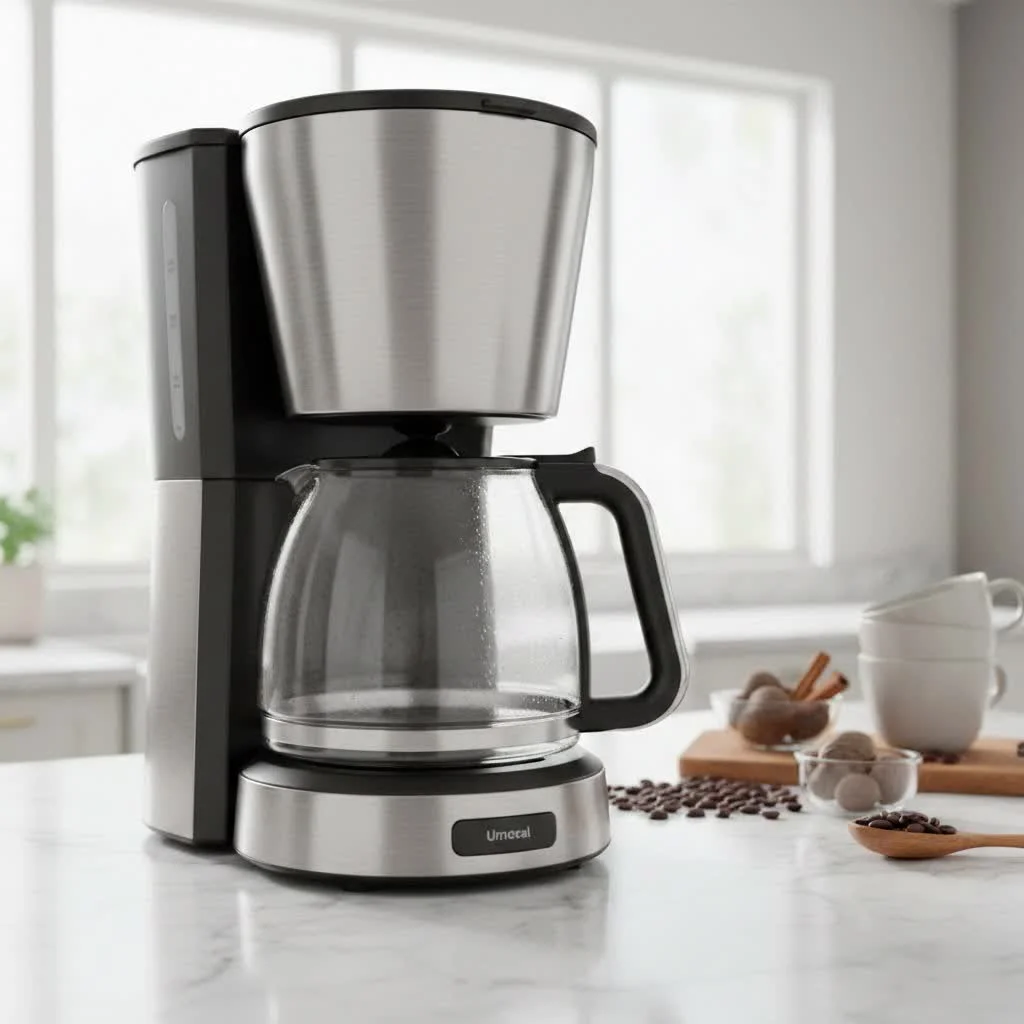
An integrated coffee maker with a grinder is a single appliance that performs two crucial steps of coffee preparation: grinding whole coffee beans and then brewing the coffee. This “grind and brew” functionality provides unparalleled freshness, as beans are ground just moments before brewing, preserving their volatile aromas and flavors. The primary appeal lies in convenience, offering an all-in-one solution that saves time and reduces countertop clutter by eliminating the need for a separate coffee grinder. For shop curated coffee makers on this site.
Historically, coffee preparation involved separate grinding and brewing equipment. However, as consumers sought greater convenience and improved coffee quality at home, manufacturers began developing machines that combined these functions. Early models often featured blade grinders, which, while convenient, didn’t always deliver consistent results. Modern advancements have led to more sophisticated integrated machines, many now incorporating precision burr grinders, programmable settings, and various brewing methods to cater to diverse tastes. The evolution of these machines reflects a growing appreciation for bean-to-cup freshness and the desire for a streamlined, efficient coffee routine.
Several types of integrated coffee makers are popular on the market today, each offering a distinct brewing experience. Drip coffee makers with grinders are common, providing large capacities for daily brews. Espresso machines with built-in grinders cater to those who prefer café-style beverages, grinding beans specifically for a concentrated shot. There are also single-serve grind and brew options for individual servings, as well as super-automatic machines that handle everything from grinding and tamping to frothing milk with minimal user intervention.
Types of Grinders: Burr vs. Blade
The heart of any quality coffee maker with a grinder lies in its grinding mechanism. The choice between a burr grinder and a blade grinder significantly impacts the consistency of your coffee grounds and, consequently, the flavor of your brew. Understanding this difference is crucial for any coffee enthusiast.
Burr grinders are widely considered superior for producing a consistent, uniform grind. They work by crushing coffee beans between two abrasive surfaces, or burrs, which can be either flat or conical. This method allows for precise control over the grind size, from coarse for French press to very fine for espresso. A consistent grind is essential because it ensures that all coffee particles extract at the same rate during brewing, leading to a balanced and flavorful cup without bitterness or weakness. Conical burr grinders, often found in higher-end integrated machines, are generally quieter and create less heat during grinding, further preserving the coffee’s delicate flavors.
Blade grinders, on the other hand, operate more like blenders. They use a spinning blade to chop and smash coffee beans into smaller pieces. While they are faster and more affordable, this chopping action creates an inconsistent mix of very fine powder and larger chunks. This uneven grind leads to uneven extraction: the fine particles can over-extract and turn bitter, while the larger pieces may under-extract, resulting in a weak and unbalanced flavor profile. Blade grinders also generate more heat, which can prematurely degrade the coffee’s aromatic compounds. For those prioritizing flavor consistency and overall brew quality, a burr grinder is almost always the recommended choice.
Factors to Consider When Buying a Coffee Maker with Grinder
Choosing the perfect coffee maker with an integrated grinder involves weighing several key factors against your personal preferences and daily coffee habits. A thoughtful decision ensures your investment delivers the fresh, flavorful coffee you desire.
Grinder Type: Burr vs. Blade
|
Our Picks for the Best Coffee Maker in 2026
As an Amazon Associate I earn from qualifying purchases.
|
||
| Num | Product | Action |
|---|---|---|
| 1 | Keurig K-Classic Single Serve K-Cup Pod Coffee Maker, with 3 Brew Sizes, 48oz Removable Reservoir, Black |

|
| 2 | BLACK+DECKER 12-Cup Digital Coffee Maker, Programmable, Washable Basket Filter, Sneak-A-Cup, Auto Brew, Water Window, Keep Hot Plate, Black |
|
| 3 | BLACK+DECKER CM1160W-1 CM1160W 12-Cup Programmable Coffeemaker, White/Stainless Steel |
|
| 4 | Keurig K-Classic Single Serve K-Cup Pod Coffee Maker, Rhubarb |
|
| 5 | Hamilton Beach 2-Way Programmable Coffee Maker, 12 Cup Glass Carafe And Single Serve Coffee Maker, Black with Stainless Steel Accents, 49980RG |
|
| 6 | ALPHA LIVING 100 Cups Electric Coffee Urn – Stainless Steel Large Capacity Electric Kettle Percolator Coffee Pot – Ideal Hot Beverage Dispenser for Catering, Hotels, Restaurants –Leak-Proof Tap |
|
| 7 | Ninja 12-Cup Programmable Coffee Brewer, 2 Brew Styles, Adjustable Warm Plate, 60oz Water Reservoir, Delay Brew - Black/Stainless Steel |
|
| 8 | 500ml Coffee Decanter Glass Drip Coffee Maker with Reusable Stainless Steel Filter and Grip for Home or Office |
|
| 9 | Keurig K-Express Single Serve Coffee Maker – Strong Brew Option, 42oz Reservoir, Sleek Design for Holiday Hosting & Gifting, Black |
|
| 10 | Hamilton Beach 2-Way Programmable Coffee Maker, 12 Cup Glass Carafe And Single Serve Coffee Maker, White with Stainless Steel Accents, 49933 |
|
As discussed, the grinder type is paramount. Opting for a machine with a burr grinder (especially conical burr) is highly recommended for superior flavor extraction and grind consistency. While burr grinders typically come with a higher price tag, the noticeable difference in coffee quality often justifies the investment. If a machine features a blade grinder, be aware that the grind consistency might be less ideal, potentially affecting your coffee’s taste. Some burr grinders also offer adjustable settings, providing flexibility to experiment with different brew methods and coffee styles.
Brew Method
Consider how you prefer your coffee.
- Drip Coffee Makers with Grinders: These are excellent for brewing larger quantities of coffee, often featuring thermal carafes to keep coffee hot for hours. They are ideal for households where multiple people enjoy coffee or for those who drink several cups throughout the day.
- Espresso Machines with Grinders: For lovers of lattes, cappuccinos, and rich espresso shots, a machine with an integrated espresso grinder is essential. These machines often include steam wands for frothing milk, offering a complete barista experience at home.
- Single-Serve Grind & Brew: These compact machines are perfect for individuals who only need one cup at a time. Some offer compatibility with K-Cup pods in addition to grinding whole beans, adding versatility.
Capacity
The capacity of both the bean hopper and the water reservoir should align with your consumption needs. If you brew for a crowd or drink multiple cups daily, a machine with a larger water reservoir (e.g., 60 ounces or more) and a sizable bean hopper (e.g., 8 ounces or more) will prevent frequent refills. For single-person households or occasional coffee drinkers, a smaller capacity machine might be more space-efficient and cost-effective. Ensure the bean hopper is sufficient for the number of cups you typically brew, as leaving beans in the hopper for extended periods can lead to staleness.
Features
Modern coffee makers with grinders come packed with features designed to enhance convenience and customization.
- Programmability: A programmable timer allows you to set the machine to grind and brew your coffee automatically at a specific time, ensuring a fresh cup is ready when you wake up.
- Brew Strength Control: This feature lets you adjust the intensity of your coffee, catering to individual preferences for a milder or bolder taste.
- Auto Shut-Off: For safety and energy conservation, an auto shut-off function is a valuable addition.
- Filter Type: Look for machines with reusable filters (e.g., gold-tone mesh) to reduce waste, or consider models that use standard paper filters if you prefer easier cleanup.
- Thermal Carafe: A thermal carafe is highly recommended over a glass carafe with a hot plate, as it keeps coffee hot for longer periods without “cooking” it, preserving flavor.
- Grind Off Feature: This allows you to bypass the grinder and use pre-ground coffee, useful for decaf or specialty blends.
Ease of Use and Cleaning
A coffee maker with a grinder, while convenient, can be more complex to clean due to the integrated grinding components. Look for machines with removable, dishwasher-safe parts (like brew baskets and some carafes) to simplify the process. Access to the grinder for cleaning is also vital, as coffee oils and fine grounds can accumulate and impact flavor over time. Some advanced machines offer self-cleaning cycles for their milk frothers or descaling reminders, which can significantly ease maintenance.
Brand Reputation and Price
Established brands like Breville, Cuisinart, and Miele often offer reliable coffee makers with grinders backed by good customer support and warranties. While these machines can be a significant investment, the quality and durability often justify the cost. Compare prices across different retailers and read user reviews to get a sense of long-term satisfaction. Budget-friendly options exist, but be mindful that they may compromise on grinder quality (often featuring blade grinders) or advanced features.
Comparison of Popular Coffee Maker with Grinder Models
To help you make an informed decision, here’s a comparison of some popular coffee maker with grinder models, highlighting their key features and considerations.
| Feature | Breville The Grind Control (Drip) | Breville The Barista Express (Espresso) | Cuisinart Coffee Center Grind & Brew Plus (Drip/Single Serve) | Black+Decker 12-Cup Mill and Brew (Drip) | Miele CM 5310 Silence (Super-Automatic Espresso/Drip) | xBloom Studio (Smart Pour-over) |
|---|---|---|---|---|---|---|
| Grinder Type | Burr (Conical) | Conical Burr | Burr (Some sources cite blade) | Blade | Burr (Conical) | Conical Burr |
| Brew Method | Drip | Espresso | Drip / Single Serve | Drip | Espresso / Drip | Pour-over |
| Capacity | 12 cups | Single serve | 12 cups / Single Serve (48oz reservoir) | 12 cups | Single Serve (makes 10 different beverages) | Single cup |
| Key Features | Customizable grind/brew settings, programmable timer, thermal carafe, easy to clean grinder | Integrated frother, tamper, precise grind control, customizable settings, manual/automatic operation | Hybrid design, programmable, brew strength control, grind-off, hot plate (glass carafe) | Programmable timer, brew strength, keep warm function, dishwasher-safe parts | Fully automatic, quiet, multiple user profiles, self-cleaning (milk frother) | App-controlled customization, barcode scanning for pods, minimal cleaning |
| Pros | Consistent grind, customizable, quick brew, thermal carafe, reusable filter, easy grinder cleaning | Café-quality espresso, precise grinder, excellent frothing, sleek design | Versatile (carafe/single-serve), user-friendly, hot coffee | Affordable, programmable, easy cleanup | High-end features, quiet, fast, user profiles, self-cleaning, versatile drinks | Ultimate customization, no cleaning (for pods), superior brew quality |
| Cons | Large footprint, some reports of not getting hot enough, higher price | Learning curve, higher price | Large, some reports of loud grinder, conflicting information on grinder type | Loud blade grinder, inconsistent grinds, glass carafe (no thermal) | Very high price, relatively small water reservoir | Initial learning curve, high price, only single-serve, uses specific pods |
| Price Range | Mid-High ($300-400) | High ($500+) | Mid ($150-250) | Low ($50-100) | Very High ($1800+) | High ($600+) |
Note on Cuisinart Coffee Center Grind & Brew Plus: While some reputable sources indicate this model has a burr grinder, The Spruce Eats specifically notes it features a blade grinder, which may lead to less consistent results.
Top Picks: Best Coffee Makers with Grinders Today
Based on extensive testing and expert reviews, here are some of the standout coffee makers with integrated grinders that deliver exceptional performance and fresh, flavorful coffee.
Breville The Grind Control Coffee Maker – Editor’s Choice for Drip Coffee
The Breville The Grind Control Coffee Maker is consistently lauded as a top performer for drip coffee enthusiasts. What sets this machine apart is its integrated burr grinder, which offers precise control over grind size, ensuring a consistently flavorful brew. It boasts numerous customizable settings, including adjustable brew strength, grind coarseness, and brew size, along with a programmable timer to wake up to fresh coffee. Testing shows it brews a full pot in approximately six minutes, and its stainless steel thermal carafe keeps coffee warm for hours without compromising flavor. Reviewers often highlight its user-friendly LED screen and integrated reusable gold filter. While it requires a bit of counter space and is an investment, its premium features and consistent performance make it a favorite for many.
Breville The Barista Express – Best for Espresso Lovers
For those who dream of crafting café-quality espresso at home, the Breville The Barista Express Espresso Machine is an outstanding choice. This semi-automatic machine features an integrated precision conical burr grinder, allowing you to grind beans directly into the portafilter just before extraction. It includes a powerful steam wand for creating silky microfoam for lattes and cappuccinos, along with customizable settings for grind size and shot volume. Although there’s a slight learning curve to mastering the art of espresso making, the quality of coffee it produces is exceptional, making it a worthwhile investment for serious espresso drinkers.
Cuisinart Coffee Center Grind & Brew Plus – Best for Versatility
The Cuisinart Coffee Center Grind & Brew Plus offers impressive versatility, catering to both single-serve and full-pot brewing needs. This hybrid machine allows you to either grind fresh beans for a 12-cup carafe or use K-Cup pods for individual servings. It features a programmable interface for setting brew strength and pot size, alongside a convenient “grind-off” function for using pre-ground coffee. While there’s some conflicting information on whether it uses a burr or blade grinder across different reviews, many users appreciate its ease of use and the ability to customize their morning brew. Its dual functionality makes it an excellent option for households with varied coffee preferences.
Maximizing Your Grind and Brew Experience: Tips and Maintenance
Owning a coffee maker with a grinder is the first step towards exceptional coffee. To ensure every cup is outstanding and your machine enjoys a long lifespan, proper usage and maintenance are key.
- Choose High-Quality Whole Beans: The freshest coffee starts with the freshest beans. Purchase whole beans, ideally within a few weeks of their roast date, and store them in an airtight container away from light, heat, and moisture. Avoid buying pre-ground coffee if your machine has an integrated grinder, as this defeats the purpose of the fresh-grind feature.
- Experiment with Grind Settings: Most integrated burr grinders offer adjustable settings. The ideal grind size depends on your brew method and desired strength. For drip coffee, a medium grind (like granulated sugar) is generally recommended. Espresso requires a very fine grind, while a French press needs a coarser grind. Don’t be afraid to experiment to find what tastes best for your beans and machine.
- Regular Cleaning is Crucial: Coffee oils and fine grounds accumulate over time, leading to stale flavors and potential blockages.
- Grinder Cleaning: For machines with removable grinders, clean burrs with a dry cloth or a soft brush to remove grounds and oils. If the grinder is integrated and not removable, use a small brush (often included with the machine or a dedicated grinder brush) to clear out residual grounds from the hopper and grinding chamber. Some experts recommend using natural, biodegradable cleaning tablets designed for coffee grinders.
- Coffee Maker Cleaning (Descaling): Mineral buildup from water can affect brew temperature and flavor. Descale your coffee maker regularly, typically every 1-3 months depending on water hardness. A common method involves running a 1:1 solution of white vinegar and water through a brew cycle, followed by several cycles of fresh water to rinse thoroughly. Always refer to your manufacturer’s instructions for specific descaling procedures and recommended products.
- Removable Parts: Wash the brew basket, carafe, and any other removable parts with warm, soapy water after each use to prevent residue buildup. Check if parts are dishwasher-safe; otherwise, hand-wash.
- Replace Water Filters: If your machine has a built-in water filter, replace it as recommended in the user manual to ensure the best water quality for brewing.
- Troubleshooting Common Issues: If your coffee tastes weak or bitter, check your grind size (finer for stronger, coarser for weaker), adjust brew strength settings, and ensure proper water temperature. If the machine isn’t brewing, check water levels, bean hopper levels, and for any clogs in the grinder or brew path. Regular maintenance often prevents most common problems.
> “Grinding your own coffee is well worth it. After the beans themselves, the grind of your coffee is the most important factor in achieving the flavor you crave. Freshly ground coffee retains more essential oils and aromatic compounds, which begin breaking down almost immediately after grinding due to oxidation.” – Paul Melotte, Owner, Mōzza Coffee Roasters
Conclusion
A coffee maker with a grinder is an invaluable addition to any kitchen, offering the ultimate convenience of fresh, bean-to-cup coffee with every brew. The ability to grind whole beans just moments before brewing ensures you capture the peak flavor and aroma, a stark contrast to pre-ground options. From the versatility of a drip machine with programmable features to the precision of an espresso maker with an integrated burr grinder, there’s a model designed to suit every coffee preference and lifestyle.
When selecting your ideal machine, prioritize a quality burr grinder for consistent results, consider your preferred brew method and capacity needs, and look for features that enhance usability and simplify maintenance. While integrated machines often represent a greater initial investment, the long-term benefits of superior coffee quality, convenience, and reduced clutter are undeniable. By understanding the options and maintaining your machine properly, you’ll unlock a world of aromatic, flavorful coffee experiences right in your home. What will be your next freshly ground and brewed coffee creation?
Frequently Asked Questions
Is it worth getting a coffee maker with a built-in grinder?
Yes, for many coffee enthusiasts, it’s definitely worth it. Integrated coffee makers offer unmatched freshness by grinding beans immediately before brewing, which significantly enhances flavor and aroma. They also provide convenience by combining two appliances into one, saving counter space and simplifying your morning routine.
What is the main difference between burr and blade grinders in coffee makers?
The main difference lies in how they process coffee beans. Burr grinders crush beans uniformly between two abrasive surfaces, allowing for precise grind size control and consistent extraction. Blade grinders, conversely, chop beans unevenly with a spinning blade, resulting in inconsistent particle sizes that can lead to unbalanced and less flavorful coffee.
How often should I clean my coffee maker with a grinder?
For optimal performance and taste, you should clean the removable parts (brew basket, carafe) daily with warm, soapy water. The grinder mechanism should be brushed out regularly, ideally weekly, to remove stale grounds and oils. Descaling the entire machine to remove mineral buildup is recommended every 1-3 months, depending on your water hardness and usage.
Can I use pre-ground coffee in a coffee maker with a grinder?
Many coffee makers with integrated grinders offer a “grind-off” or bypass feature that allows you to use pre-ground coffee. This is useful if you have decaf, a specific specialty blend, or if you simply prefer not to grind beans for a particular brew. However, for the freshest taste, using whole beans and the integrated grinder is recommended.
Do coffee makers with grinders take up more counter space?
Generally, yes, coffee makers with built-in grinders tend to be larger than standard drip coffee makers because they house both a brewing system and a grinding mechanism. However, they also eliminate the need for a separate grinder, which can ultimately save overall counter space compared to having two distinct appliances. Compact single-serve options are also available.
Get our weekly buyer guide
Practical specs, not advice. Unsubscribe anytime.
