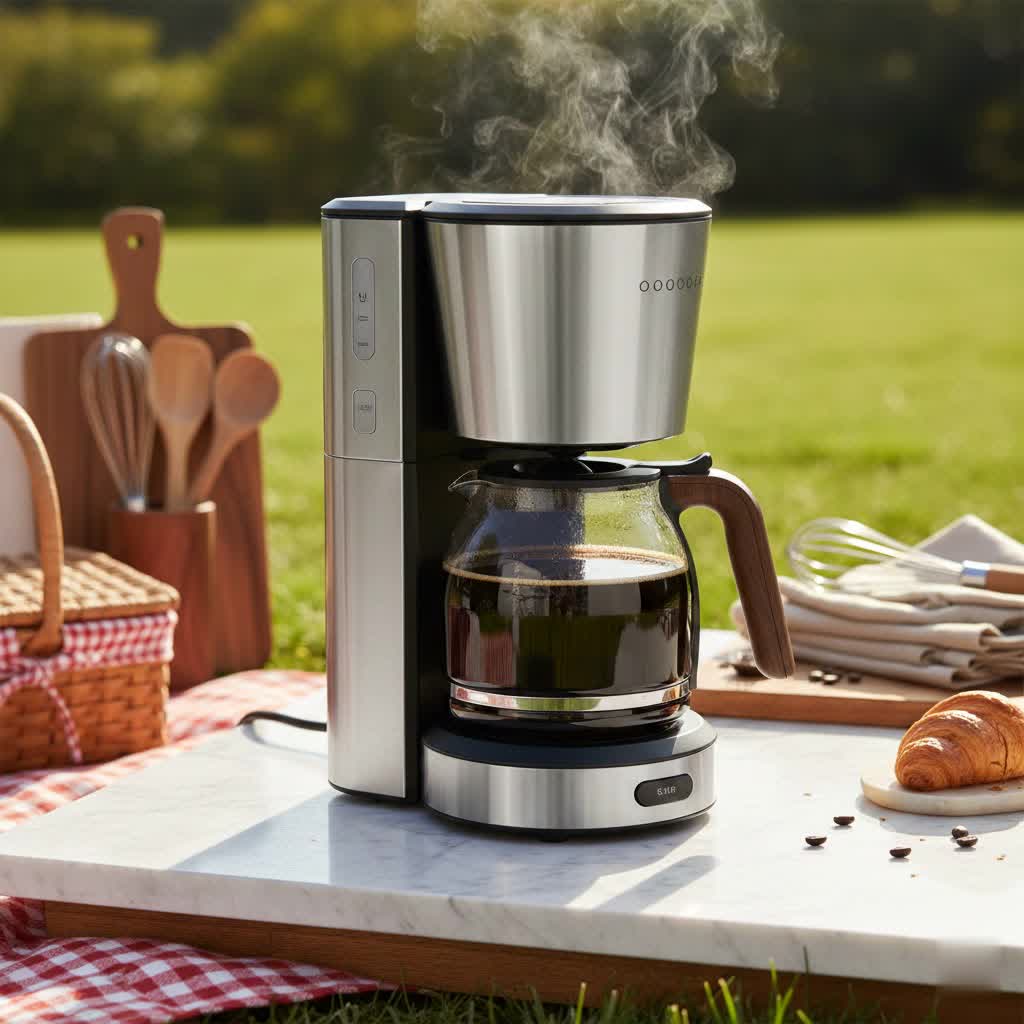
Many of us start our day with a comforting cup of coffee, a ritual that energizes and delights. But have you ever considered what materials your beloved coffee maker is made from? In an increasingly health-conscious and environmentally aware world, the shift towards a plastic-free coffee maker is more than just a trend—it’s a choice for purity, sustainability, and well-being. This comprehensive guide will navigate you through the world of plastic-free brewing, helping you select a machine that delivers a clean, delicious cup every time.
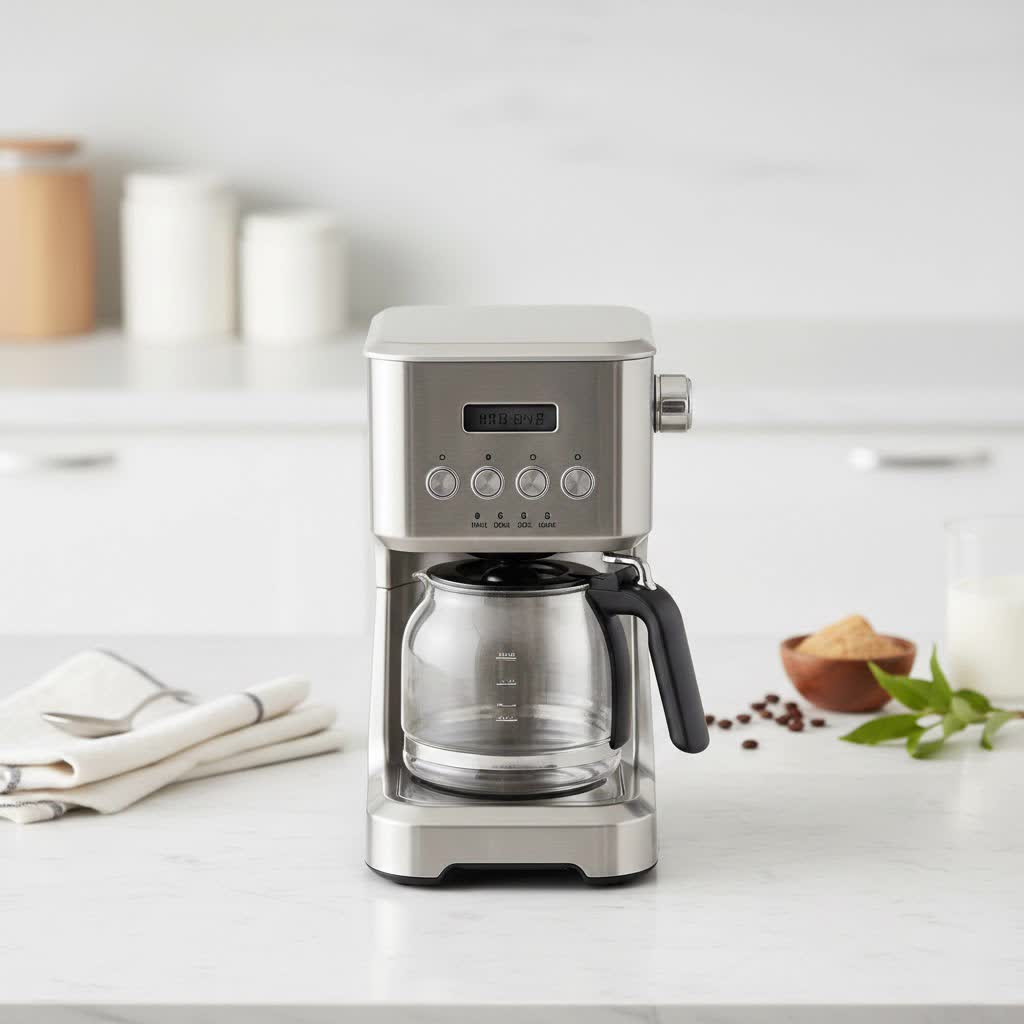
Understanding Plastic-Free Coffee Makers
At its core, a plastic-free coffee maker is designed to ensure that no plastic components come into contact with your hot water or coffee during the brewing process. While some machines may have external plastic parts for insulation or aesthetics, the critical distinction lies in the brew path itself.
The primary motivation behind choosing plastic-free options stems from growing health concerns. When heated, plastics, even those labeled “BPA-free,” can leach harmful chemicals such as bisphenols (BPA, BPS, BPF), phthalates, and PFAS into your beverage. These endocrine-disrupting chemicals have been linked to a range of adverse health effects, including hormonal imbalances, reproductive issues, certain cancers, diabetes, and obesity. Beyond chemical leaching, the rise of microplastics—tiny plastic particles—is another significant worry, as these unseen contaminants can find their way into our daily brews.
Environmentally, opting for a plastic-free coffee maker contributes to reducing plastic waste, a major global challenge. It lessens reliance on petroleum-based products and supports a more sustainable consumption cycle. Historically, coffee brewing evolved from simple stovetop methods and manual presses using metal or ceramic. Modern convenience introduced plastics, but now, there’s a resurgence of interest in these traditional, healthier materials.
Key Materials for Plastic-Free Brewing
The cornerstone of a truly plastic-free brewing experience lies in the materials that handle your coffee and hot water.
- Stainless Steel: Renowned for its durability, excellent heat retention, and non-reactive properties, high-grade stainless steel is a top choice. It’s resistant to corrosion and does not impart any flavors or chemicals into your coffee. You’ll find it in French presses, Moka pots, percolators, and the internal components of many high-quality automatic machines.
- Borosilicate Glass: This specialized glass is celebrated for its exceptional heat resistance and non-porous surface, making it ideal for carafes, pour-over cones, and even entire brewers like the Chemex. Borosilicate glass ensures the purest flavor extraction, as it won’t absorb odors or leach any substances into your coffee.
- Ceramic and Porcelain: Often utilized for pour-over drippers, ceramic and porcelain are inert materials that provide consistent heat during brewing. They are durable, easy to clean, and, like glass, do not chemically interact with your coffee.
- Minimizing Silicone and “BPA-Free” Plastics: While the goal is “plastic-free,” some automatic machines may use minimal amounts of food-grade silicone for gaskets or BPA-free plastics in non-contact areas. When absolute zero plastic contact is challenging to achieve, prioritize models that restrict these materials to areas not touching hot water or coffee, and ensure they are certified free from a wide range of harmful bisphenols and phthalates.
Types of Plastic-Free Coffee Makers
Finding a coffee maker that aligns with your plastic-free goals often depends on your preferred brewing method and willingness for manual involvement.
Pour-Over Coffee Makers
Pour-over systems offer a minimalist approach to brewing, providing exceptional control over the coffee extraction process.
- Description: This method involves manually pouring hot water over coffee grounds held in a filter cone, allowing the brewed coffee to drip directly into a carafe.
- Pros: Pour-over brewers are often the easiest to find in truly plastic-free configurations, typically made entirely of glass, ceramic, or stainless steel. They produce a clean, bright cup, allowing the intricate flavors of the coffee to shine.
- Cons: This is a manual method requiring precision and attention, which can be time-consuming for some.
- Examples: Iconic models like the Chemex, various Hario V60 ceramic drippers, and simple Bodum or COSORI glass pour-overs are excellent choices.
|
Our Picks for the Best Coffee Maker in 2026
We may earn a commission when you use one of our links to make a purchase.
|
||
| Num | Product | Action |
|---|---|---|
| 1 | BLACK+DECKER CM1160W-1 CM1160W 12-Cup Programmable Coffeemaker, White/Stainless Steel |

|
| 2 | Keurig K-Express Single Serve Coffee Maker – Strong Brew Option, 42oz Reservoir, Sleek Design for Holiday Hosting & Gifting, Black |
|
| 3 | 500ml Coffee Decanter Glass Drip Coffee Maker with Reusable Stainless Steel Filter and Grip for Home or Office |
|
| 4 | Keurig K-Classic Single Serve K-Cup Pod Coffee Maker, with 3 Brew Sizes, 48oz Removable Reservoir, Black |
|
| 5 | Hamilton Beach 2-Way Programmable Coffee Maker, 12 Cup Glass Carafe And Single Serve Coffee Maker, White with Stainless Steel Accents, 49933 |
|
| 6 | Ninja 12-Cup Programmable Coffee Brewer, 2 Brew Styles, Adjustable Warm Plate, 60oz Water Reservoir, Delay Brew - Black/Stainless Steel |
|
| 7 | BLACK+DECKER 12-Cup Digital Coffee Maker, Programmable, Washable Basket Filter, Sneak-A-Cup, Auto Brew, Water Window, Keep Hot Plate, Black |
|
| 8 | ALPHA LIVING 100 Cups Electric Coffee Urn – Stainless Steel Large Capacity Electric Kettle Percolator Coffee Pot – Ideal Hot Beverage Dispenser for Catering, Hotels, Restaurants –Leak-Proof Tap |
|
| 9 | Hamilton Beach 2-Way Programmable Coffee Maker, 12 Cup Glass Carafe And Single Serve Coffee Maker, Black with Stainless Steel Accents, 49980RG |
|
| 10 | Keurig K-Classic Single Serve K-Cup Pod Coffee Maker, Rhubarb |
|
French Press Coffee Makers
For those who enjoy a richer, full-bodied coffee with more texture, a French press is an outstanding plastic-free contender.
- Description: Coarsely ground coffee is steeped in hot water, then separated by a plunger with a mesh filter that presses the grounds to the bottom of the carafe.
- Pros: Many French presses are made entirely of stainless steel or glass with stainless steel components, offering a robust and durable plastic-free solution. They are simple to use and clean.
- Cons: The brewing process can leave some fine sediment in the cup, and maintaining consistent water temperature during steeping is crucial.
- Examples: Brands like Frieling, Fellow Clara, and MuellerLiving offer highly-rated stainless steel and glass French presses.
Moka Pots (Stovetop Espresso Makers)
Hailing from Italy, Moka pots deliver a strong, espresso-like coffee that’s perfect for lattes or a potent morning shot.
- Description: Water in the bottom chamber is heated on a stovetop, creating steam pressure that forces it through ground coffee in a middle filter basket, collecting brewed coffee in the upper chamber.
- Pros: Traditional Moka pots are predominantly made from stainless steel or aluminum (though stainless steel is preferred for plastic-free goals) and offer a compact, durable brewing solution without plastic in the brew path.
- Cons: They produce a smaller volume of coffee and require a stovetop.
- Examples: The Bialetti Venus (stainless steel) and Cuisinox Roma are popular choices.
Manual Espresso and Percolators
For specific brewing preferences, manual espresso makers like the ROK or Flair offer a hands-on approach to espresso without electricity or plastic in the brew path. Stainless steel percolators, such as those from Hamilton Beach or Farberware, are also available as fully metal options, providing a classic, robust brew.
Automatic Drip Coffee Makers (The Challenge)
Achieving a 100% plastic-free automatic drip coffee maker can be the most challenging. Many automatic machines, even high-end ones, contain some plastic components, particularly in the internal plumbing, water reservoirs, or filter baskets.
- Why 100% plastic-free is rare: Plastic is often used for its affordability, heat retention, and ease of molding complex shapes required for automated functions.
- Brands minimizing plastic: Some brands, like Aarke and Technivorm Moccamaster, are lauded for minimizing plastic contact with hot water and using higher-quality, certified BPA/BPS/phthalate-free plastics in non-contact areas. The BUNN VP17-1 has even been noted for its stainless steel construction, with options to replace plastic funnels.
- What to look for: If an automatic machine is a must, prioritize models with a glass or stainless steel carafe, and ensure that any plastic parts are minimal and, most importantly, do not touch the hot water or brewed coffee.
Essential Factors When Choosing Your Plastic-Free Coffee Maker
Selecting the perfect plastic-free coffee maker involves more than just material considerations. Here’s what to weigh:
Brewing Method & Lifestyle
Your daily routine significantly influences your choice. Do you cherish the ritual of manual brewing, offering precise control over every variable? Or do you need the convenience of an automatic machine that prepares your coffee with minimal effort? Manual methods like pour-overs and French presses are typically easier to find in truly plastic-free designs, while automatic machines may require more scrutiny.
Capacity & Serving Needs
Consider how much coffee you need to brew at once. Single-serve pour-overs or Moka pots are ideal for one or two people, while larger French presses or select automatic drip machines can cater to families or entertaining guests. Ensure the capacity aligns with your daily consumption.
Ease of Cleaning & Maintenance
A coffee maker should not only brew well but also be easy to maintain. Look for models with removable, dishwasher-safe components, especially those that come into contact with coffee. Simple designs often translate to easier cleaning, reducing the likelihood of residue buildup and ensuring hygienic operation.
Budget & Investment
Plastic-free coffee makers, particularly those made with high-quality stainless steel or borosilicate glass, might have a higher upfront cost than their plastic counterparts. However, view this as an investment in durability, health, and a reduced environmental footprint. These machines are often built to last, potentially saving you money on replacements in the long run.
Certifications & Brand Transparency
Always seek clear information from manufacturers about the materials used. Look for assurances like “BPA-free,” “BPS-free,” “phthalate-free,” and “PFAS-free.” Brands that are transparent about their material sourcing and manufacturing processes instill greater confidence in their commitment to truly plastic-free options.
Top Picks: Highly-Rated Plastic-Free Coffee Makers
Based on expert reviews and consumer preferences, here are a few standout models that exemplify plastic-free brewing:
Chemex Pour-Over Coffeemaker
Often hailed as the “gold standard” for non-toxic brewing, the Chemex is crafted from a single piece of non-porous borosilicate glass. Its elegant design and pure glass construction ensure zero plastic contact with your water or coffee, producing an exceptionally clean and bright cup. It’s a manual brewer that appeals to those who appreciate the art of coffee making.
Technivorm Moccamaster KBGV Select
For those who prefer the convenience of an automatic drip machine with minimal plastic, the Technivorm Moccamaster KBGV Select stands out. Hand-made in the Netherlands, this machine features a durable stainless steel body and glass carafe, with plastic components designed to be BPA, BPS, BPF, and phthalate-free, primarily used in non-contact areas. It’s also Specialty Coffee Association (SCA) certified for meeting rigorous brewing standards.
Fellow Clara French Press
The Fellow Clara French Press offers a sophisticated, plastic-free take on a classic. Constructed from high-quality stainless steel with a double-walled, vacuum-insulated design, it keeps coffee hot for extended periods. Its minimalist aesthetic and robust build make it a favorite for those seeking a durable and entirely plastic-free French press experience.
Maintaining Your Plastic-Free Coffee Maker for Longevity
Investing in a plastic-free coffee maker means choosing a durable, high-quality appliance. Proper care will ensure it lasts for years, providing you with countless healthy cups of coffee.
- Regular Cleaning: After each use, rinse all components that contacted coffee. For glass or stainless steel parts, warm soapy water and a soft brush are usually sufficient. Many components of plastic-free makers are dishwasher-safe; always check the manufacturer’s instructions.
- Descaling: Mineral buildup from water can affect performance and taste. Descale your coffee maker every 1-3 months, depending on your water hardness, using a vinegar solution or a commercial descaling agent designed for coffee makers.
- Checking for Wear: Periodically inspect gaskets, seals, and other moving parts for any signs of wear or damage. While less common with high-quality materials, proactive maintenance prevents minor issues from becoming major problems.
Conclusion
Choosing a plastic-free coffee maker is a conscious decision that benefits both your health and the environment. By opting for appliances crafted from stainless steel, borosilicate glass, or ceramic, you safeguard your morning brew from potential chemical contamination and contribute to a more sustainable lifestyle. Whether you prefer the ritualistic precision of a pour-over, the robust flavor of a French press, or the convenience of a thoughtfully designed automatic machine, there’s a plastic-free option waiting to transform your coffee experience. Embrace the purity and quality of a brew untouched by plastic, and savor every sip.
What steps will you take to make your coffee routine truly plastic-free?
Câu Hỏi Thường Gặp
Are there any truly 100% plastic-free automatic coffee makers?
Finding an automatic drip coffee maker that is absolutely 100% plastic-free in all components, including internal tubing, is exceptionally rare due to design and manufacturing complexities. However, many models are designed to ensure that no plastic touches hot water or brewed coffee, prioritizing glass and stainless steel in the brew path while using certified safe plastics in non-contact areas.
What is BPA-free plastic, and is it truly safe?
BPA-free plastic means the material does not contain Bisphenol A, a chemical linked to various health issues. While a step in the right direction, studies suggest that other bisphenols, like BPS and BPF, used as BPA substitutes, may have similar endocrine-disrupting properties. For maximum safety, prioritizing materials like glass and stainless steel that eliminate plastic contact altogether is recommended.
Why is plastic in coffee makers a concern?
The concern with plastic in coffee makers, especially when exposed to hot water and acidic coffee, is the potential for harmful chemicals (like BPA, BPS, phthalates, and PFAS) to leach into your beverage. These chemicals are linked to a range of health problems and can also affect the purity and taste of your coffee. Microplastics are an additional environmental and health concern.
What materials should I prioritize for a plastic-free coffee maker?
When seeking a plastic-free coffee maker, prioritize models primarily constructed from high-grade stainless steel, borosilicate glass, or ceramic. These materials are non-reactive, durable, and will not leach chemicals into your coffee, ensuring a clean and pure brew.
Are French presses generally plastic-free?
Many French presses are excellent choices for plastic-free brewing. Look for models featuring stainless steel or glass carafes, plungers, and lids. Be mindful that some designs may incorporate small plastic or silicone components, particularly in the lid or plunger mechanism, so always verify the materials that will contact hot water and coffee.