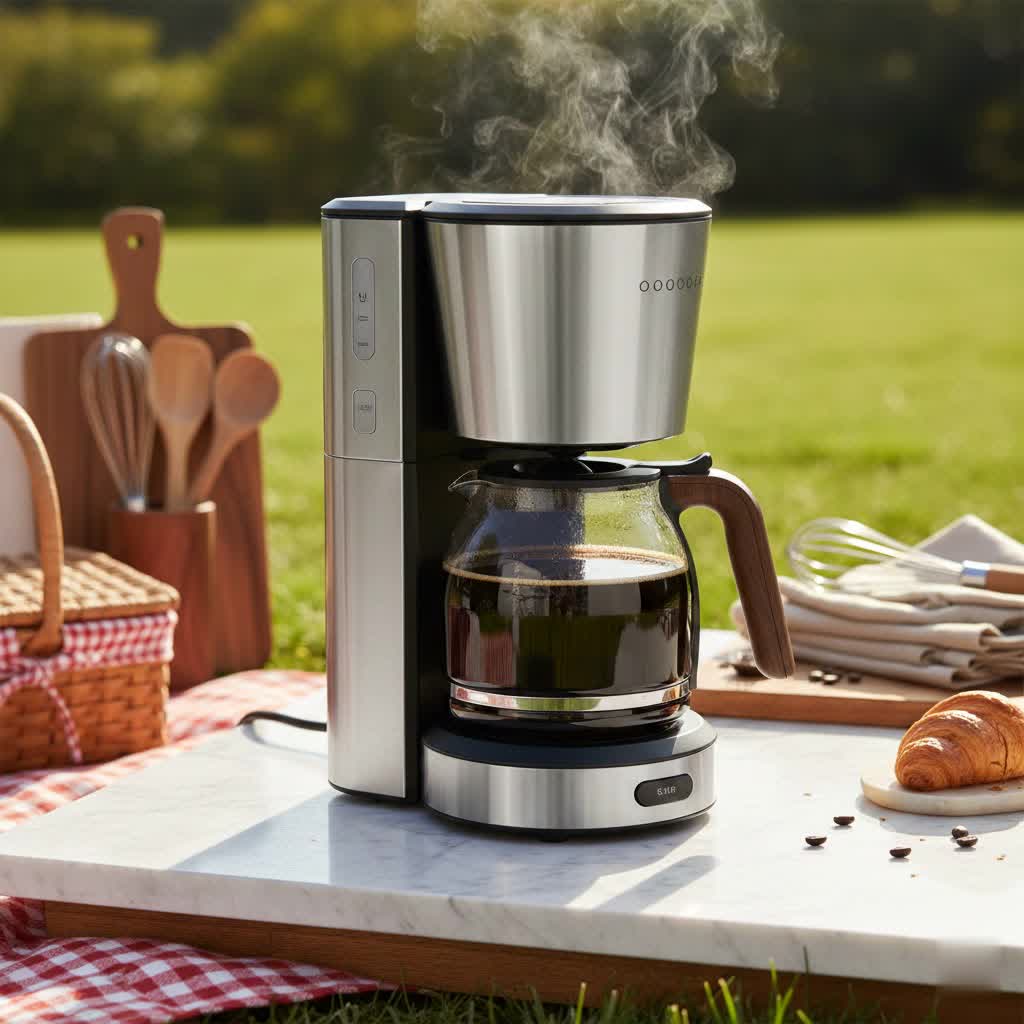
Waking up to the enticing aroma of freshly brewed coffee is a simple pleasure, but for many, busy mornings demand speed and efficiency. Enter the K-Cup coffee maker, a revolutionary device that has transformed how millions enjoy their daily cup. These single-serve brewers promise convenience and a consistent brew, making them a staple in kitchens and offices worldwide. If you’ve ever considered adding one to your countertop or are looking to upgrade, understanding their nuances is key to finding your perfect match.
Understanding K-Cup Coffee Makers
A K-Cup coffee maker is a type of single-serve brewing system predominantly known through the Keurig brand, which popularized the concept. At its core, it’s designed to brew a single cup of coffee, tea, or hot cocoa using pre-portioned, self-contained pods. This method eliminates the need for grinding beans, measuring coffee, or dealing with messy filters, delivering a hot beverage with minimal effort.
The genesis of the K-Cup brewer traces back to 1992, developed as a solution for workplaces seeking to offer employees fresh, individualized cups of coffee without the staleness often associated with traditional pot-brewed coffee. Its success in office environments quickly translated to the domestic market, leading to widespread adoption due to its unparalleled ease of use. Today, the term “K-Cup coffee maker” is often used interchangeably with “Keurig,” though many other brands now produce K-Cup compatible machines.
Modern K-Cup coffee makers come in several variations to cater to diverse preferences. The most common are basic single-serve models, ideal for individual use. However, the market also offers dual-brew machines that can brew both single cups and full carafes, perfect for households with varying needs. Additionally, specialized K-Cup makers now boast features like built-in milk frothers for lattes and cappuccinos, or “Over Ice” settings for perfectly chilled beverages, expanding their versatility beyond a simple black coffee.
Essential Factors When Buying a K-Cup Coffee Maker (Buying Guide)
Choosing the right K-Cup coffee maker involves weighing various factors to ensure it aligns with your lifestyle and coffee habits. From the type of brewer to its features, capacity, and cost, each element plays a crucial role in your overall satisfaction.
Brewer Type & Features
The first decision often revolves around the brewer’s core functionality. Do you primarily need a quick single cup, or do you occasionally brew for a crowd?
- Single-Serve vs. Dual-Brew Functionality: Single-serve K-Cup makers are straightforward, offering one cup at a time. They are ideal for individuals or small households where only one person drinks coffee, or for those who appreciate variety throughout the day. Dual-brew machines, like the Keurig K-Duo, provide the best of both worlds, allowing you to brew a single K-Cup or a full carafe of ground coffee, offering flexibility for different occasions.
- Key Features: Modern K-Cup coffee makers are equipped with a range of features designed to enhance your brewing experience:
- Brew Strength Control: Many models include options like a “Strong” button to intensify the flavor, or “MultiStream Technology” for more even coffee saturation.
- Multiple Brew Sizes: Beyond a standard 8 oz cup, machines often offer 6 oz, 10 oz, or 12 oz options to fit various mug sizes and preferences.
- Iced Coffee Settings: Specialized “Over Ice” buttons automatically adjust the brew temperature and volume for a perfect cold coffee that isn’t watered down.
- Frothers for Specialty Drinks: Integrated milk frothers in models like the Keurig K-Café SMART allow you to prepare lattes and cappuccinos with ease, turning your kitchen into a personal cafe.
- Programmability: Features like auto-on timers let you schedule your coffee to be ready when you wake up, while auto shut-off enhances energy efficiency.
|
Our Picks for the Best Coffee Maker in 2026
We may earn a commission when you use one of our links to make a purchase.
|
||
| Num | Product | Action |
|---|---|---|
| 1 | ALPHA LIVING 100 Cups Electric Coffee Urn – Stainless Steel Large Capacity Electric Kettle Percolator Coffee Pot – Ideal Hot Beverage Dispenser for Catering, Hotels, Restaurants –Leak-Proof Tap |

|
| 2 | BLACK+DECKER 12-Cup Digital Coffee Maker, Programmable, Washable Basket Filter, Sneak-A-Cup, Auto Brew, Water Window, Keep Hot Plate, Black |
|
| 3 | BLACK+DECKER CM1160W-1 CM1160W 12-Cup Programmable Coffeemaker, White/Stainless Steel |
|
| 4 | Ninja 12-Cup Programmable Coffee Brewer, 2 Brew Styles, Adjustable Warm Plate, 60oz Water Reservoir, Delay Brew - Black/Stainless Steel |
|
| 5 | Keurig K-Express Single Serve Coffee Maker – Strong Brew Option, 42oz Reservoir, Sleek Design for Holiday Hosting & Gifting, Black |
|
| 6 | Hamilton Beach 2-Way Programmable Coffee Maker, 12 Cup Glass Carafe And Single Serve Coffee Maker, Black with Stainless Steel Accents, 49980RG |
|
| 7 | Hamilton Beach 2-Way Programmable Coffee Maker, 12 Cup Glass Carafe And Single Serve Coffee Maker, White with Stainless Steel Accents, 49933 |
|
| 8 | 500ml Coffee Decanter Glass Drip Coffee Maker with Reusable Stainless Steel Filter and Grip for Home or Office |
|
| 9 | Keurig K-Classic Single Serve K-Cup Pod Coffee Maker, with 3 Brew Sizes, 48oz Removable Reservoir, Black |
|
| 10 | Keurig K-Classic Single Serve K-Cup Pod Coffee Maker, Rhubarb |
|
Capacity & Size
Consider how much coffee you drink and how much space you have available.
- Water Reservoir Size: A larger water reservoir means fewer refills, which is a significant convenience, especially for multiple daily drinkers or office settings. Smaller reservoirs are fine for occasional use or compact spaces.
- Footprint: K-Cup coffee makers range from minimalist, compact designs like the Keurig K-Mini, which is ideal for small kitchens, dorms, or travel, to larger, more feature-rich models that require more counter space. Measure your available area before committing to a machine.
Brand, Price, and Pod Compatibility
While Keurig dominates the market, other manufacturers offer K-Cup compatible brewers, and understanding the cost implications is vital.
- Leading Brands: Keurig is the most recognized name, offering a wide array of models with various features. However, brands like Cuisinart, Hamilton Beach, and Ninja also produce K-Cup compatible machines, often providing competitive features at different price points.
- Budgeting for Machine and Pods: K-Cup coffee makers can range from around $50 for basic models to several hundred dollars for advanced machines. Beyond the initial investment, consider the ongoing cost of K-Cup pods, which can be more expensive per cup than traditional ground coffee. For example, a K-Cup pod might cost around $0.50 per serving, while ground coffee can be as low as $0.30 per serving.
- K-Cup Compatibility & Reusable Pods: All genuine K-Cups are compatible with Keurig brewers, but some third-party pods may have fit issues. To save money and reduce waste, many users opt for reusable K-Cup pods, which you fill with your own ground coffee. This offers greater flexibility in coffee choice and environmental benefits, though it sacrifices some of the “no-mess” convenience.
Ease of Use & Maintenance
A key appeal of K-Cup coffee makers is their simplicity, but regular maintenance is crucial for longevity and optimal performance.
- Intuitive Controls: Look for machines with clear, easy-to-understand interfaces. One-touch brewing is a hallmark of K-Cup brewers, making them highly user-friendly.
- Cleaning Requirements: While daily cleanup is minimal (just discarding the used pod), regular maintenance, particularly descaling, is essential. Removable drip trays and water reservoirs make basic cleaning easier.
K-Cup Coffee Makers: Pros and Cons
Like any kitchen appliance, K-Cup coffee makers come with their own set of advantages and disadvantages. Understanding these can help you decide if this brewing method is right for you.
The Convenience Advantage
The primary draw of K-Cup coffee makers is their unparalleled convenience and speed. In about 60 seconds, you can have a hot cup of coffee ready, making them perfect for rushed mornings or quick coffee breaks. The single-serve format also means you brew only what you need, reducing waste from forgotten pots of coffee. Furthermore, the sheer variety of K-Cup pods available is a huge plus, offering everything from light roasts to dark roasts, flavored coffees, teas, and hot cocoas from numerous brands. This allows each household member to enjoy their preferred beverage without compromise.
The Environmental and Cost Debate
Despite their convenience, K-Cup coffee makers face significant scrutiny regarding their environmental impact and long-term cost.
“The biggest drawback of single-serve coffee makers, particularly K-Cups, is undoubtedly the environmental toll. The sheer volume of discarded plastic pods accumulating in landfills is a concern that cannot be ignored.” – Dr. Emily Thorne, Environmental Sustainability Researcher
Disposable plastic K-Cups contribute substantially to landfill waste. While Keurig has made strides in producing recyclable pods (made from #5 polypropylene plastic), proper recycling often requires users to peel off the lid and empty the grounds, which can be an extra step some overlook. The initial cost of a K-Cup coffee maker might seem reasonable, but the ongoing expense of purchasing pods can quickly add up, making it a more costly option over time compared to buying bags of whole bean or ground coffee. Heavy coffee drinkers might spend hundreds more annually on pods.
Coffee Quality and Customization
For serious coffee aficionados, the quality and customization offered by K-Cup brewers can be a point of contention. K-Cup pods often contain pre-ground coffee that may not be as fresh as recently ground beans, potentially leading to a less vibrant flavor. The brewing process, while convenient, offers less control over variables like water temperature, brew time, and extraction compared to traditional methods like pour-over or espresso machines. This can result in a coffee that some purists find less nuanced or robust. However, many newer models address this with features like “strong brew” settings and temperature control, aiming to bridge the gap in quality for the casual coffee drinker.
Top Picks: Best K-Cup Coffee Makers for Every Need
To help navigate the vast market, here are three popular K-Cup coffee makers that cater to different user needs and preferences, based on common features and user feedback.
Keurig K-Elite: The All-Rounder
The Keurig K-Elite stands out as a versatile and popular choice, offering a balanced blend of features and performance. It typically includes multiple brew sizes (4, 6, 8, 10, 12 oz), a “Strong Brew” option for a more intense cup, and an “Iced” setting for refreshing cold beverages. Its hot water on demand feature is also a convenient addition for oatmeal or instant soups. With a large 75 oz removable water reservoir, it minimizes refills, making it suitable for busy households or shared spaces. The K-Elite is a reliable option for those seeking consistency and a range of brewing options without venturing into specialty drink territory.
Keurig K-Mini: The Compact & Budget-Friendly Choice
If counter space is a premium or you need a portable brewing solution, the Keurig K-Mini is an excellent option. This ultra-slim, compact model is designed for simplicity and efficiency, brewing any cup size between 6 and 12 oz by adding fresh water for each brew. Its small footprint makes it ideal for dorm rooms, small apartments, or offices. While it foregoes advanced features like brew strength control or a large reservoir, its affordability and space-saving design make it a top pick for minimalists or those on a budget who still want the convenience of K-Cup brewing.
Keurig K-Café SMART: For the Specialty Drink Enthusiast
For users who crave cafe-style beverages at home, the Keurig K-Café SMART delivers. This model is equipped with a built-in milk frother, allowing you to create lattes and cappuccinos with ease. What sets the “SMART” version apart are its innovative features, including BrewID technology that recognizes your K-Cup pod and customizes the brew settings, and Wi-Fi connectivity for remote brewing and personalized recommendations via the Keurig app. It also offers multiple brew sizes and a “Strong Brew” option. The K-Café SMART is designed for those who want convenience paired with the ability to experiment with a wider range of coffee creations.
Maintaining Your K-Cup Coffee Maker: Tips for Longevity
Proper maintenance is crucial for ensuring your K-Cup coffee maker continues to deliver delicious coffee and enjoys a long lifespan. Regular cleaning and descaling prevent mineral buildup and blockages.
Step-by-Step Descaling Guide
Descaling removes calcium deposits (scale) that accumulate over time, which can affect heating, brewing, and taste. It should be done every 3-6 months, or more frequently if you have hard water.
- Prepare the Brewer: Empty the water reservoir and remove any water filter. Ensure no K-Cup pod is in the holder.
- Add Descaling Solution: Pour a full bottle of Keurig Descaling Solution (or two cups of white vinegar) into the reservoir, then fill the empty bottle (or two more cups) with water and add it to the reservoir.
- Perform a Cleansing Rinse: Place a large ceramic mug on the drip tray. Begin a brew cycle using the largest cup size, but without a K-Cup. Discard the hot liquid. Repeat this process until the “Add Water” light illuminates, indicating the reservoir is empty.
- Internal Tank Soak: Let the brewer stand for at least 30 minutes with the solution in its internal components.
- Fresh Water Rinse: After soaking, thoroughly rinse the reservoir with fresh water. Refill it to the MAX fill line with fresh water. Run multiple fresh water brew cycles (10-12 cycles for some models) using the largest cup size, discarding the water each time, until the descaling indicator (if present) turns off and there’s no residual solution taste or smell.
Routine Cleaning Essentials
Beyond descaling, routine cleaning helps maintain hygiene and performance.
- Exterior: Wipe down the exterior of your machine with a damp, soft cloth weekly to remove splatters and dust. Use a Q-tip dipped in vinegar for any deep crevices.
- Drip Tray: Remove and wash the drip tray and its cover regularly with warm, soapy water.
- K-Cup Pod Holder: Remove the pod holder and wash it. Use a small brush or Q-tip to clean out any coffee grounds that might accumulate in the corners.
- Needles: The entry and exit needles can get clogged with coffee grounds. Power off and unplug the machine, then carefully remove the pod holder. Use a straightened paper clip to gently clear any clogs from the needles. Rinse thoroughly before reassembling.
Troubleshooting Common Issues
- Slow Brewing or Half Cups: This often indicates clogged needles or a need for descaling. Follow the cleaning and descaling instructions.
- No Power: Check the power cord and outlet. Ensure the machine is properly plugged in.
- Water Leaks: Inspect the water reservoir for cracks or improper seating. Ensure the drip tray is correctly positioned.
Conclusion
K-Cup coffee makers offer an undeniable appeal: speed, convenience, and a vast array of beverage choices, making them a perfect fit for fast-paced lifestyles. While considerations like environmental impact and long-term pod costs are valid, the market continually evolves with solutions like reusable pods and more efficient designs. By understanding the different types, key features, and maintenance requirements, you can confidently choose a K-Cup coffee maker that not only simplifies your mornings but also delivers a consistently satisfying cup. What kind of coffee experience are you hoping to brew next?
Frequently Asked Questions
How often should I descale my K-Cup coffee maker?
It is recommended to descale your K-Cup coffee maker every 3 to 6 months. If you live in an area with hard water, or if you use your machine frequently, you may need to descale it more often to prevent mineral buildup and maintain optimal performance.
Can I use my own ground coffee in a K-Cup machine?
Yes, you can use your own ground coffee in a K-Cup machine by purchasing a reusable K-Cup filter. These accessories allow you to fill them with your preferred coffee grounds, offering more control over coffee selection and reducing single-use pod waste.
Are K-Cup pods bad for the environment?
Traditional single-use K-Cup pods contribute to plastic waste in landfills. While many K-Cup pods are now made from recyclable #5 polypropylene plastic, proper recycling often requires users to separate the lid and empty the coffee grounds. Using reusable K-Cup filters is a more environmentally friendly alternative.
What’s the best K-Cup coffee maker for strong coffee?
Many K-Cup coffee makers, like the Keurig K-Elite or K-Supreme, offer a “Strong Brew” setting designed to deliver a bolder, more intense cup of coffee. Models featuring “MultiStream Technology” also ensure more even saturation of coffee grounds for a richer flavor extraction.
Are all K-Cups compatible with all Keurig machines?
Generally, most K-Cup pods are compatible with the majority of Keurig single-serve coffee makers. However, it’s always wise to double-check the packaging for specific compatibility, especially with older Keurig models or third-party K-Cup compatible machines, to ensure a proper fit and optimal brewing.