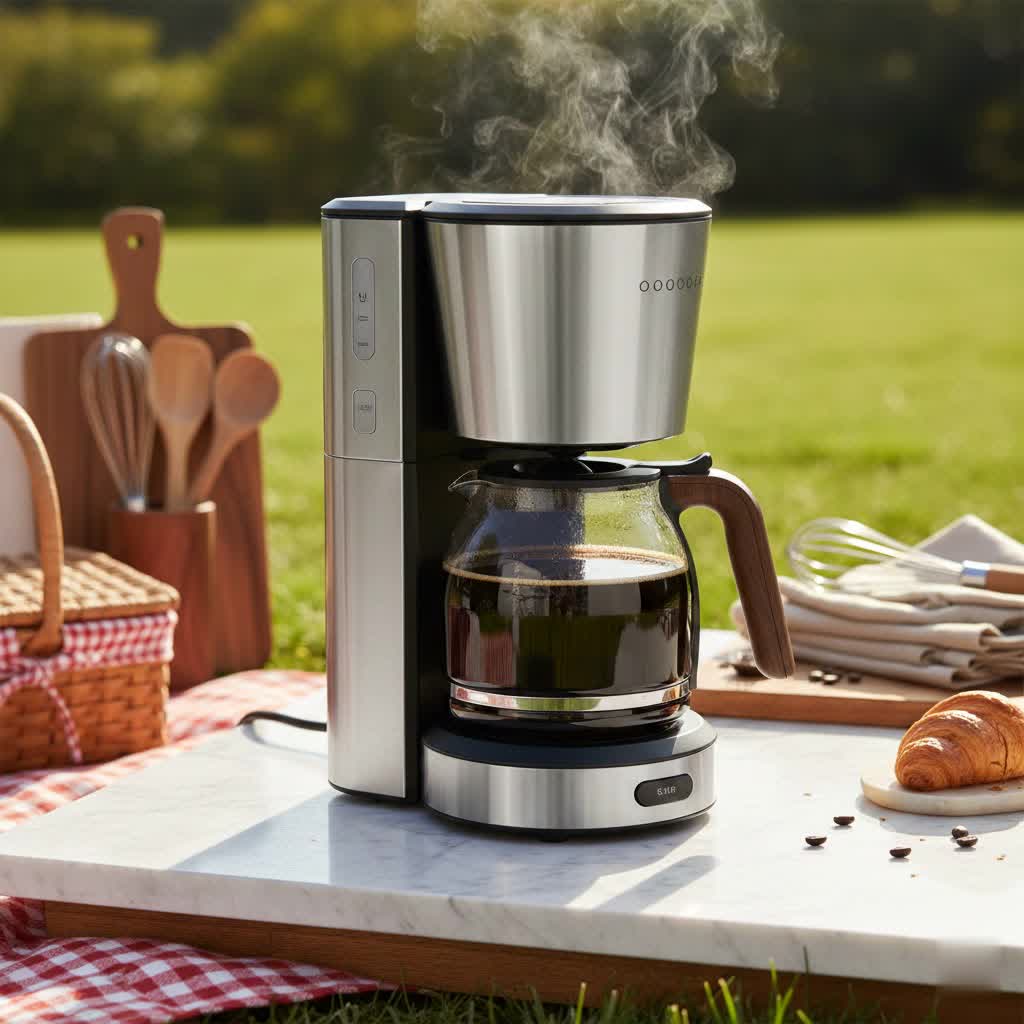
Waking up to the enticing aroma of freshly brewed coffee is a ritual many cherish, transforming a simple morning into a moment of pure bliss. But with a dizzying array of Coffee Makers on the market, finding the one that perfectly fits your lifestyle and brewing preferences can feel like navigating a complex maze. From sleek espresso machines crafting barista-quality lattes to robust drip brewers delivering consistent morning cups, the right coffee maker elevates your daily caffeine fix from a necessity to an experience. This comprehensive guide will demystify the world of coffee makers, helping you understand their types, crucial features, and top recommendations to ensure every sip is a perfect one.
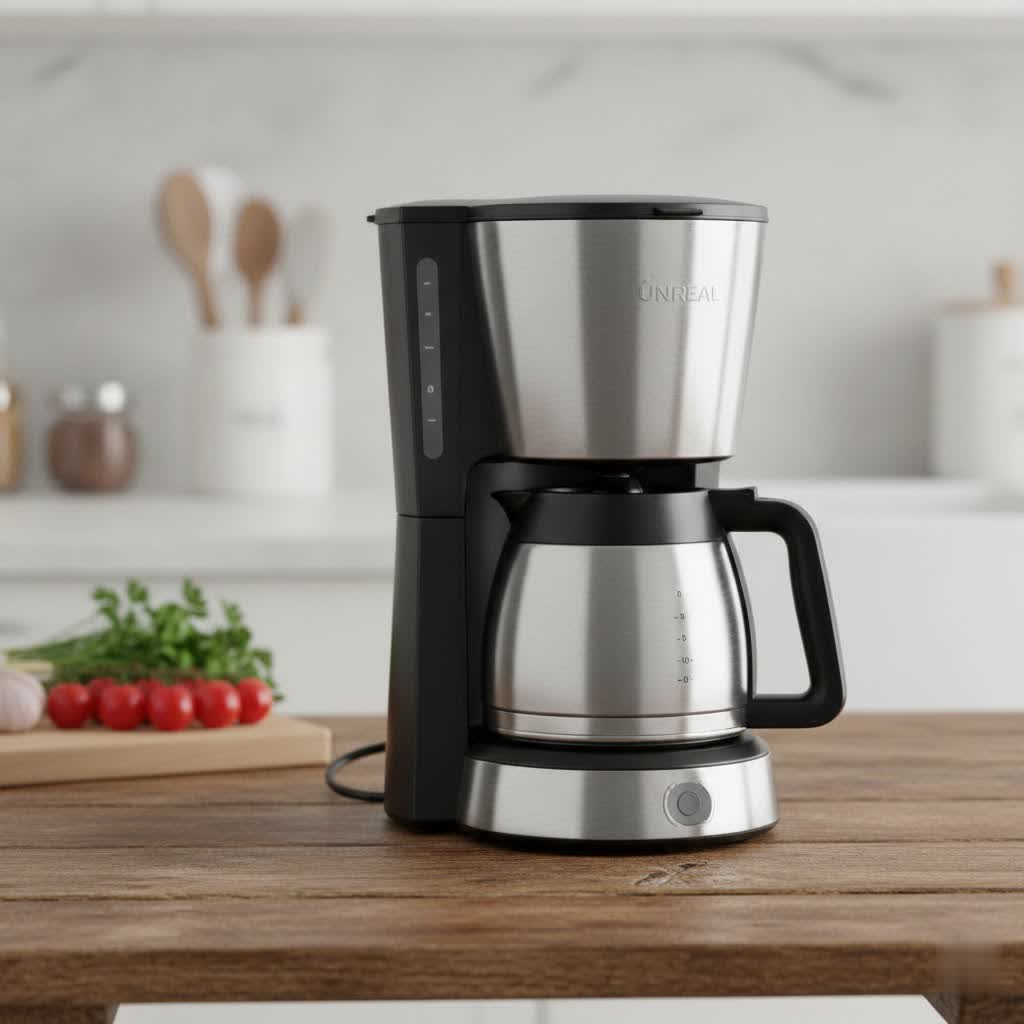
An Overview of Coffee Makers
A coffee maker is essentially a device designed to brew coffee. While the fundamental purpose remains the same—extracting flavor from coffee grounds using hot water—the methods and mechanisms have evolved dramatically over time, leading to a diverse landscape of brewing machines.
The history of coffee brewing is rich, starting with rudimentary methods like boiling ground beans in water. The late 19th and early 20th centuries saw the invention of drip coffee makers and percolators, making home brewing more accessible. The mid-20th century brought the rise of espresso machines, first for commercial use, then gradually shrinking for home kitchens. Today, innovation continues, with smart features and specialized brewers catering to every imaginable coffee desire.
Popular Types of Coffee Makers on the Market:
- Drip Coffee Makers: The most common type, offering convenience for brewing larger batches. Water is heated and dripped over coffee grounds in a filter basket, then flows into a carafe.
- Espresso Machines: Designed to force hot, pressurized water through finely ground coffee, producing a concentrated shot of espresso. These can range from manual lever machines to semi-automatic, automatic, and super-automatic models with integrated grinders and milk frothers.
- French Press: A full immersion brewing method where coarsely ground coffee steeps in hot water, then a plunger with a mesh filter separates the grounds from the coffee. It yields a rich, full-bodied brew.
- Pour-Over Coffee Makers: Requires manual pouring of hot water over coffee grounds in a cone-shaped dripper. This method offers precise control over brewing, resulting in a clean, nuanced cup.
- Pod/Capsule Machines (e.g., Nespresso, Keurig): Offer unparalleled convenience and speed, using pre-packaged coffee pods. Ideal for single servings and minimal cleanup.
- Moka Pot: A stovetop espresso maker that brews strong, concentrated coffee by passing boiling water pressurized by steam through ground coffee.
- Cold Brew Makers: Designed for steeping coffee grounds in cold water for an extended period (12-24 hours) to produce a smooth, less acidic coffee concentrate.
- Bean-to-Cup Machines: These fully automated machines grind whole beans, tamp them, brew espresso or coffee, and often froth milk, all at the touch of a button.
Factors to Consider When Buying a Coffee Maker (Buying Guide)
Choosing your ideal coffee maker involves a blend of personal preference, practical needs, and budget. Consider these key factors to make an informed decision.
Type of Coffee Maker
The first decision often revolves around the type of coffee you most enjoy and how much involvement you want in the brewing process.
- Drip Coffee Makers: Pros: Easy to use, great for serving multiple people, various programmable options. Cons: Less control over brewing variables, can “cook” coffee on hot plates. Ideal for those who value convenience and consistent, larger batches.
- Espresso Machines: Pros: Produces strong, concentrated espresso for lattes, cappuccinos, etc.; offers significant customization for enthusiasts. Cons: Higher initial cost, requires more maintenance and learning, can be time-consuming. Best for espresso lovers and those who enjoy the craft of coffee making.
- French Press: Pros: Simple to use, portable, produces a bold, full-bodied coffee with rich flavor. Cons: Leaves some sediment in the cup, requires coarser grind, not ideal for delicate flavors. Suitable for those who prefer a robust cup and don’t mind a bit of sediment.
- Pour-Over: Pros: Excellent control over brew variables, resulting in a clean, bright, and highly nuanced cup. Cons: Requires attention and specific equipment (gooseneck kettle, scale), slower brewing. Perfect for connoisseurs who appreciate subtle flavors and the brewing ritual.
- Pod/Capsule Machines: Pros: Extremely fast and convenient, minimal cleanup, wide variety of drinks. Cons: Higher cost per cup, limited coffee choices, not as environmentally friendly due to pods. Best for individuals seeking ultimate convenience and variety in single servings.
|
Our Picks for the Best Coffee Maker in 2026
We may earn a commission when you use one of our links to make a purchase.
|
||
| Num | Product | Action |
|---|---|---|
| 1 | BLACK+DECKER 12-Cup Digital Coffee Maker, Programmable, Washable Basket Filter, Sneak-A-Cup, Auto Brew, Water Window, Keep Hot Plate, Black |

|
| 2 | Keurig K-Express Single Serve Coffee Maker – Strong Brew Option, 42oz Reservoir, Sleek Design for Holiday Hosting & Gifting, Black |
|
| 3 | Ninja 12-Cup Programmable Coffee Brewer, 2 Brew Styles, Adjustable Warm Plate, 60oz Water Reservoir, Delay Brew - Black/Stainless Steel |
|
| 4 | 500ml Coffee Decanter Glass Drip Coffee Maker with Reusable Stainless Steel Filter and Grip for Home or Office |
|
| 5 | Hamilton Beach 2-Way Programmable Coffee Maker, 12 Cup Glass Carafe And Single Serve Coffee Maker, White with Stainless Steel Accents, 49933 |
|
| 6 | Keurig K-Classic Single Serve K-Cup Pod Coffee Maker, with 3 Brew Sizes, 48oz Removable Reservoir, Black |
|
| 7 | ALPHA LIVING 100 Cups Electric Coffee Urn – Stainless Steel Large Capacity Electric Kettle Percolator Coffee Pot – Ideal Hot Beverage Dispenser for Catering, Hotels, Restaurants –Leak-Proof Tap |
|
| 8 | Hamilton Beach 2-Way Programmable Coffee Maker, 12 Cup Glass Carafe And Single Serve Coffee Maker, Black with Stainless Steel Accents, 49980RG |
|
| 9 | BLACK+DECKER CM1160W-1 CM1160W 12-Cup Programmable Coffeemaker, White/Stainless Steel |
|
| 10 | Keurig K-Classic Single Serve K-Cup Pod Coffee Maker, Rhubarb |
|
Capacity
How much coffee do you typically need to brew at once? This determines the ideal capacity of your machine.
- Single-Serve: Perfect for individuals, households with varying coffee preferences, or those who only need one cup at a time. Many pod machines fall into this category, as do some pour-over setups.
- Multi-Cup: Standard drip coffee makers often brew 4, 8, or 12 cups. Remember that a “cup” in coffee maker terms is typically 5-6 ounces, not 8 ounces. Choose a larger capacity for families, entertaining guests, or if you drink multiple cups throughout the day.
Key Features
Modern coffee makers come equipped with a range of features designed to enhance convenience, control, and coffee quality.
- Programmability: Allows you to set the machine to brew at a specific time, so your coffee is ready when you wake up.
- Brew Strength Control: Offers settings to adjust the intensity of your coffee, from mild to strong.
- Temperature Control: Crucial for optimal extraction. Look for machines that can consistently heat water to 195˚ to 205˚F. The Specialty Coffee Association (SCA) certifies brewers that meet strict quality standards, including temperature stability.
- Built-in Grinder: Provides fresh grounds for every brew, a significant factor in coffee quality. While convenient, some built-in grinders may not offer the precision of standalone burr grinders.
- Milk Frother/Steam Wand: Essential for espresso lovers to create lattes, cappuccinos, and other milk-based drinks.
- Auto Shut-Off: A safety feature that turns off the machine after a period of inactivity, saving energy and preventing accidents.
- Thermal Carafe vs. Glass Carafe with Warming Plate: Thermal carafes keep coffee hot for hours without “cooking” it, preserving flavor. Warming plates, while common with glass carafes, can lead to a burnt taste if coffee sits too long.
Brand and Price
Reputable brands often signify better quality, durability, and customer support. Consider brands like Breville, OXO, Cuisinart, De’Longhi, Technivorm, and Zojirushi, which consistently receive high ratings. Prices vary widely, from under $50 for basic drip or Moka pots to several thousand for high-end super-automatic espresso machines. Balance your budget with the features and quality you desire.
Ease of Use and Cleaning
A machine that’s difficult to operate or clean can quickly detract from your coffee experience.
- User Interface: Look for intuitive controls, clear displays, and straightforward operation.
- Removable Parts: Machines with easily detachable and dishwasher-safe components simplify cleaning.
- Filter Type: Paper filters offer a cleaner cup and easy disposal, while permanent mesh filters are more eco-friendly but require thorough cleaning to prevent oil buildup.
- Maintenance Alerts: Some machines notify you when descaling or cleaning is needed. Regular descaling (every 3-4 months, or more for daily use) is vital to remove mineral buildup and maintain performance.
Comparing Popular Coffee Maker Types
Here’s a simplified comparison of popular coffee maker types to help highlight their differences:
| Feature | Drip Coffee Maker | Espresso Machine (Automatic) | French Press | Pour-Over | Pod Machine (e.g., Nespresso) |
|---|---|---|---|---|---|
| Price Range | $30 – $300 | $400 – $2,000+ | $20 – $100 | $20 – $150 (dripper only) | $80 – $300 |
| Ease of Use | Very Easy | Easy (one-touch) | Moderate | High (requires technique) | Very Easy (insert pod, press button) |
| Coffee Type | Standard brewed coffee | Espresso, milk-based drinks | Full-bodied, rich coffee | Clean, nuanced coffee | Brewed coffee, espresso |
| Customization | Limited (strength, programmability) | High (grind, shot volume, milk foam) | Moderate (steep time, grind) | Very High (water temp, flow rate, grind) | Limited (brew size, pod choice) |
| Cleaning | Moderate (carafe daily, descaling) | Moderate to High (daily rinses, descaling) | Moderate (rinse daily) | Easy (rinse dripper) | Very Easy (dispose pod, wipe) |
| Best For | Daily brewing, large quantities | Espresso lovers, convenience | Bold coffee drinkers | Coffee enthusiasts, precise brewing | Convenience, variety, single-serve |
Top Picks: Best Coffee Makers Today
Based on expert testing and widespread acclaim, here are some top recommendations across different categories:
Best Drip Coffee Maker: Ratio Six Coffee Maker
The Ratio Six Coffee Maker stands out for its elegant design and exceptional brewing performance. It consistently brews at optimal temperatures around 200˚F and features a showerhead that evenly saturates coffee grounds, mimicking the precision of a pour-over. Its simple one-button operation makes it remarkably user-friendly, and its thermal carafe keeps coffee piping hot.
Best Espresso Machine for Most: Breville Bambino Plus Espresso Machine
For those entering the world of espresso, the Breville Bambino Plus Espresso Machine offers a fantastic balance of speed, performance, and user-friendliness. It heats up in just three seconds, features pre-infusion for better shot extraction, and includes an automatic steam wand with adjustable temperature and foam settings, making delicious lattes and cappuccinos accessible to beginners.
Best Affordable Coffee Maker: Zojirushi Dome Programmable Coffee Maker
Proving that quality coffee doesn’t have to break the bank, the Zojirushi Dome Programmable Coffee Maker consistently brews hot, flavorful coffee right around the 200˚F mark, outperforming many pricier alternatives. It offers programmable settings and an iced coffee function, making it a versatile and budget-friendly choice for excellent daily brews.
How to Use and Maintain Your Coffee Maker
To ensure your coffee maker consistently delivers delicious coffee and stands the test of time, proper usage and maintenance are key.
Proper Usage Tips:
- Use Fresh, Quality Beans: Always start with freshly roasted, whole coffee beans and grind them just before brewing. A burr grinder (rather than a blade grinder) is recommended for a consistent grind size.
- Optimal Grind Size: For most automatic drip machines, a medium-coarse grind, similar to kosher salt, is ideal. Adjust finer for espresso, coarser for French press.
- Cold, Filtered Water: Coffee is mostly water, so its quality matters. Use cold, filtered water to avoid off-flavors and mineral buildup.
- Accurate Measurements: Ditch the scoops! Use a digital scale to weigh your coffee grounds and water for precise and consistent results. A common ratio is 20 grams of coffee to 320 grams of water for a balanced cup.
- Avoid Hot Plates: If your drip coffee maker has a warming plate, transfer brewed coffee to a thermal carafe or drink it promptly to prevent it from developing a bitter, “burnt” taste.
Maintenance Tips:
- Daily Cleaning: Wash the carafe, filter basket, and any removable parts daily after use to prevent old coffee residue and oil buildup.
- Regular Descaling: Mineral deposits from water can clog your machine and affect performance. Descale your coffee maker every 3-4 months, or more frequently if you have hard water or use it daily. Use a commercial descaling solution or a 50/50 mixture of white vinegar and water.
- Wipe Down Exterior: Keep the exterior clean with a damp cloth to remove spills and smudges.
- Check Filters: Replace paper filters after each use or thoroughly clean permanent filters to avoid blockages and off-flavors.
Common Issues and How to Address Them:
- Weak Coffee: Ensure proper coffee-to-water ratio, use a finer grind, or check if the water temperature is too low (should be 195-205°F).
- Bitter Coffee: Could be over-extraction (too fine a grind, too long brew time), water too hot, or coffee sitting on a warming plate too long.
- Slow Brewing/Clogging: Often a sign of mineral buildup; time for descaling. Also check for coffee ground blockages.
Conclusion
The journey to finding your perfect coffee maker is a rewarding one, leading to countless moments of coffee enjoyment. Whether you prioritize the speed of a pod machine, the convenience of a programmable drip brewer, or the artistry of an espresso maker, there’s a machine out there designed to meet your specific needs. By understanding the different types, key features, and essential maintenance practices, you can confidently select a coffee maker that not only brews exceptional coffee but also enhances your daily routine. So, what kind of coffee experience are you hoping to create in your own home?
Câu Hỏi Thường Gặp
Is there a real difference between drip coffee makers?
Yes, there absolutely is a difference! High-quality drip coffee makers are distinguished by their ability to consistently brew within the optimal temperature range of 195˚ to 205˚F and by having showerheads that evenly saturate coffee grounds. These factors significantly impact the flavor and quality of your brewed coffee, ensuring a balanced extraction and a delicious cup.
What’s the best coffee maker for strong coffee?
To brew stronger coffee, you can adjust your coffee-to-water ratio by using more grounds, or by grinding your beans finer to increase extraction. Some coffee makers, particularly single-serve models like certain Keurig machines, also offer a “strong brew” mode that aims to intensify the flavor profile.
How often should I clean my coffee maker?
It’s recommended to clean your coffee maker’s carafe and filter basket daily after use. For a deeper clean and to remove mineral buildup, you should descale your machine every 3-4 months, or even more frequently if you use it daily or live in an area with hard water. Regular cleaning prevents residue from affecting your coffee’s taste and extends the lifespan of your machine.