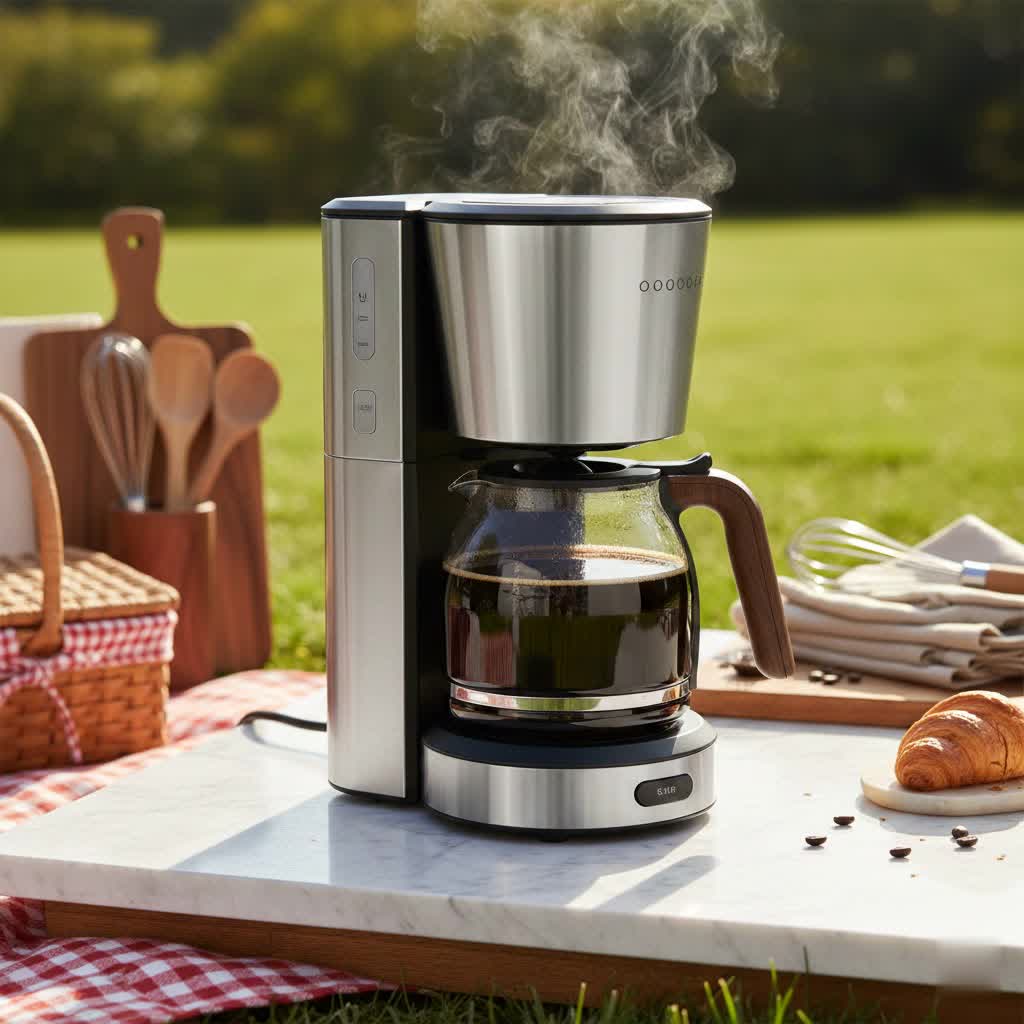
The enticing aroma of freshly brewed coffee is a daily ritual for many, a comforting start to the morning or a much-needed afternoon boost. Yet, stepping into the world of coffee maker machines can feel overwhelming with the sheer number of options available. From sleek espresso machines to simple drip brewers, finding the perfect companion for your kitchen countertop requires understanding your needs and preferences. This comprehensive guide will simplify your search, helping you choose the best home coffee maker machine to elevate your daily coffee experience.
Overview of Coffee Maker Machines
A coffee maker machine is an appliance designed to brew coffee from ground beans and hot water. While the core function remains the same, the method and resulting beverage can vary dramatically. The history of coffee brewing has evolved from basic stovetop pots to sophisticated automated systems, continuously innovating to meet diverse tastes and demands.
Today, the market offers a wide array of popular types, each with unique characteristics:
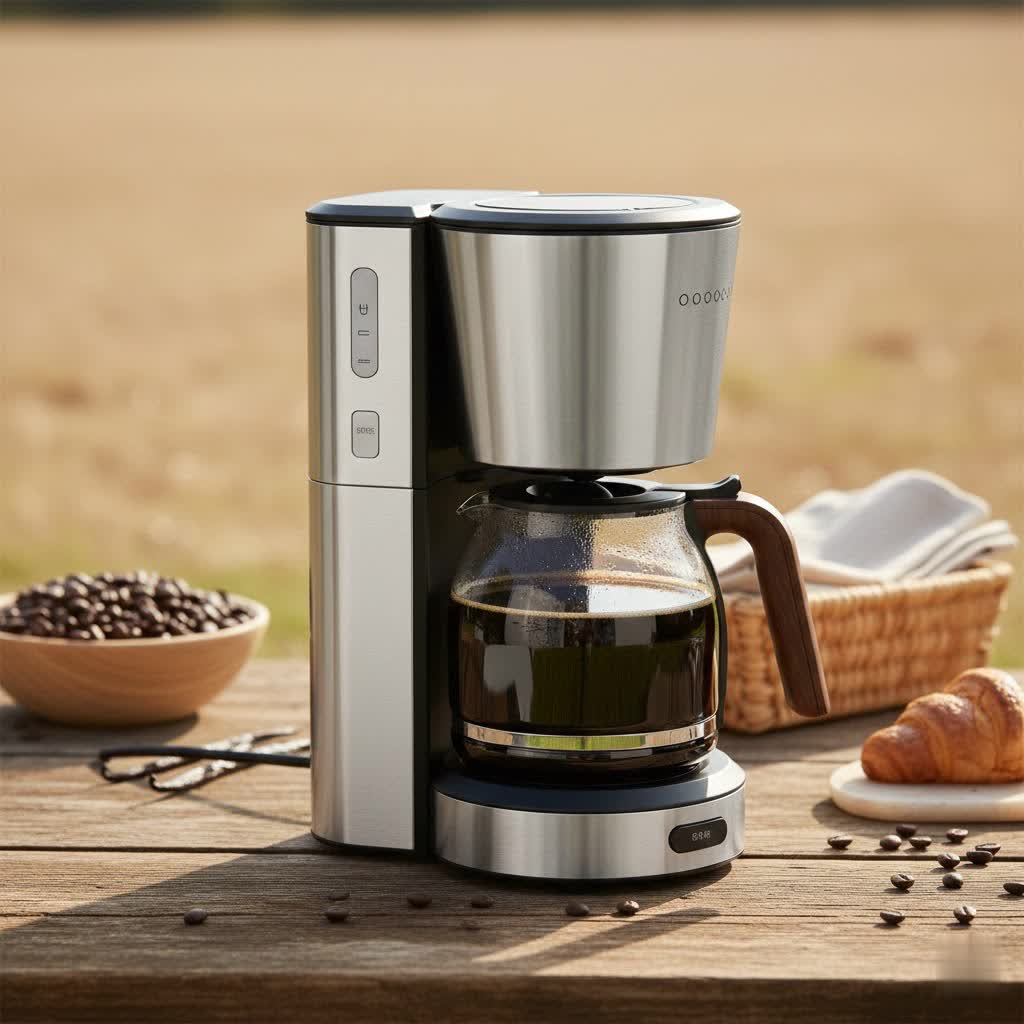
- Drip Coffee Makers: These automatic machines are perhaps the most common, known for their ease of use and ability to brew larger quantities. Hot water drips over ground coffee held in a filter, collecting in a carafe below.
- Espresso Machines: Ranging from manual to super-automatic, espresso machines force hot, pressurized water through finely-ground coffee to produce concentrated shots of espresso. These are essential for crafting lattes, cappuccinos, and other milk-based drinks.
- French Press: A non-electric method where coarse-ground coffee is steeped in hot water, then pressed down with a plunger and mesh filter, yielding a rich, full-bodied brew.
- Pour-Over: A manual method that emphasizes precision, where hot water is slowly poured over coffee grounds in a cone filter, allowing for meticulous control over extraction.
- Single-Serve Coffee Makers: These convenient machines, often using pods or capsules (like Nespresso or Keurig), brew one cup at a time quickly and with minimal cleanup.
- Cold Brew Makers: Designed for steeping coffee grounds in cold water over an extended period, producing a smooth, less acidic coffee concentrate.
- Moka Pot: A stovetop espresso maker that brews coffee by passing boiling water pressurized by steam through ground coffee, producing a strong, espresso-like beverage.
Factors to Consider When Buying a Home Coffee Maker Machine
Choosing the best home coffee maker machine involves a thoughtful assessment of your coffee habits, desired features, and budget. Understanding these key factors will guide you toward a selection that perfectly fits your lifestyle.
Coffee Maker Type
The type of coffee maker you choose significantly impacts the flavor profile and brewing experience.
- Drip Coffee Makers offer familiarity and convenience, ideal for those who prefer a classic cup of black coffee or need to brew for multiple people. They are generally easy to operate and can brew large batches. However, they are not suited for single cups and some models may not reach optimal brewing temperatures.
- Espresso Machines are perfect for enthusiasts of lattes, cappuccinos, and other espresso-based beverages. Manual machines offer ultimate control but require skill, while super-automatic machines provide a one-touch barista experience. The trade-off is often cost and countertop space.
- French Press machines deliver a rich, full-bodied coffee with excellent taste control over grind size, brew time, and strength. They are affordable and easy to use, making them a favorite for those prioritizing flavor.
- Pour-Over brewers appeal to those who enjoy a hands-on approach and appreciate nuanced flavors. They offer high customization but demand more attention and time.
- Single-Serve Machines excel in speed and convenience, perfect for busy individuals or households with varied coffee preferences. The primary downsides can be higher ongoing pod costs and environmental waste.
|
Our Picks for the Best Coffee Maker in 2026
We may earn a commission when you use one of our links to make a purchase.
|
||
| Num | Product | Action |
|---|---|---|
| 1 | Hamilton Beach 2-Way Programmable Coffee Maker, 12 Cup Glass Carafe And Single Serve Coffee Maker, White with Stainless Steel Accents, 49933 |

|
| 2 | BLACK+DECKER 12-Cup Digital Coffee Maker, Programmable, Washable Basket Filter, Sneak-A-Cup, Auto Brew, Water Window, Keep Hot Plate, Black |
|
| 3 | BLACK+DECKER CM1160W-1 CM1160W 12-Cup Programmable Coffeemaker, White/Stainless Steel |
|
| 4 | Ninja 12-Cup Programmable Coffee Brewer, 2 Brew Styles, Adjustable Warm Plate, 60oz Water Reservoir, Delay Brew - Black/Stainless Steel |
|
| 5 | Hamilton Beach 2-Way Programmable Coffee Maker, 12 Cup Glass Carafe And Single Serve Coffee Maker, Black with Stainless Steel Accents, 49980RG |
|
| 6 | Keurig K-Express Single Serve Coffee Maker – Strong Brew Option, 42oz Reservoir, Sleek Design for Holiday Hosting & Gifting, Black |
|
| 7 | Keurig K-Classic Single Serve K-Cup Pod Coffee Maker, with 3 Brew Sizes, 48oz Removable Reservoir, Black |
|
| 8 | 500ml Coffee Decanter Glass Drip Coffee Maker with Reusable Stainless Steel Filter and Grip for Home or Office |
|
| 9 | Keurig K-Classic Single Serve K-Cup Pod Coffee Maker, Rhubarb |
|
| 10 | ALPHA LIVING 100 Cups Electric Coffee Urn – Stainless Steel Large Capacity Electric Kettle Percolator Coffee Pot – Ideal Hot Beverage Dispenser for Catering, Hotels, Restaurants –Leak-Proof Tap |
|
Consider your daily routine: Do you crave a quick, simple cup, or do you enjoy the ritual of crafting a perfect brew?
Capacity
How much coffee do you typically consume, and for how many people?
- If you’re a solo coffee drinker, a single-serve machine or a small drip brewer (2-4 cups) might suffice.
- For couples or small families, a 6-10 cup drip coffee maker or a larger French press is often ideal.
- If you frequently entertain or have a household of heavy coffee drinkers, a 12-14 cup programmable drip machine or an espresso machine with a larger water reservoir would be more practical.
Matching the capacity to your usage prevents waste and ensures you always have enough coffee on hand.
Features
Modern coffee maker machines come with a host of features designed to enhance convenience and customize your brew.
- Programmable Settings: Features like a brew timer allow you to wake up to a fresh pot of coffee, while auto shut-off promotes safety and energy saving.
- Brew Strength Control: This option lets you adjust the intensity of your coffee, catering to different preferences.
- Built-in Grinder: Some high-end machines include integrated burr grinders, ensuring the freshest coffee by grinding beans just before brewing. While convenient, these can increase the machine’s overall cost and complexity.
- Thermal Carafe vs. Glass Carafe: A thermal carafe keeps coffee hot for hours without a heating element, preventing the coffee from becoming bitter or “cooked.” Glass carafes often sit on hot plates, which can degrade coffee flavor over time.
- Milk Frother: Essential for espresso lovers, many espresso machines and some single-serve models come with integrated or attached milk frothers for lattes and cappuccinos.
- SCA Certification: Look for coffee maker machines certified by the Specialty Coffee Association (SCA). This certification ensures the machine can brew coffee within the “Golden Cup” standard, typically maintaining water temperatures between 195°F and 205°F for optimal extraction.
Brand and Price
Reputable brands often signify better quality, durability, and customer support. Brands frequently praised in reviews include Breville, OXO, Technivorm Moccamaster, Fellow, Nespresso, and Mr. Coffee.
The price of coffee maker machines varies widely, from under $50 for basic drip or French press models to several thousand dollars for high-end super-automatic espresso machines. A good rule of thumb is to invest in the best quality you can afford, as cheaper machines may compromise on build materials, thermal design, and longevity. A well-made, simple coffee maker machine will always outperform a cheap, feature-rich one.
Ease of Use and Cleaning
A coffee maker machine that is simple to operate and easy to clean will undoubtedly enhance your daily experience. Consider models with:
- Intuitive Controls: Clear buttons, touchscreens, or simple dials.
- Removable Parts: Components like brew baskets, water reservoirs, and carafes that can be easily detached for washing.
- Descaling Indicators: Some machines alert you when it’s time for descaling, a crucial maintenance step to remove mineral buildup.
Comparing Popular Home Coffee Maker Machines
To further guide your decision, here’s a look at some top-rated coffee maker machines across different categories, offering a blend of performance, features, and value.
Drip Coffee Makers: The Everyday Essential
- Fellow Aiden Precision Coffee Maker: This machine is praised for its attractive design, precise brewing capabilities, and excellent temperature stability. It offers bespoke brewing guidance and a sealed, steam-free brewing chamber, although its interface can be a bit finicky. Ideal for those who appreciate both aesthetics and a meticulously brewed drip coffee.
- OXO Brew 8-Cup Coffee Maker: Often cited as a best overall choice, this compact machine delivers consistent performance and superior heat retention with its thermal carafe. It’s user-friendly and brews a delicious cup, making it a reliable workhorse for many homes.
- Technivorm Moccamaster KBGV Select: An iconic choice, the Moccamaster is handmade in the Netherlands and known for its straightforward controls, innovative technology, and quick brewing. It’s SCA certified, ensuring optimal brewing temperatures, and built for impressive durability, often coming with a long warranty.
Espresso Machines: For the Barista at Home
- Breville Bambino Plus: This is an excellent entry-level espresso machine that punches above its weight. It makes great espresso with groundbreaking automatic steaming technology that delivers latte art-worthy microfoam, all in a super compact design. It lacks a built-in grinder, so consider pairing it with a quality burr grinder.
- De’Longhi La Specialista Touch: A smart and high-performance semi-automatic espresso machine compact enough for small kitchens. It features a responsive touchscreen that guides users through grinding and brewing, offering both automatic features and manual control for those who want to refine their barista skills.
Single-Serve and Versatile Options
- Nespresso Vertuo Lattissima: For ultimate single-serve convenience, this machine makes a wide range of coffee and espresso drinks with ease. It features a separate milk dispenser for fantastic milk steaming and is generally easy to use and clean, though the pods can be pricey.
> “The secret to a consistently great cup of coffee at home isn’t just about having a good machine; it’s about understanding how your chosen brewer interacts with your beans and water. Precision in measurement and temperature is paramount.” – John Smith, Master Roaster & Coffee Equipment Specialist
How to Use and Maintain Your Home Coffee Maker Machine
Investing in a quality coffee maker machine is just the first step. Proper usage and consistent maintenance are crucial for ensuring it delivers delicious coffee consistently and stands the test of time.
Proper Usage for Optimal Flavor
To get the best out of your home coffee maker machine, pay attention to these details:
- Freshly Ground Beans: Always grind your coffee beans just before brewing. Pre-ground coffee loses its flavor quickly. For most drip coffee makers, a medium-coarse grind, similar to coarse sea salt, is recommended. Espresso machines require a much finer grind.
- Accurate Coffee-to-Water Ratio: Inconsistent measurements lead to inconsistent results. For drip coffee, a general recommendation is 20 grams of coffee to 320 grams of water per cup. Using a digital scale to weigh both coffee and water will dramatically improve consistency and flavor.
- Optimal Brewing Temperature: Ensure your coffee maker machine brews water between 195°F and 205°F. This is the ideal range for extracting the best flavors from the coffee grounds without over-extraction (leading to bitterness) or under-extraction (leading to weak, sour coffee). SCA-certified brewers are designed to meet this standard.
- Avoid Hot Plates: If your coffee maker machine has a glass carafe and a hot plate, transfer brewed coffee to a thermal carafe or serve immediately. Continuous heating on a hot plate can “cook” the coffee, making it taste bitter and stale.
Essential Maintenance Tips
Regular cleaning and maintenance prevent mineral buildup and coffee oil residue, which can affect taste and machine performance.
- Daily Cleaning: After each use, empty and rinse the carafe and filter basket with warm, soapy water. This prevents coffee oils and residue from drying and forming stubborn buildup that can taint your next brew.
- Weekly/Monthly Cleaning: Depending on usage, hand wash all removable components (water reservoir, brew basket, carafe) with warm, soapy water. Use a damp cloth to wipe down non-removable internal components, especially the showerhead and lid, where residue can accumulate. Running a hot water cycle (without coffee) monthly can also help rinse internal pathways.
- Regular Descaling: Mineral deposits (limescale) from water can accumulate in your coffee maker machine’s heating elements and pipes, affecting performance and taste. Most manufacturers recommend descaling every 1 to 6 months. If you have hard water, descale more frequently. You can use a manufacturer-recommended descaling solution or a mixture of equal parts white vinegar and water. Run the solution through a brew cycle, then follow with several cycles of clean water to rinse thoroughly.
- Steam Wand Maintenance: For espresso machines with a steam wand, wipe it immediately after each use with a damp cloth and purge a small amount of steam to clear any milk residue. Weekly soaking in a milk system cleaner maintains hygiene and performance.
- Turn Off Your Machine: When not in use, turn off your coffee maker machine. This helps conserve energy and can contribute to the longevity of the appliance.
Common Issues and Troubleshooting
Many common issues with coffee maker machines stem from lack of maintenance or improper usage. If your coffee tastes weak, it might be due to incorrect grind size, an insufficient coffee-to-water ratio, or water not reaching optimal brewing temperature. A bitter taste often points to over-extraction, possibly from too fine a grind, too long a brew time, or coffee sitting on a hot plate. Regular descaling can resolve slow brewing or strange noises caused by mineral buildup.
Conclusion
Choosing the best home coffee maker machine is an exciting journey toward enjoying exceptional coffee in the comfort of your kitchen. By considering the various types, understanding essential features like capacity and temperature control, and committing to proper usage and maintenance, you can find a machine that perfectly suits your preferences and consistently delivers delightful brews. A well-chosen and cared-for coffee maker machine is more than an appliance; it’s an investment in daily moments of joy and flavor.
What kind of coffee ritual are you hoping to create with your next coffee maker machine?
Frequently Asked Questions
What is the ideal brewing temperature for coffee?
For optimal extraction and flavor, coffee should be brewed with water between 195°F and 205°F (90°C and 96°C). Machines certified by the Specialty Coffee Association (SCA) meet this “Golden Cup” standard, ensuring a consistently delicious brew.
How often should I descale my coffee maker machine?
Descaling frequency depends on your water hardness and usage. Generally, it’s recommended every 1 to 3 months for hard water areas and every 3 to 6 months for softer water. Regular descaling prevents mineral buildup, which can affect machine performance and coffee taste.
Are integrated grinders worth it in a coffee maker machine?
Integrated grinders offer the convenience of freshly ground coffee with every brew, which significantly enhances flavor. While they can increase the overall cost and complexity of the machine, for those prioritizing freshness and a streamlined brewing process, an integrated burr grinder can be a valuable feature.
What’s the difference between a thermal and glass carafe?
A thermal carafe is insulated to keep coffee hot for several hours without needing a heating element, which prevents the coffee from developing a burnt or bitter taste. A glass carafe typically sits on a hot plate, which can degrade the coffee’s flavor over time due to prolonged heating.
Can I use pre-ground coffee in any coffee maker machine?
While you can use pre-ground coffee in most coffee maker machines, it’s best to use freshly ground beans for superior flavor. If using pre-ground coffee, ensure it’s the correct grind size for your machine (e.g., medium-coarse for drip) and store it in an airtight container to preserve freshness as much as possible.